Attractions — Tokyo Metropolis

Attraction
Tokyo Fuji Art Museum
Tokyo Fuji Art Museum
The Tokyo Fuji Art Museum offers a diverse collection, with a focus on Western art and frequently changing special exhibitions that draw visitors. Reviewers praise its quiet atmosphere, clean facilities, and the quality of its temporary shows, making it a pleasant cultural escape from the city's bustle.

Attraction
Tamarokuto Science Center
Tamarokuto Science Center
The Tamarokuto Science Center offers a range of interactive exhibits and a planetarium, making it a popular destination for families. Visitors appreciate its kid-friendly atmosphere and hands-on learning opportunities, though some experiences may require advance booking.
Attraction
Okutama Mukashimichi
Okutama Mukashimichi
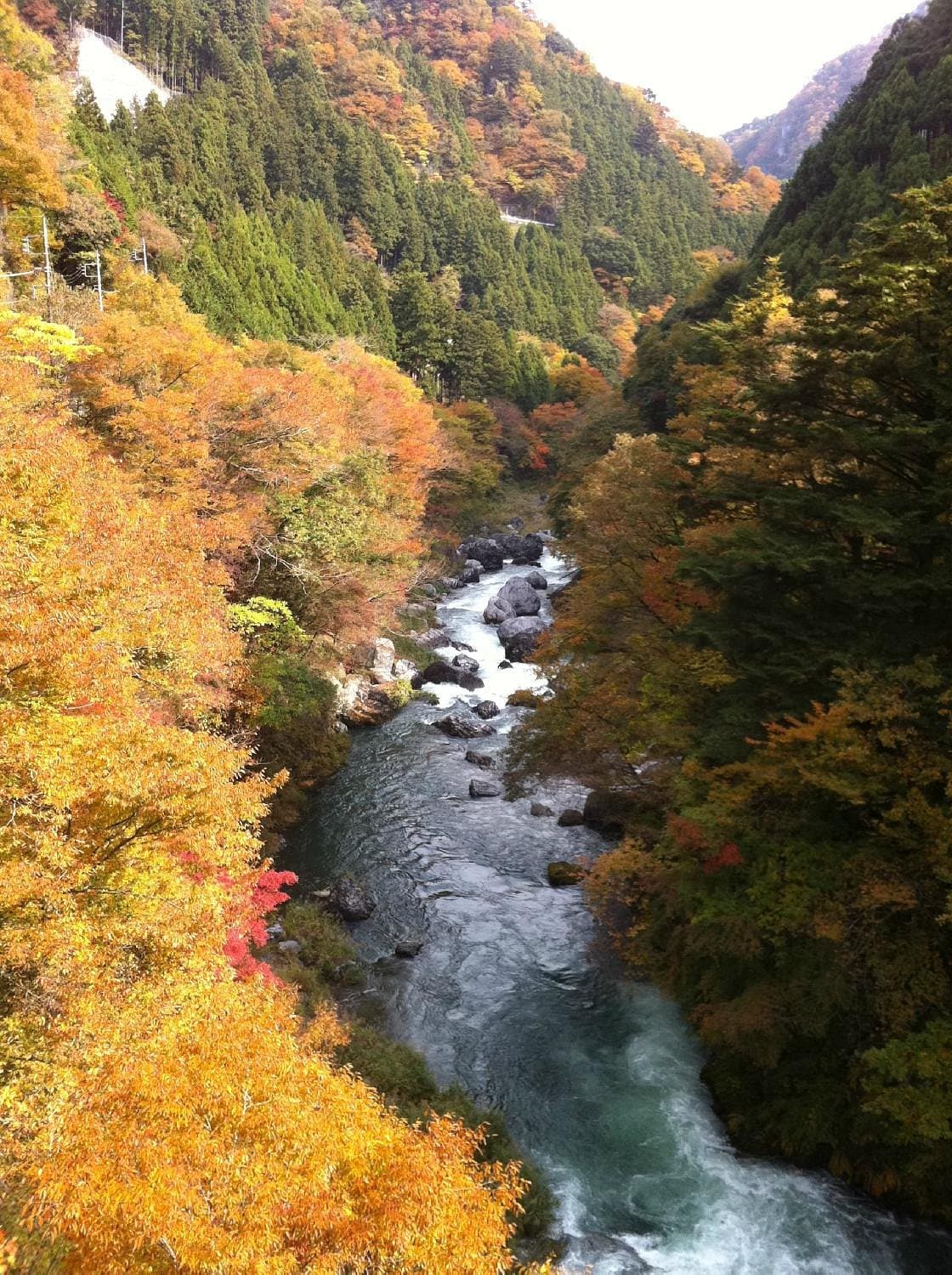
The Okutama Mukashimichi offers a scenic escape from Tokyo, allowing visitors to walk or cycle along a historical path from Okutama to Okutama Lake. Reviewers highlight the blend of natural beauty and the unique experience of discovering an abandoned railway line amidst the tranquil landscape.

Attraction
Tanashi Shrine
Tanashi Shrine
Tanashi Shrine is a unique spiritual site known for its connection to the Five Dragons and their associated divine virtues. Visitors often come to experience its tranquil atmosphere and seek blessings, especially during holidays when it can become quite busy.

Attraction
Uramiga Falls
Uramiga Falls
Uramiga Falls on Hachijo-jima offers a distinctive opportunity to walk behind the cascading water, creating a misty, immersive experience. Visitors appreciate the lush, ancient forest surroundings, which can appear mystical in fog or vibrant under sunshine.
Attraction
Sakuragaoka Park
Sakuragaoka Park
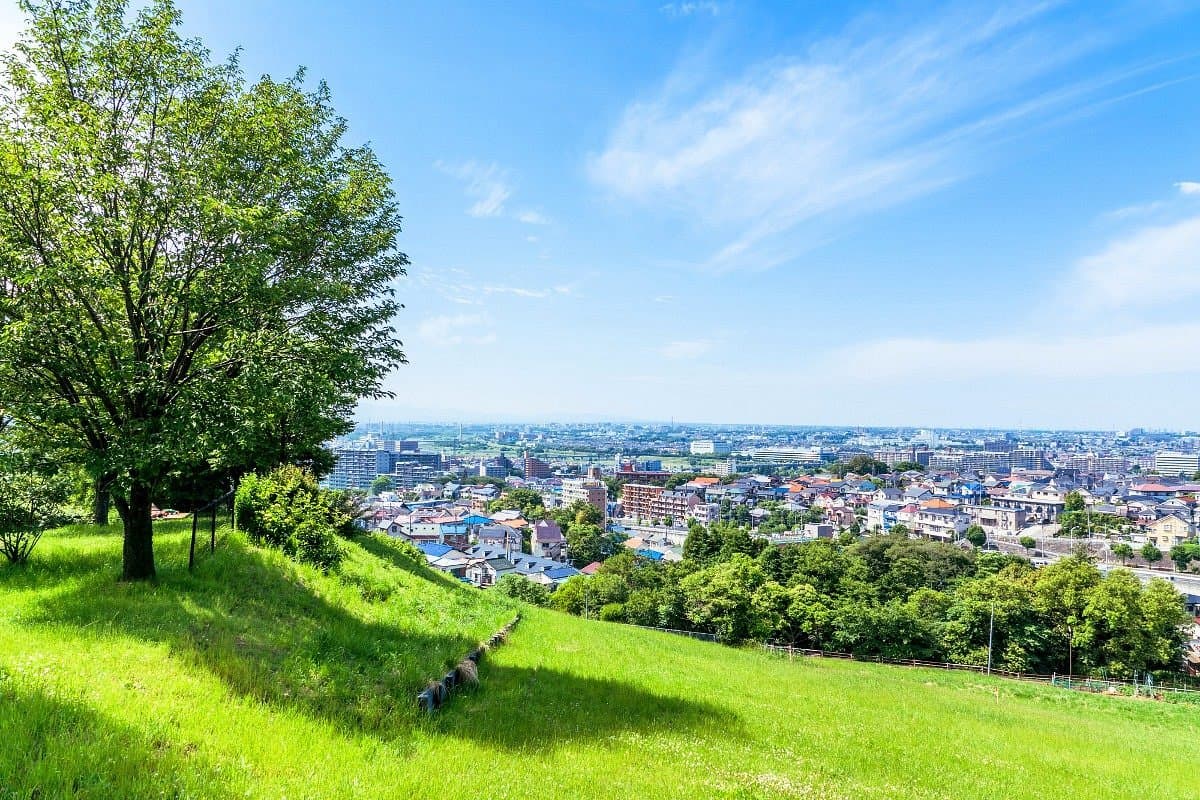
Sakuragaoka Park offers a peaceful retreat with extensive footpaths and woodland trails, ideal for quiet walks amidst nature. Visitors appreciate its serene atmosphere, abundant birdsong, and vibrant autumn foliage, making it a pleasant escape from city life.
Attraction
Nihonbashi
Nihonbashi · 日本橋 · Nihombashi
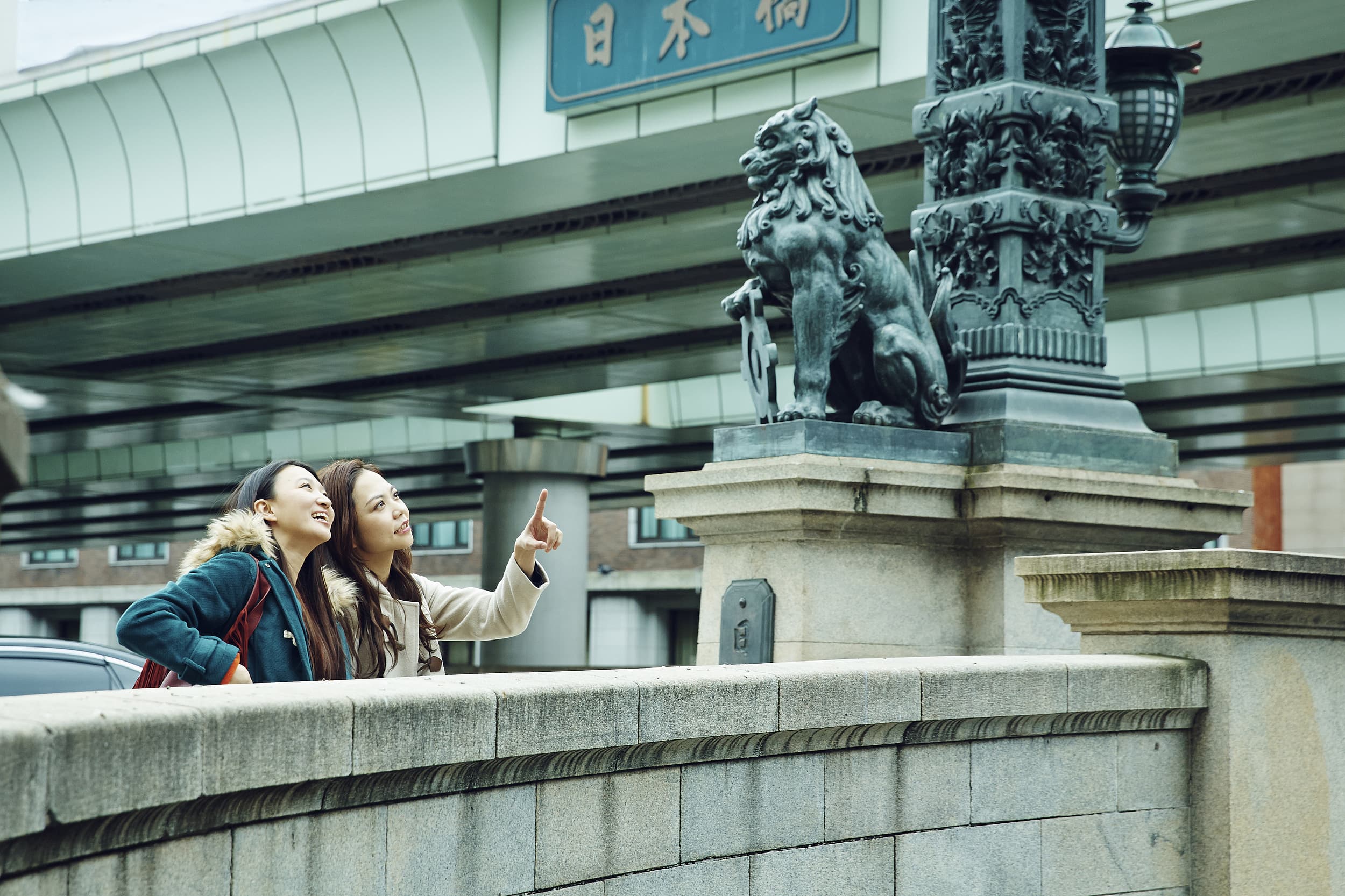
Nihonbashi is a historic bridge and district in Tokyo, known as the kilometer zero marker for Japan's national highway network. Visitors appreciate its unique blend of Japanese and Western architectural styles, particularly the iconic Kirin statues, and its significance as a former commercial and financial hub.
Attraction
Kodaira Furusatovillage
Kodaira Furusatovillage
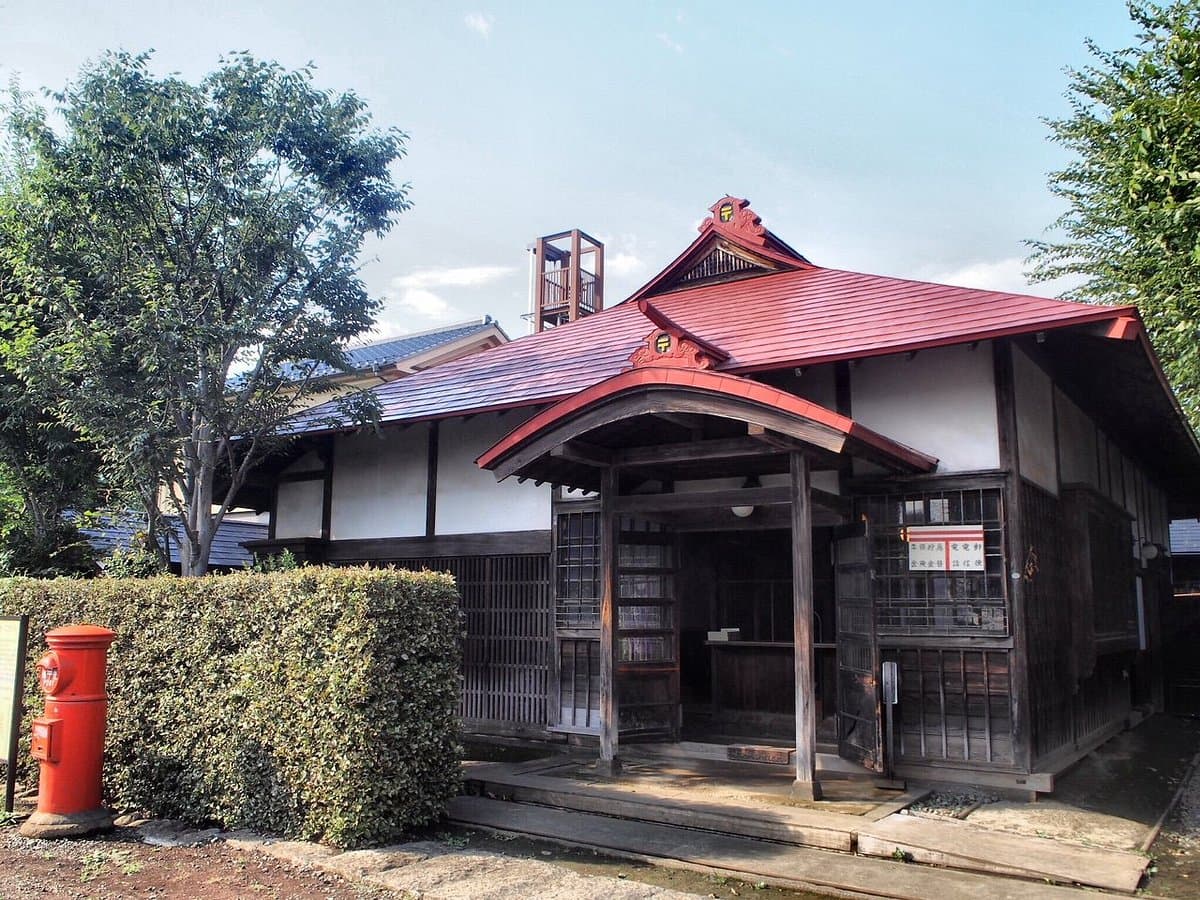
Kodaira Furusato Village provides a tranquil escape, showcasing traditional Japanese farmhouses and a watermill. Visitors appreciate the opportunity to experience local culture, often participating in workshops or enjoying the peaceful, well-maintained grounds.
Attraction
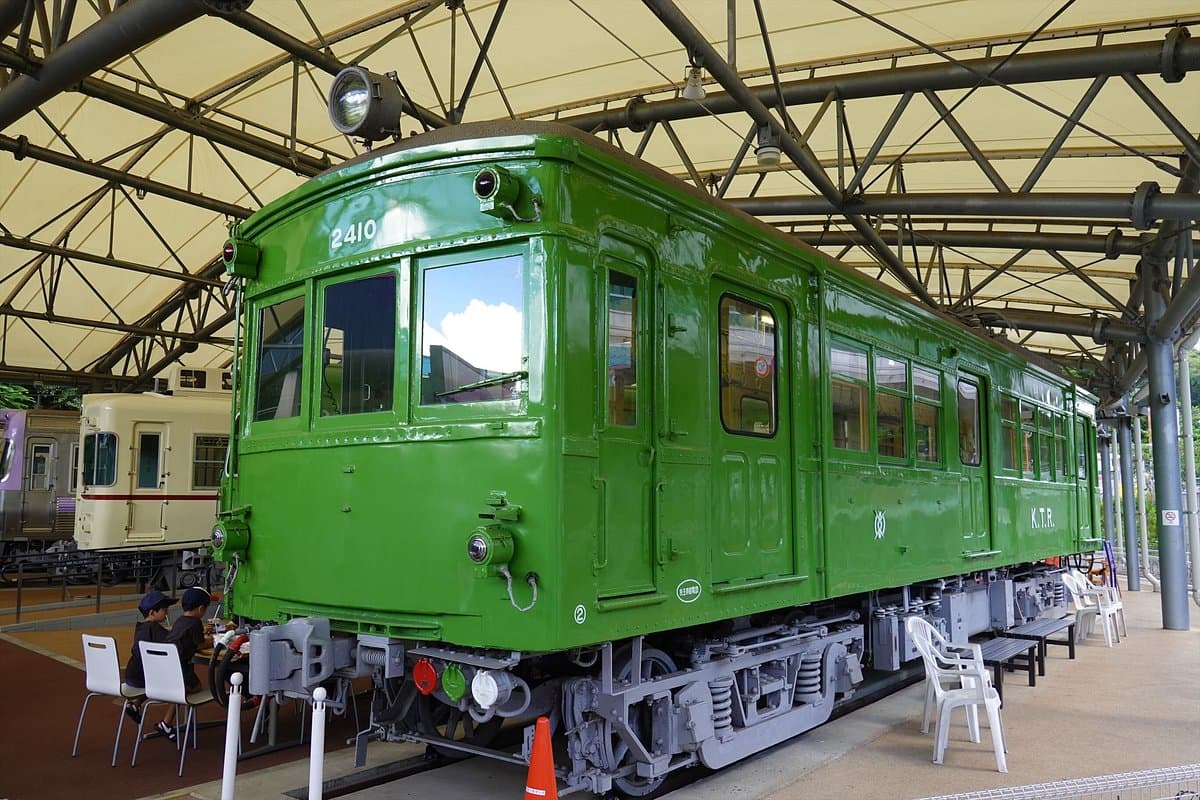
Keio Rail Land
Keio Rail Land
Keio Rail Land is a compact, interactive museum designed mainly for young children, offering train simulators, play areas, and a few real train cars. While adult train enthusiasts might find it small, it's a hit with toddlers and preschoolers who love trains, providing a fun and engaging experience.

Attraction
SAMURAI NINJA MUSEUM
SAMURAI NINJA MUSEUM · サムライ忍者体験ミュージアム · Samurai Ninja Taiken Myūjiamu
The SAMURAI NINJA MUSEUM TOKYO offers an interactive dive into Japan's warrior history, allowing visitors to learn about samurai and ninja through engaging activities. Reviewers highlight the fun of trying out weapons and the value of English-speaking guides. It's a hands-on experience rather than a traditional historical exhibit.
Attraction
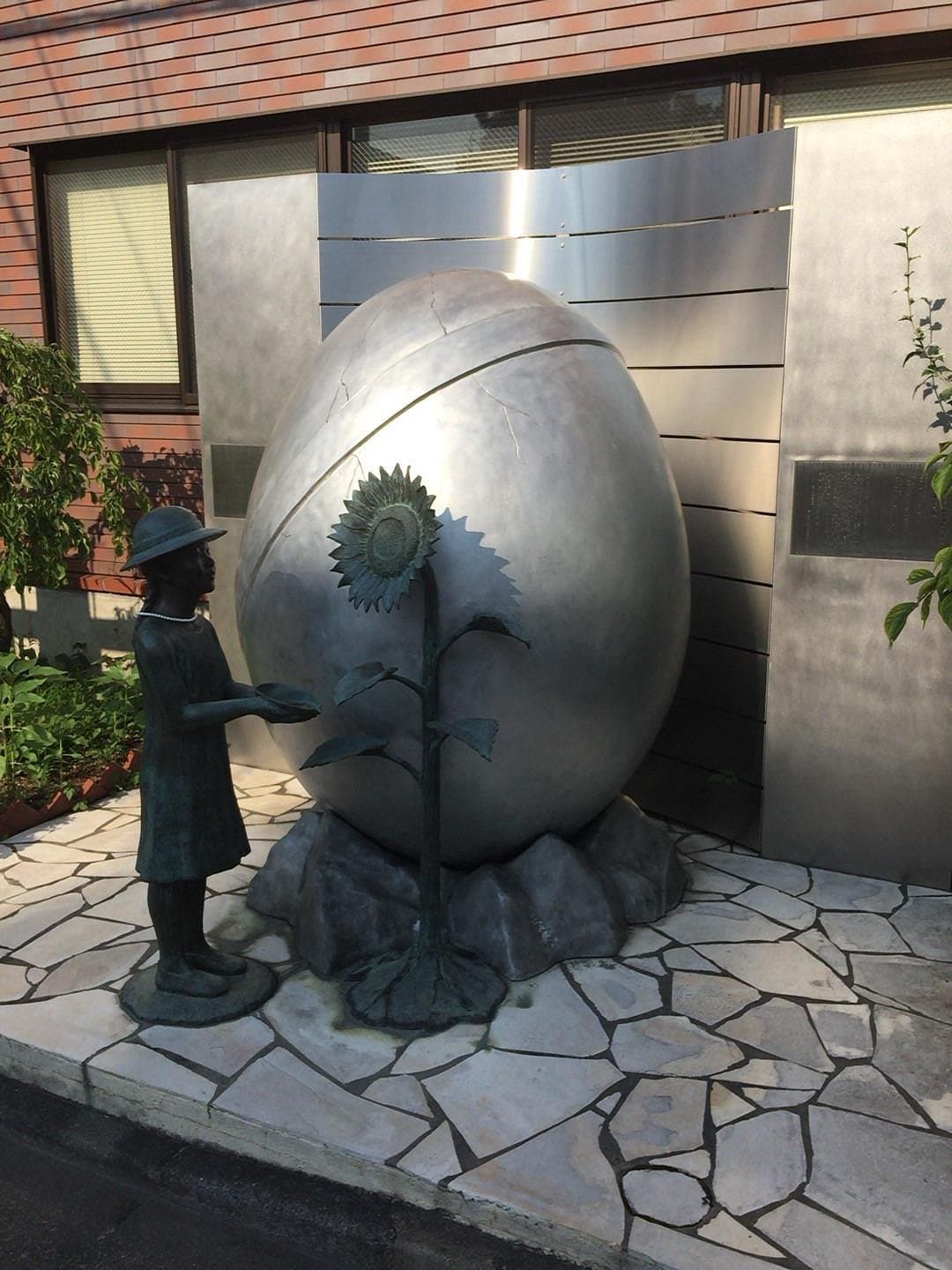
The Center of the Tokyo Raids and War Damage
The Center of the Tokyo Raids and War Damage
The Center of the Tokyo Raids and War Damage is a small, community-funded museum dedicated to preserving the memory of the devastating 1945 firebombing of Tokyo. It offers a poignant look at the human cost of war through survivor accounts and exhibits, providing a perspective often overshadowed by other WWII events.
Attraction
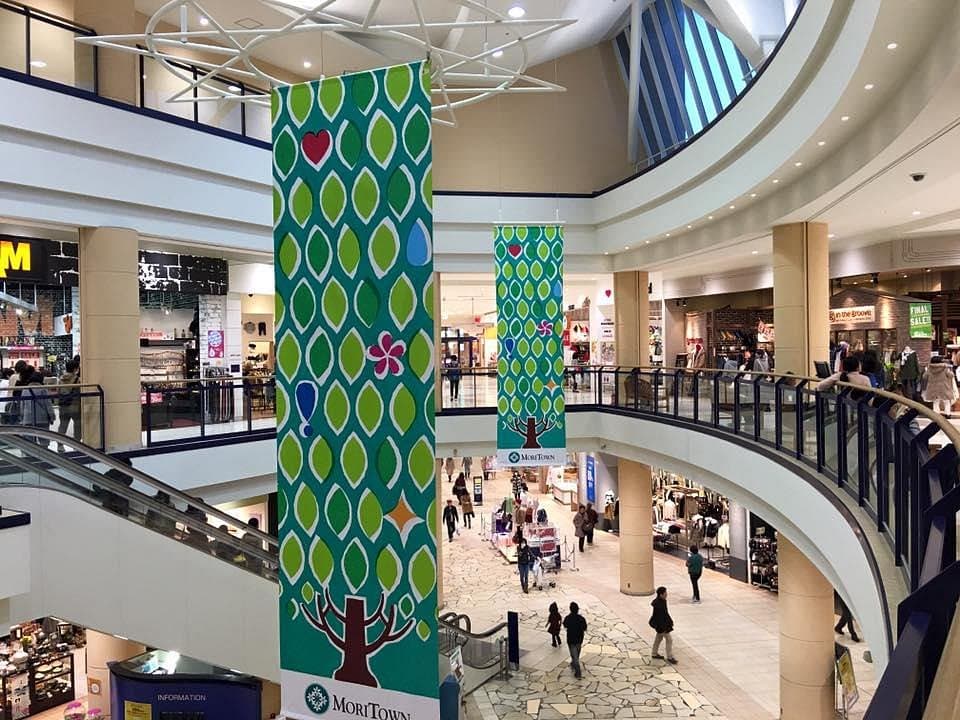
Mori Town
Mori Town
Mori Town is a mid-sized, family-oriented shopping mall conveniently located at Akishima Station. Visitors appreciate its wide array of dining options, including a popular food court, and a decent selection of shops for everyday needs rather than luxury goods.

Attraction
Serigaya Park
Serigaya Park
Serigaya Park offers a tranquil escape within Machida, featuring lush greenery, walking paths, and small ponds. Visitors appreciate its accessibility from Machida Station and its peaceful atmosphere, making it ideal for a relaxing stroll or a quiet break.
Attraction
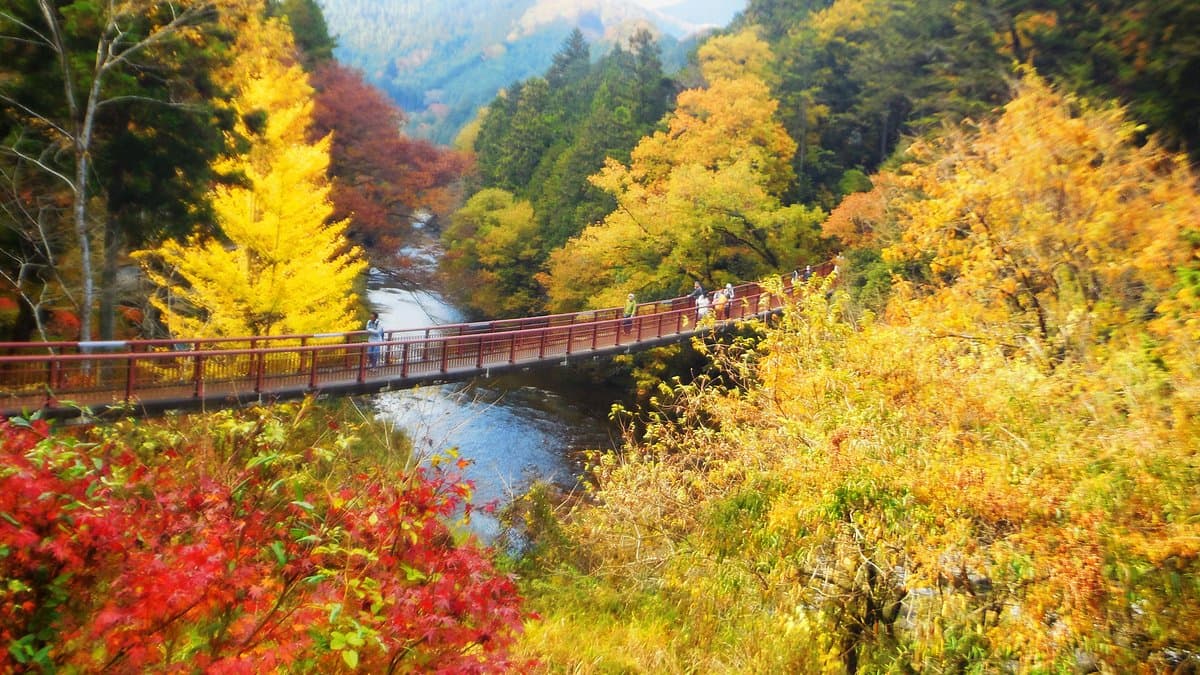
Akigawa Valley
Akigawa Valley
Akigawa Valley is a serene natural escape near Tokyo, known for its clear river, lush scenery, and tranquil atmosphere. Visitors can enjoy hiking, fishing, and simply relaxing by the water, making it a refreshing change from city life.

Attraction
Azuma Bridge
Azuma Bridge
The Azuma Bridge, spanning the Sumida River, is appreciated by visitors for its scenic views, particularly at night when the Tokyo Skytree is illuminated. Its distinctive color and elegant design make it a pleasant spot for a leisurely walk, especially after dinner in the Asakusa area.

Attraction
Cat Cafe Mocha Harajuku
Cat Cafe Mocha Harajuku
Cat Cafe Mocha Harajuku offers a tranquil escape amidst the bustling Harajuku district, where visitors can relax with numerous well-cared-for cats. While some cats may be shy, purchasing treats often encourages interaction, making it a unique experience for animal enthusiasts.
Attraction
Hamura Zoo
Hamura Zoo
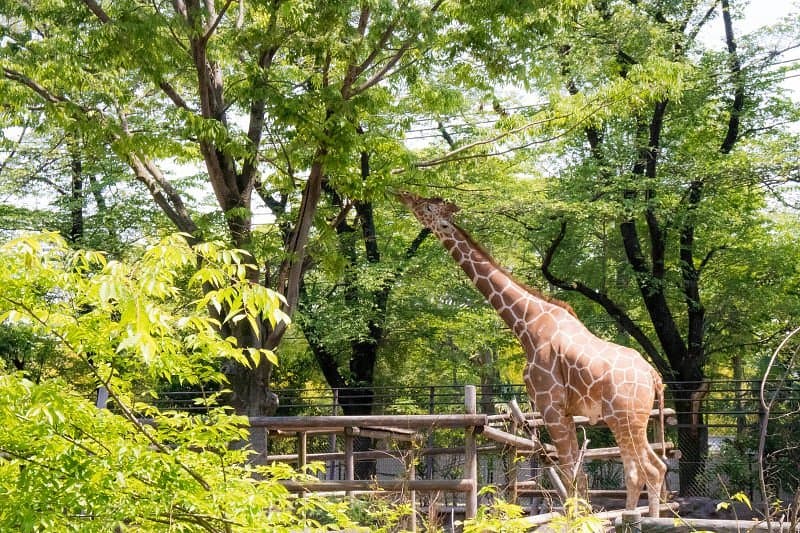
Hamura Zoo is a compact and family-friendly zoo, particularly well-suited for visitors with small children. Reviewers appreciate its manageable size, allowing for enjoyable half-day trips without overwhelming young ones, and its affordable entry.
Attraction
Okuno Building
Okuno Building · Okuno Building · Okuno Building
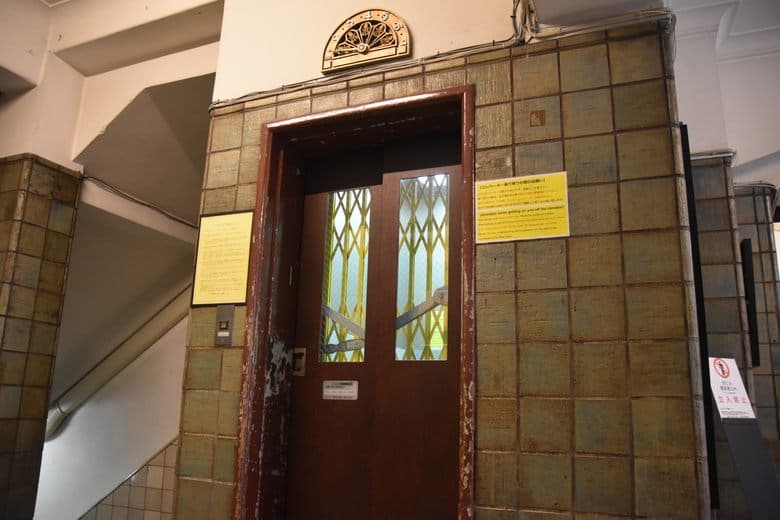
Step back in time at the Okuno Building, a well-preserved pre-war structure in Ginza, home to art galleries and antique shops. Its main draw is a rare manually-operated elevator, offering a unique, self-guided ride through Tokyo's architectural past.
Attraction
Old Iwabuchi Watergate
Old Iwabuchi Watergate
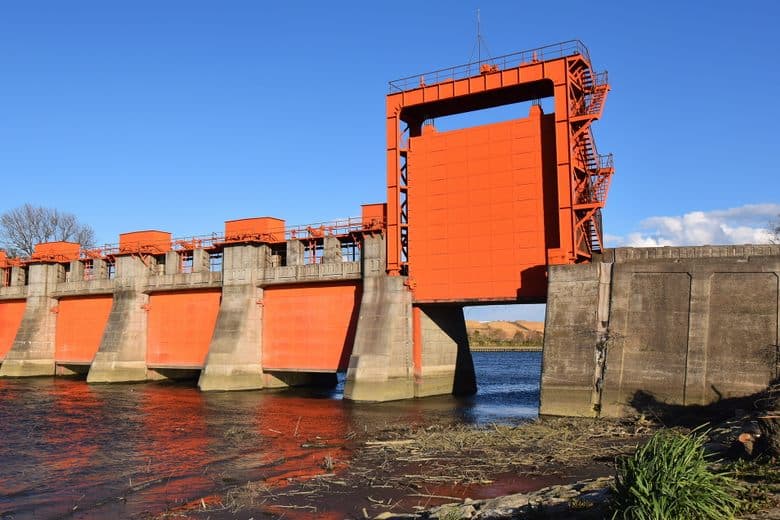
The Old Iwabuchi Watergate, also known as the Red Watergate, is a significant historical flood control structure in Tokyo. It offers a peaceful riverside setting popular with joggers and fishing enthusiasts, and its distinctive red color makes it a photogenic spot with a unique, slightly eerie atmosphere due to local ghost stories.
Attraction
TOKYO NO KABA Amphibious Bus
TOKYO NO KABA Amphibious Bus · 水陸両用バス TOKYO NO KABA · Suiriku Ryōyō Basu TOKYO NO KABA
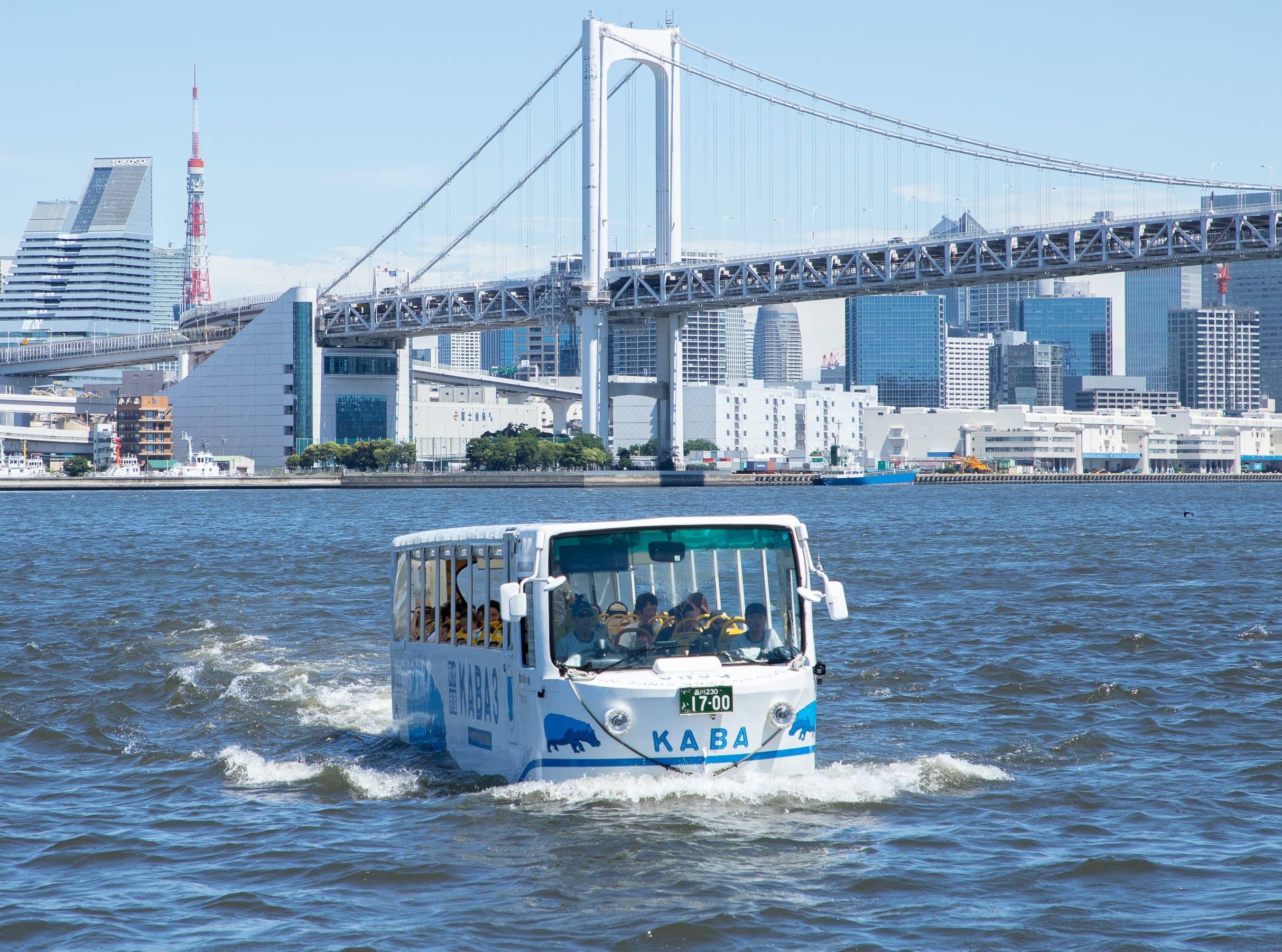
Experience Tokyo's Odaiba area from a unique perspective aboard the TOKYO NO KABA Amphibious Bus. This colorful vehicle transitions seamlessly from road to water, offering a fun and memorable ride, particularly for families, with engaging narration and immersive sound.