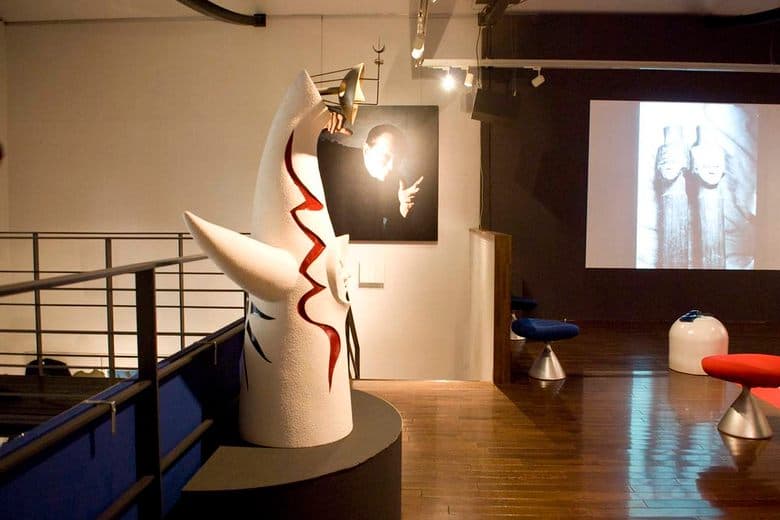
The Taro Okamoto Memorial Museum offers a unique glimpse into the life and work of Taro Okamoto, a pivotal figure in post-war Japanese avant-garde art. Housed in his former residence and studio, designed by Junzo Sakakura, a student of Le Corbusier, the museum showcases Okamoto's distinctive style, characterized by his theory of polarism and influences from prehistoric Japanese art. It's a must-visit for anyone interested in modern art, architecture, and the personal environment of a creative genius.
Visitors consistently praise the intimate atmosphere of the museum, noting how it feels like stepping directly into the artist's world. The opportunity to see his actual living room and workshop, complete with a wax figure of Okamoto, is frequently highlighted as a major draw. Many reviewers enjoy the outdoor sculpture garden, particularly the chance to sit on his 'chairs that refuse to be seated,' which are described as both whimsical and thought-provoking. The museum's manageable size is also appreciated, allowing for a focused and engaging experience without feeling overwhelmed.
To make the most of your visit, plan to spend about 1 to 2 hours exploring the museum and garden. The best time to visit is during the week to avoid potential crowds, though the museum rarely feels overly busy due to its intimate nature. Consider bringing a camera to capture the unique sculptures and the distinctive architectural details. While there isn't extensive practical advice on what to skip, some visitors suggest focusing on the ground floor and garden if time is limited, as these areas offer the most direct insight into Okamoto's personal space and interactive art.
The museum is conveniently located and easily accessible by public transport. It's just an eight-minute walk from Omote-sando Station. Alternatively, you can walk from Shibuya Station, which takes approximately 20 minutes. Both stations are major hubs, making it easy to reach the museum from various parts of Tokyo. There is no specific information about parking, suggesting public transport is the recommended mode of arrival.
Common complaints are rare, but some visitors mention that the museum is relatively small, which might not appeal to those expecting a large-scale art institution. However, this intimacy is often seen as a strength, allowing for a deeper connection with Okamoto's work. To mitigate this, approach the visit as an immersive experience into an artist's home rather than a traditional gallery, focusing on the details and the unique atmosphere.