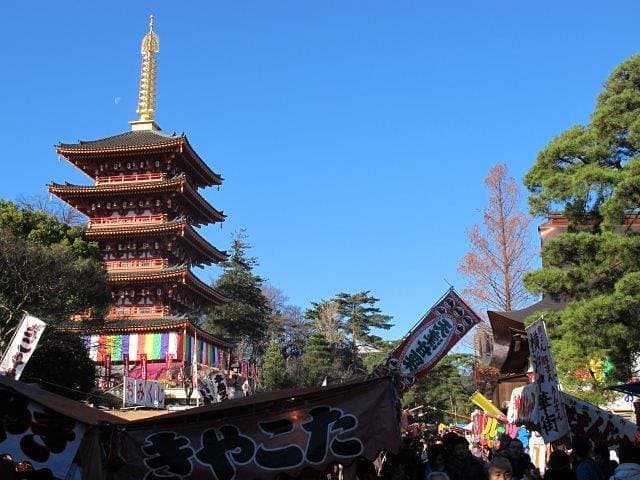
Takahata Fudoson Kongo-ji Temple is one of the three great Fudo temples of the Kanto region, boasting a history dating back to the Kamakura period. It is particularly significant for its association with Toshizo Hijikata, a prominent figure of the Shinsengumi, and for its extensive grounds that offer both spiritual solace and natural beauty. The temple is a vital cultural and historical site, providing insight into Japan's rich past and religious traditions.
Visitors frequently highlight the temple's tranquil and calm atmosphere, describing it as a place where one can truly feel a sense of power and history. Many are impressed by the intricate craftsmanship of the wooden structures, particularly the Niomon Gate and the main halls. The temple's natural surroundings are a major draw, with numerous reviews praising the stunning hydrangeas (ajisai) that bloom along the paths behind the temple in early summer, typically from mid-June. The unique "Yamauchi 88 places pilgrimage route," which replicates the Shikoku 88 pilgrimage within the temple grounds, is also a popular activity, offering a spiritual experience without extensive travel.
To make the most of your visit, consider spending 2-3 hours exploring the grounds, including the main temple buildings, the Hijikata Toshizo statue, and the 88-temple pilgrimage route. Early mornings or late afternoons are often recommended for a more peaceful experience, especially outside of peak seasons or special events. If visiting during hydrangea season (June), prioritize seeing the Horinkaku near the Niomon Gate for information on the best viewing spots. While the grounds are generally accessible, some slopes might require assistance for wheelchair users. Bringing comfortable walking shoes is advisable, especially if you plan to undertake the pilgrimage route.
The temple is conveniently located a short walking distance from Takahata-fudo Station, making it easily accessible by public transport. Reviewers consistently mention its proximity to the station as a major advantage. For those driving, a parking lot is available, and some visitors have noted it can be empty on certain days, such as Culture Day. Specific bus lines are not frequently mentioned in reviews, but the train is the primary recommended mode of transport.
A common observation is that while the temple is not always crowded, it can become busy during special events or specific seasons like the hydrangea bloom. To mitigate this, check the temple's event calendar before your visit and consider arriving earlier in the day. Some visitors mention morning prayers around 11 a.m. can draw a crowd, so plan accordingly if you prefer a quieter experience.
