The Site of Suzugamori Execution Grounds is a significant historical landmark in Tokyo, established in 1651 during the Edo period. It served as one of three primary execution sites, strategically located just outside the gates of Edo to serve as a stark warning to those entering the capital. Over 220 years, an estimated 100,000 to 200,000 individuals, including criminals, political prisoners, and early Christians, met their end here through various brutal methods, including burning at the stake, crucifixion, and 'water crucifixion' in Tokyo Bay.
Visitors consistently describe the site as a quiet, somber, and thought-provoking place. While not a large or visually spectacular attraction, its historical weight is palpable. Reviewers often highlight the preserved stone bases of the stake and crucifixion pillar, which offer a chilling reminder of the past. The presence of a temple, various monuments dedicated to the executed, and a memorial for koi fish add layers to the experience, inviting contemplation on life, death, and justice in historical Japan. Many appreciate the opportunity for quiet reflection away from the bustling city.
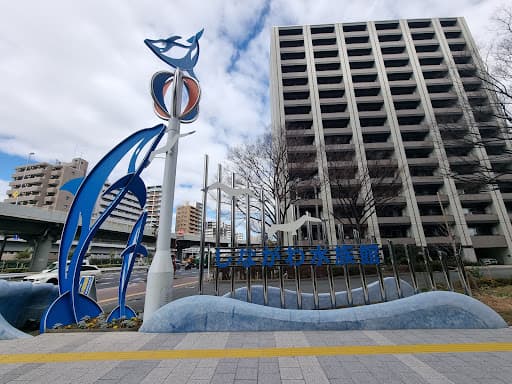
To make the most of your visit, allocate about 30-60 minutes for contemplation. The site is best visited during daylight hours for clear visibility of the monuments. There is no entry fee, making it an accessible historical stop. Consider bringing a small bottle of water, especially during warmer months, as amenities are limited. It's a place for quiet respect, so avoid loud conversations. Combining this visit with the nearby Shinagawa Aquarium (about a 7-minute walk) can offer a contrasting experience, moving from solemn history to marine life.
The Suzugamori Execution Grounds are conveniently located near several train stations. Ōmori Station (JR East) and Ōmorikaigan Station (Keikyu Main Line) are viable options, as is Tachiaigawa Station (Keikyu Main Line). From any of these stations, the site is within walking distance. Public transport is highly recommended as parking in the immediate vicinity can be challenging.
A common observation is that the site is smaller than one might expect, given its historical significance. Some visitors also note the lack of extensive English signage, which might require prior research or a guide for a deeper understanding. To mitigate this, it's advisable to read up on the history of Suzugamori before your visit to fully appreciate the context of the monuments and the 'Bridge of Tears' (Namidabashi) nearby, where condemned prisoners once walked.