The Omori Shell Mound, known locally as Ōmori Kaizuka Iseki Teien, holds significant historical importance as the site of Japan's first archaeological excavation. In 1877, American zoologist Edward S. Morse, captivated by a heap of mollusk shells he spotted from a train, initiated digs that unearthed numerous Jōmon-period artifacts, including pottery, bones, and figurines. This discovery not only shed light on Japan's prehistoric Jōmon culture but also gave the period its name, derived from the distinctive "rope-marked" patterns on the pottery. Beyond archaeology, the site is also recognized as the birthplace of fingerprint forensics, as Dr. Henry Faulds, accompanying Morse, observed fingerprints on pottery fragments, leading to his groundbreaking article on individual fingerprint identification.
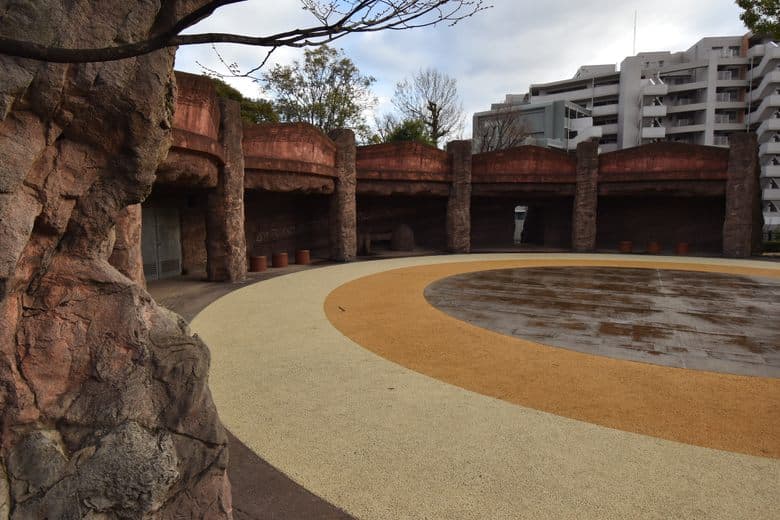
Visitors consistently praise the park for its quiet, unassuming atmosphere and its unique historical significance. Many appreciate the blend of a modern children's playground with subtle nods to its ancient past, such as Jōmon-inspired bathroom designs. While some reviewers find the actual preserved shell mound portion to be small, they often highlight the informative plaques and monuments dedicated to Morse and the site's discoveries. The nearby Shinagawa Historical Museum is frequently recommended by those looking to delve deeper, as it houses many of the artifacts excavated from Omori Kaizuka.
For a meaningful visit, allocate about 1-2 hours, especially if you plan to visit the Shinagawa Historical Museum. The park is best enjoyed during daylight hours, and it's a pleasant spot for a leisurely stroll. There's no specific equipment needed, but comfortable walking shoes are advisable. To enhance your experience, consider reading up on the Jōmon period and the story of Edward S. Morse and Henry Faulds beforehand. The park is free to enter, making it an accessible historical stop.
The Omori Shell Mound is conveniently located within a five-minute walk from Omori Station. Reviewers suggest taking the JR Keihin-Tohoku Line to Omori Station. From there, clear signage or a quick map check will guide you to the park. The Shinagawa Historical Museum is also within walking distance in the opposite direction from the park, making it easy to combine both visits without needing additional transport.
A common complaint is that the actual shell mound display is smaller than some visitors expect, leading to a sense of anticlimax if one anticipates a large, dramatic archaeological site. To mitigate this, approach the visit with an understanding that the significance lies more in the historical context and the interpretive information rather than a grand visual spectacle. Focusing on the story behind the site and combining it with a visit to the Shinagawa Historical Museum will provide a more complete and satisfying experience.