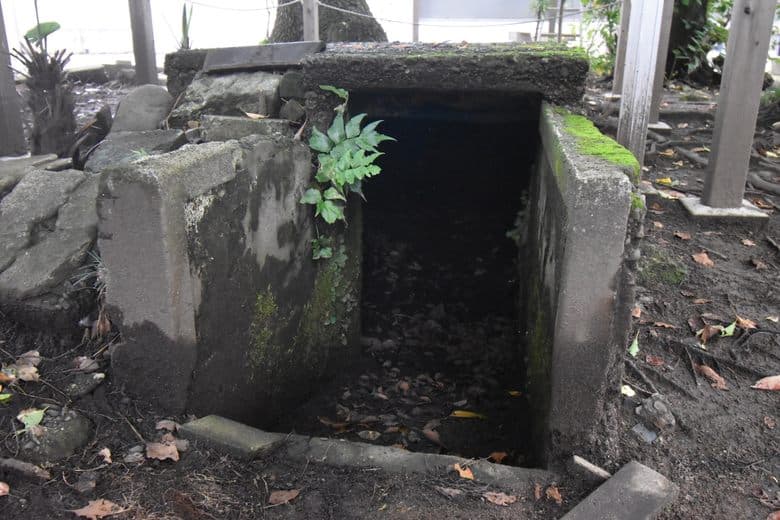
The Senju Shrine Bomb Shelter is a small, concrete air-raid shelter located on the grounds of the Senju Shrine in Tokyo. It stands as a tangible, albeit modest, relic of World War II, offering a direct connection to the experiences of civilians during the intense Allied air raids on Tokyo. While the shrine itself was destroyed and later rebuilt, this shelter, capable of housing about a dozen people, survived the conflict and is preserved as a historical memento.
Visitors consistently describe the shelter as a small but significant historical site. Many appreciate its quiet presence as a stark reminder of the war, contrasting with the vibrant modern city. Reviewers often highlight the shelter's unassuming nature, noting that it's not a grand museum but rather a humble, preserved structure that evokes a sense of history. The ginkgo tree on the shrine grounds, which also survived the bombing, is often mentioned as another poignant symbol of resilience.
To make the most of a visit, allocate about 15-30 minutes to explore the shelter and the shrine grounds. This site is best visited during daylight hours for clear viewing. There are no specific items to bring, but comfortable walking shoes are always advisable for exploring shrine grounds. It's important to approach the site with an appreciation for its historical context rather than expecting an interactive exhibit.
The Senju Shrine Bomb Shelter is conveniently located within walking distance of major transportation hubs. It is approximately a 10-minute walk from both Kitasenju Station and Senjuohashi Station. Both stations are well-connected by various train lines, making public transport the most recommended way to reach the shrine. Once you arrive at either station, follow signs towards Senju Shrine; the shelter is located within its premises.
A common point to consider is the shelter's small size and lack of extensive interpretive displays. Visitors expecting a large exhibition or detailed historical explanations might find it underwhelming. To mitigate this, it's recommended to research the history of Tokyo during WWII and the significance of air-raid shelters beforehand, which will enhance the appreciation of this particular site.