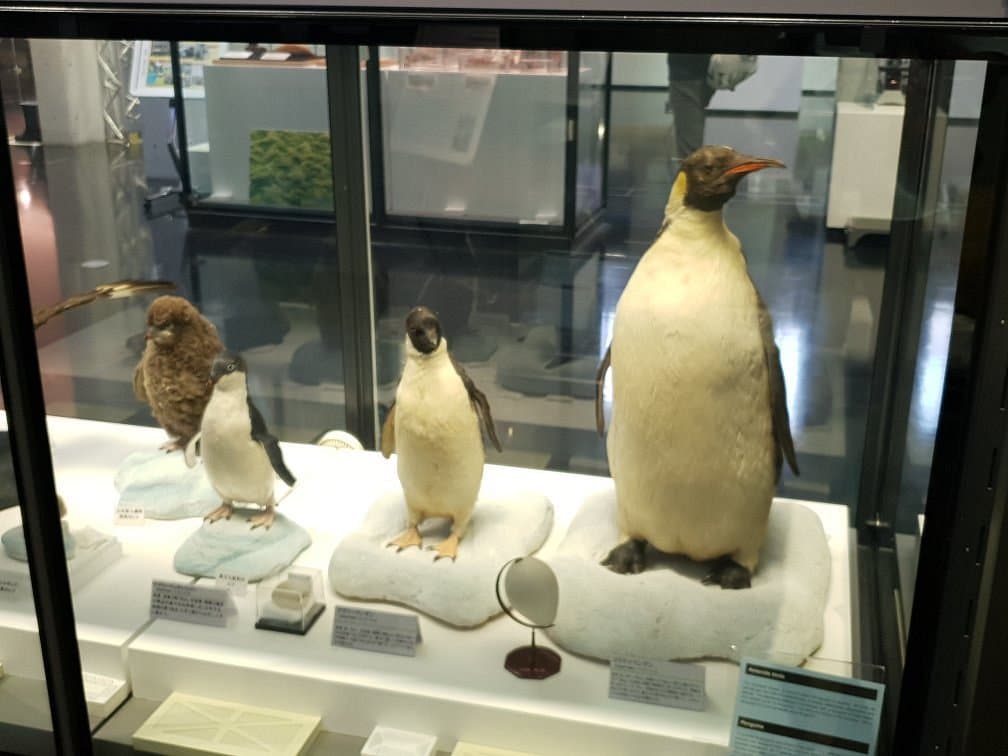
The Polar Science Museum, a facility of the National Institute of Polar Research, serves as a dedicated showcase for Japan's significant contributions to polar science and exploration. It highlights the nation's proud history, from early Antarctic expeditions led by figures like Lt. Nobu Shirase to contemporary research activities. The museum primarily focuses on Antarctica, offering insights into scientific findings, the unique living creatures of the region, and the challenges of polar research.
Visitors consistently praise the museum for being both interesting and informative, making complex scientific concepts accessible to a wide audience, including children. A particular highlight for many is the immersive theater experience, where a short video clip of the aurora borealis is projected onto the ceiling, creating a captivating visual display. While some reviewers note the museum's small size, suggesting a visit can be completed in as little as 30 minutes, others recommend taking advantage of the one-hour exhibition commentary tour for a deeper understanding. The availability of English literature and assistance is also appreciated by international visitors.
To make the most of your visit, consider allocating about 1-2 hours, especially if you plan to watch the aurora show and explore all exhibits at a leisurely pace. The museum is free to enter, making it an excellent budget-friendly option. While most exhibits focus on Antarctica, a smaller section covers the Arctic. It's advisable to check the schedule for the aurora show upon arrival, as it's a popular feature. Reviewers suggest that the museum is suitable for both adults and children, offering engaging content for all ages.
The museum is conveniently located within walking distance of Tachikawa-Kita Station on the Tama Monorail. This makes it easily accessible via public transport from central Tokyo. Simply take the JR Chuo Line to Tachikawa Station, then transfer to the Tama Monorail for one stop to Tachikawa-Kita. From there, follow signs to the National Institute of Polar Research. Driving is generally not recommended due to limited parking and excellent public transport links.
A common point raised by some visitors is the limited amount of information available in English for certain exhibits. While English literature and assistance are available, some displays might have more detailed explanations in Japanese. To mitigate this, consider joining a guided tour if offered, or utilize translation apps on your smartphone for specific exhibit texts that pique your interest.