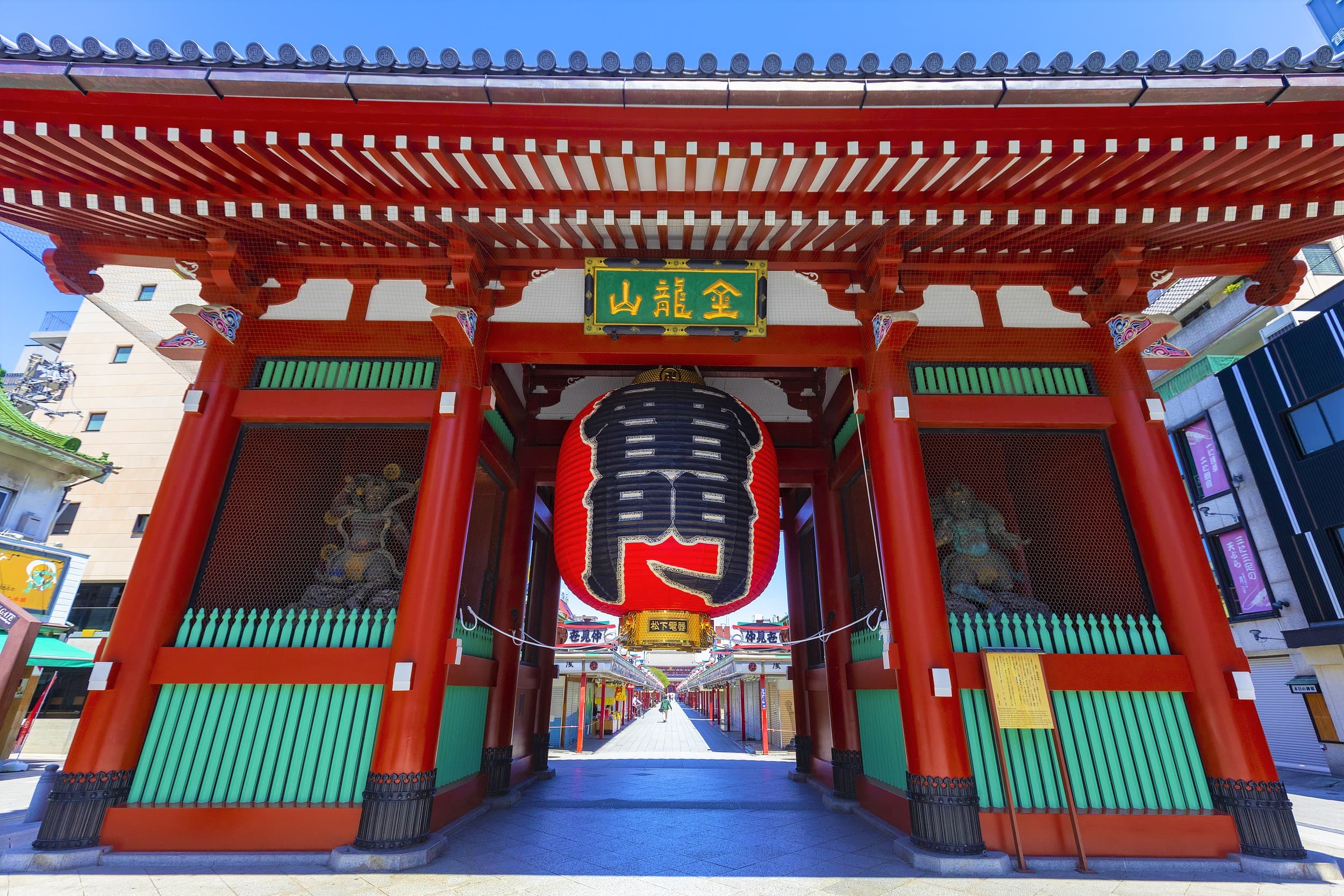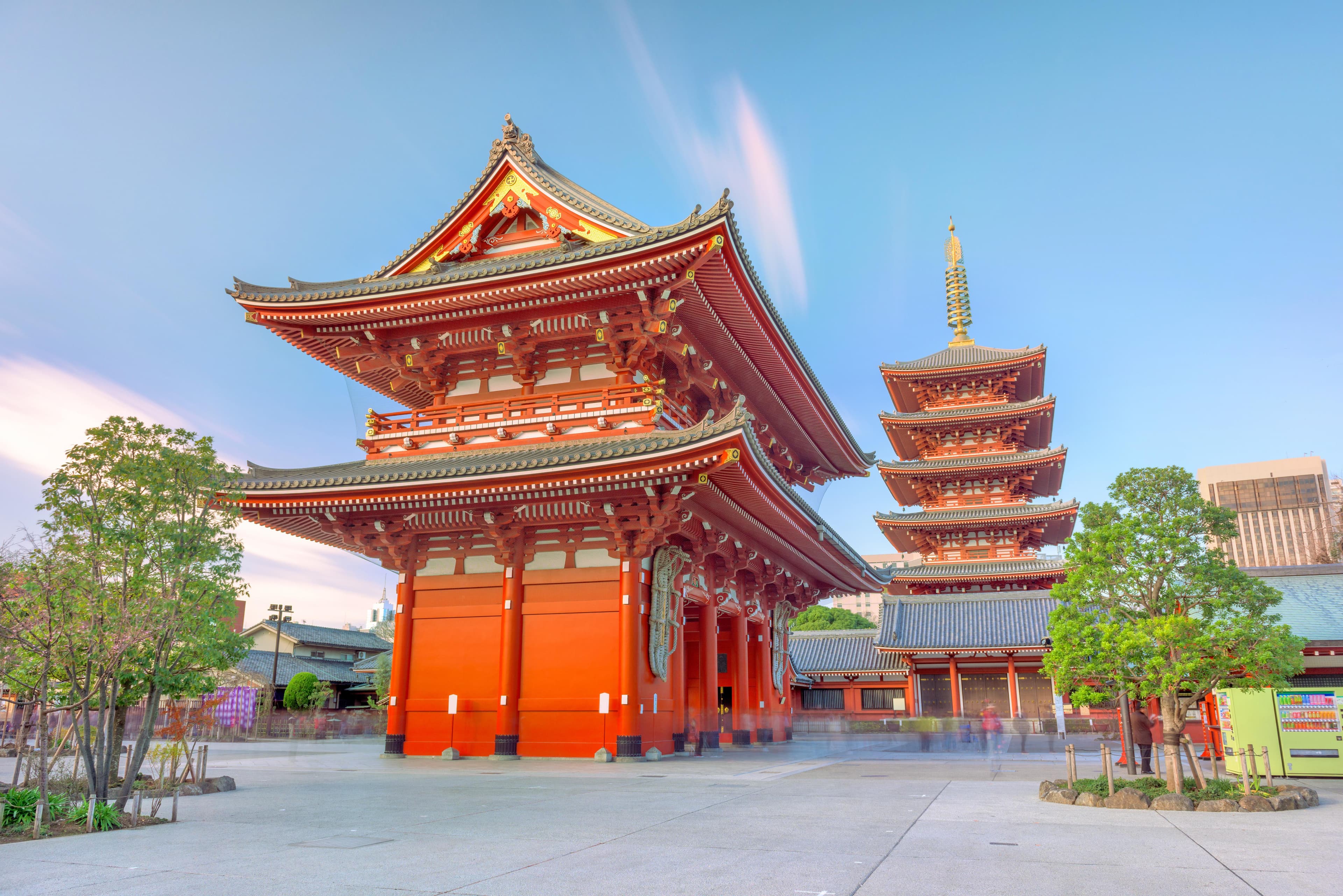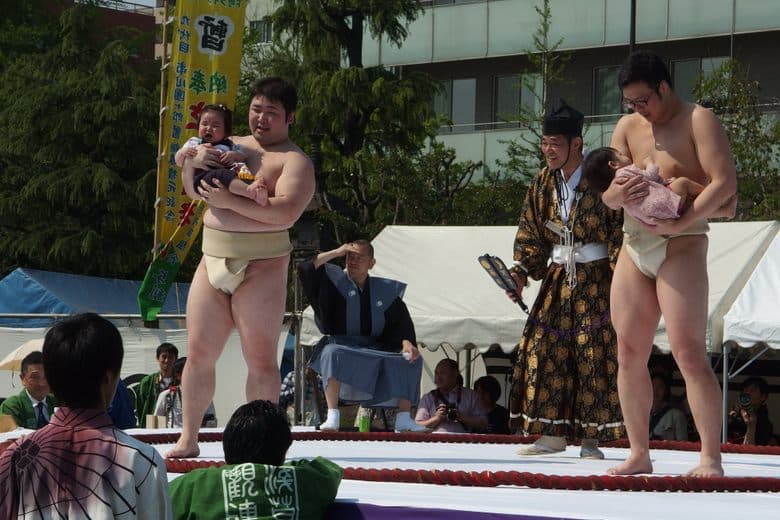
The Naki Sumo Baby Crying Contest is a fascinating and somewhat bizarre Japanese tradition with roots stretching back hundreds of years. Held annually at the historic Sensoji Temple in Tokyo, the festival is based on the proverb, "Naku ko wa sodatsu" ("Crying babies grow fat"), and the belief that a baby's piercing wails can ward off evil spirits and ensure a long, healthy life. It's a cultural spectacle where sumo wrestlers gently try to make babies cry, often by making funny faces or shouting, creating a unique blend of tradition and playful chaos.
Visitors consistently highlight the event's unusual nature and the humorous interactions between the sumo wrestlers and the babies. Many find the sight of large sumo wrestlers attempting to coax tears from infants both amusing and endearing. The atmosphere is generally described as lighthearted and jovial, with parents and spectators enjoying the spectacle. However, some visitors might find the concept of intentionally making babies cry a bit unsettling, though it's clearly presented as a cultural ritual rather than actual distress.
To make the most of your visit, it's crucial to check the exact dates and times, as the contest is an annual event, typically held in April. Arriving early is recommended to secure a good viewing spot, as the area around Sensoji Temple can become very crowded. Be prepared for crowds and bring a camera to capture the unique moments. The event itself doesn't require a long time commitment; an hour or two should be sufficient to observe the main activities. There are no specific items to bring beyond what you'd normally carry for a day out in Tokyo.
The Naki Sumo Baby Crying Contest takes place at Sensoji Temple in Asakusa, Tokyo. The temple is easily accessible via public transport. The nearest station is Asakusa Station, served by the Tokyo Metro Ginza Line, Toei Asakusa Line, and Tobu Skytree Line. From Asakusa Station, the temple is just a short walk (approximately 5-10 minutes) through the Nakamise-dori market street. Given its central location and excellent public transport links, driving is not recommended, and parking in the area is scarce and expensive.
A common complaint, particularly for those unfamiliar with Japanese cultural nuances, might be the perceived discomfort of the babies. However, it's important to understand that this is a deeply ingrained cultural practice, and the babies are not in any real danger or prolonged distress. The event is designed to be a joyous occasion for the families involved. Managing expectations and approaching the event with an open mind towards cultural differences will enhance the experience.