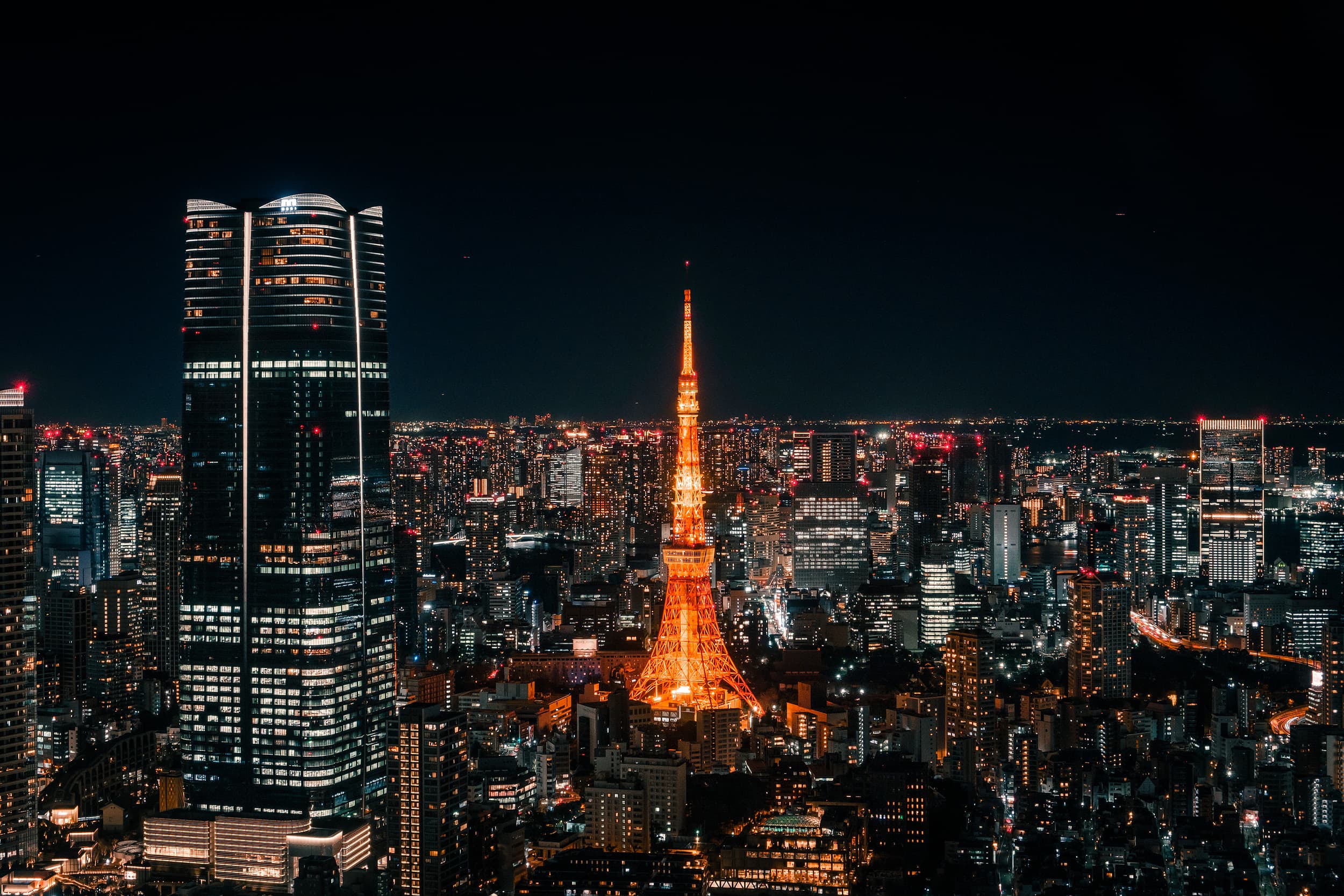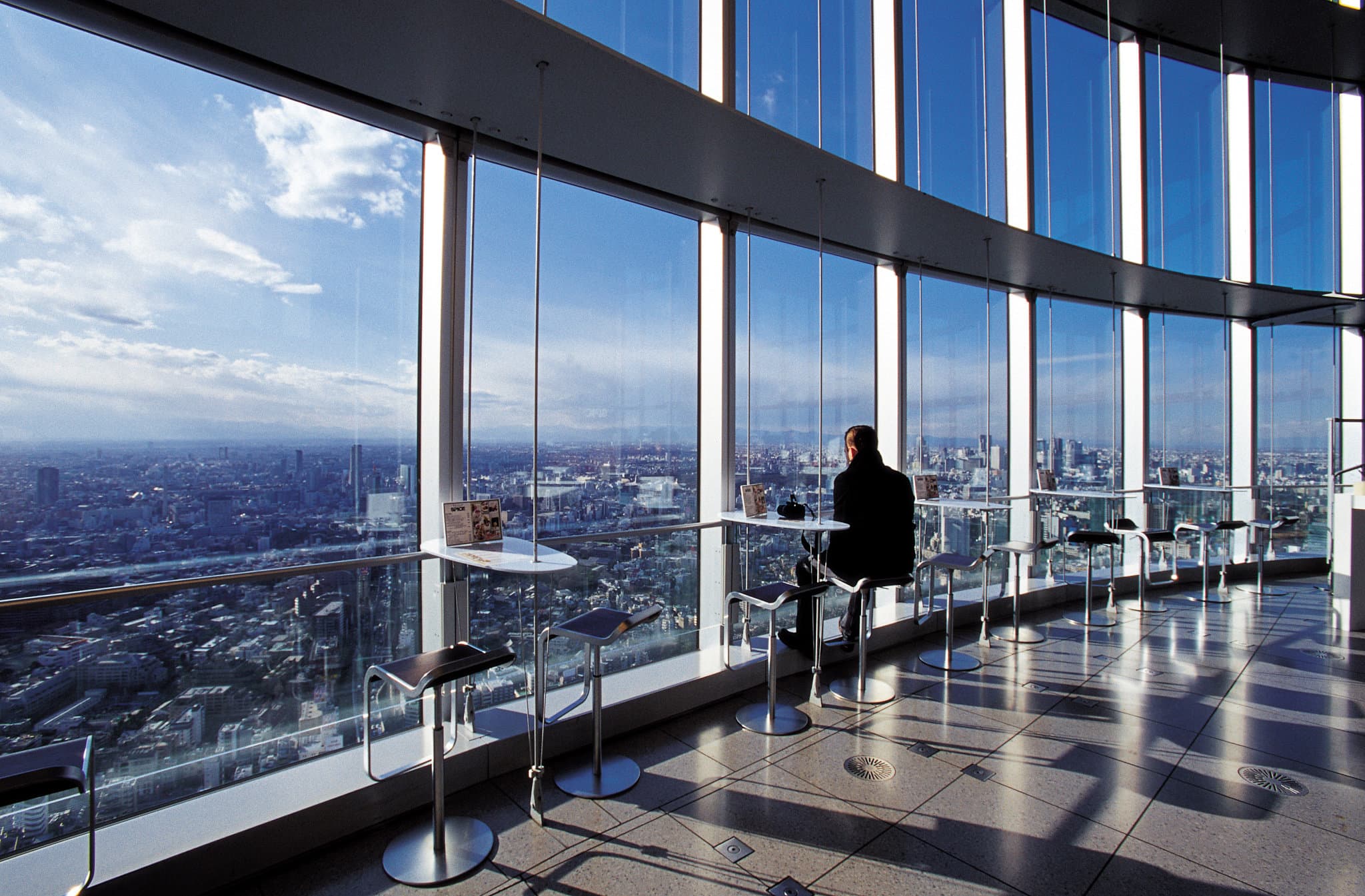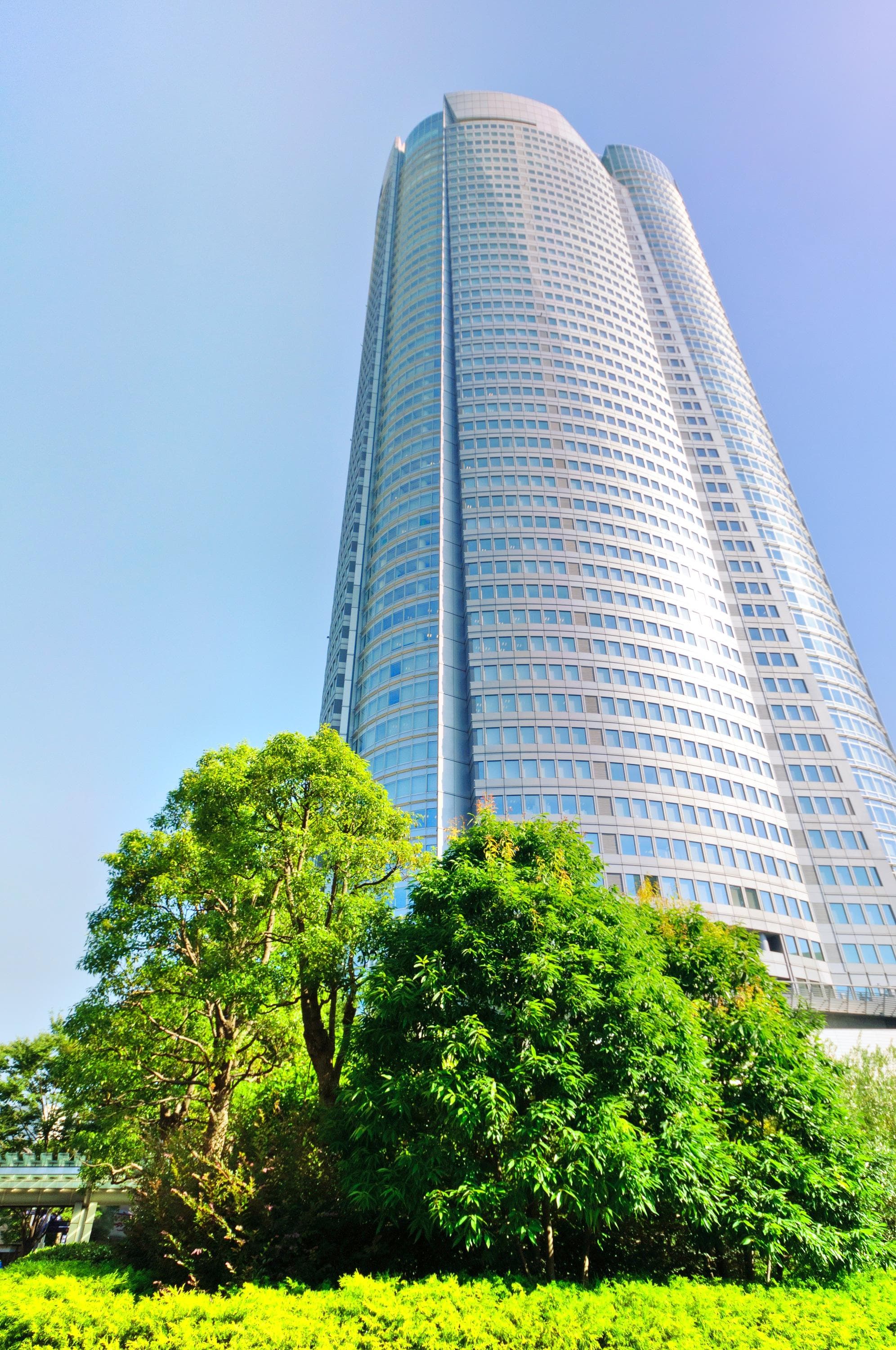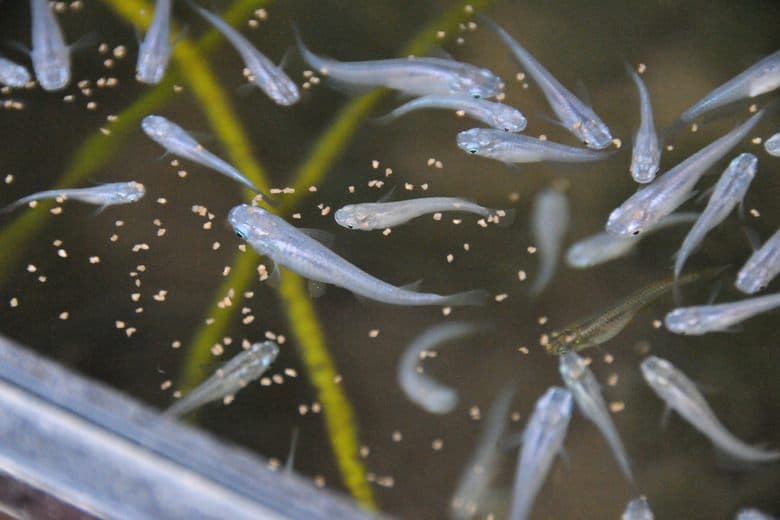
Mohri Garden Pond is a serene historical garden nestled within the modern Roppongi Hills complex in Tokyo. Dating back to the late 18th century, this pond is not just a picturesque spot but also holds a fascinating secret: it's home to 'space fish' – descendants of medaka fish that were part of experiments aboard the 1994 Columbia space shuttle. This unique blend of history, nature, and space exploration makes it a curious attraction.
Visitors consistently praise the garden as a peaceful oasis, a stark contrast to the surrounding urban hustle. Many reviewers highlight it as an ideal spot for a quiet break, lunch, or simply to relax and observe the fish. The well-maintained greenery, seasonal flowers like irises, and the calming presence of the pond contribute to its high appeal. The story of the 'space fish' often sparks interest and amusement among those who discover it, adding an unexpected layer to their visit.
To make the most of your visit, consider bringing a light snack or lunch to enjoy by the pond, as many locals and office workers do. The garden is relatively small, so an estimated 30-60 minutes is sufficient to explore and relax. It's best visited during daylight hours to fully appreciate the landscaping and the fish. There are no specific items to bring, but comfortable walking shoes are always advisable for exploring Tokyo. Be mindful of the small sign requesting visitors not to introduce other fish or pets into the pond, to protect the unique medaka population.
Mohri Garden is conveniently located within a five-minute walk from Roppongi subway station, accessible via the Oedo or Hibiya Lines. Upon exiting the station, follow signs towards Roppongi Hills; the garden is situated between the office and cinema complex and a local TV studio. Its central location within Roppongi Hills makes it easily reachable by public transport, and walking is the primary mode of access once in the area.
Common complaints are rare, but some visitors might find the garden smaller than anticipated, especially given its location within a large urban development. To mitigate this, manage expectations and view it as a charming, compact green space rather than an expansive park. Its primary charm lies in its tranquility and the unique 'space fish' narrative, rather than its sheer size.