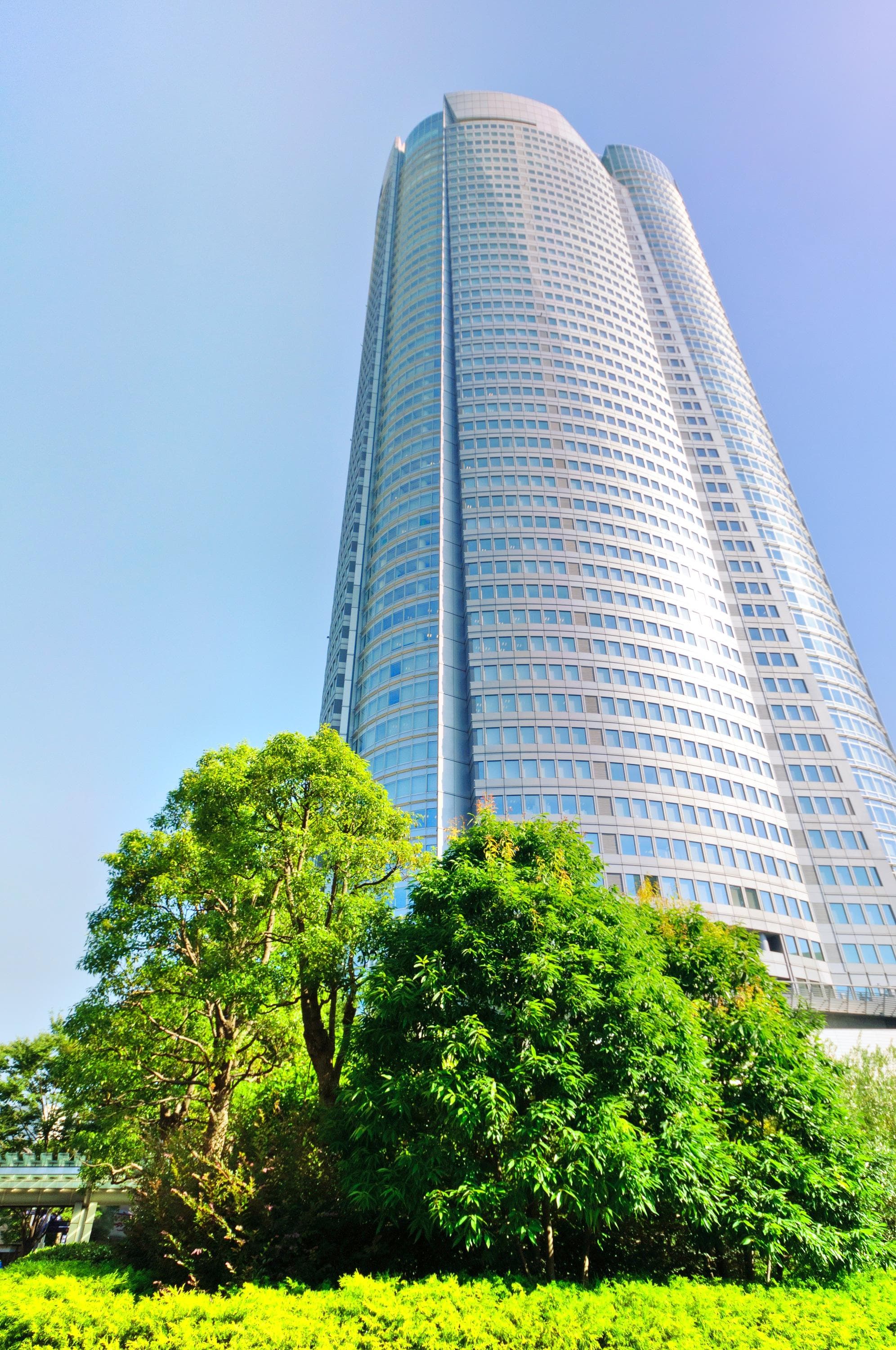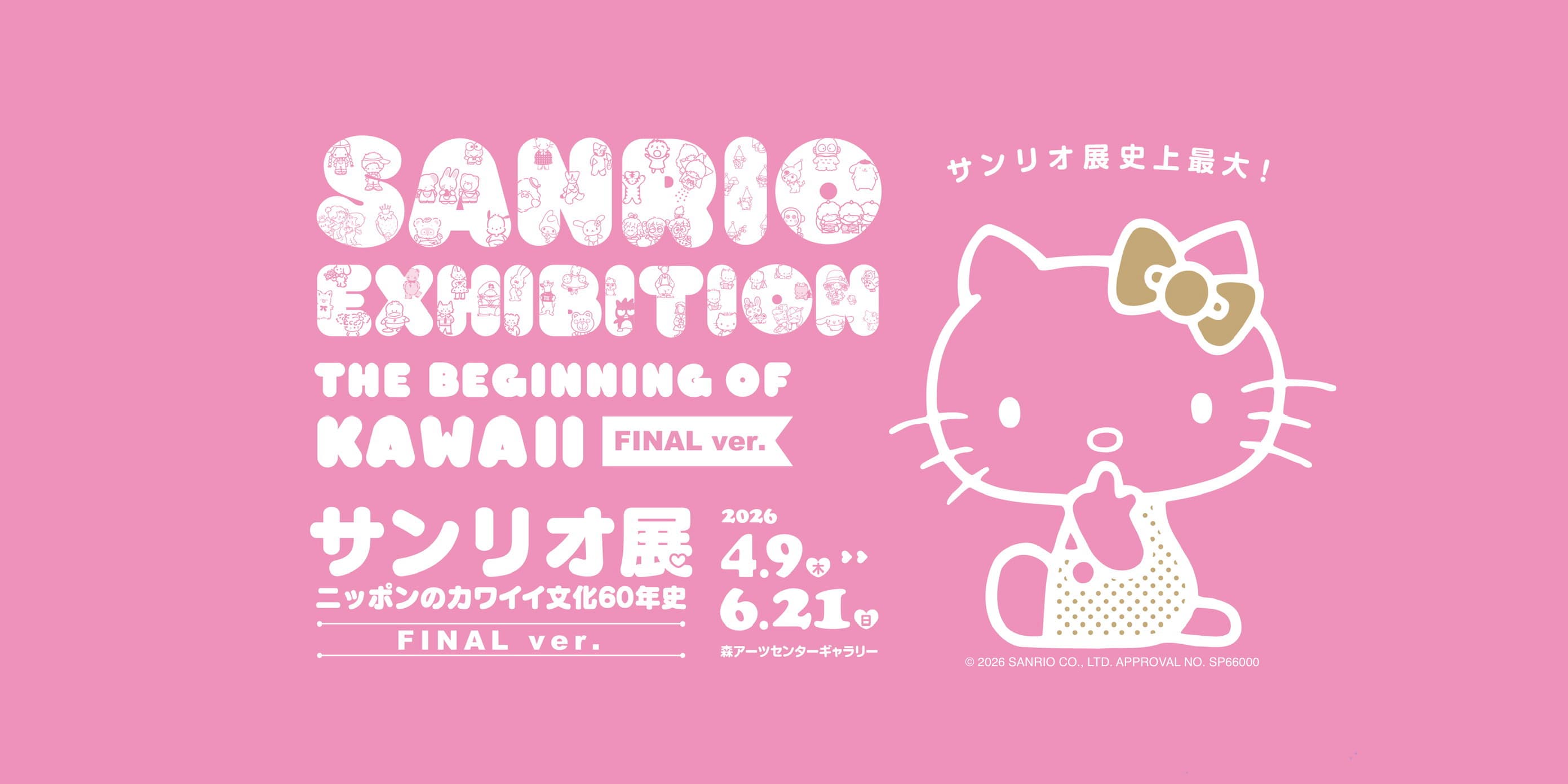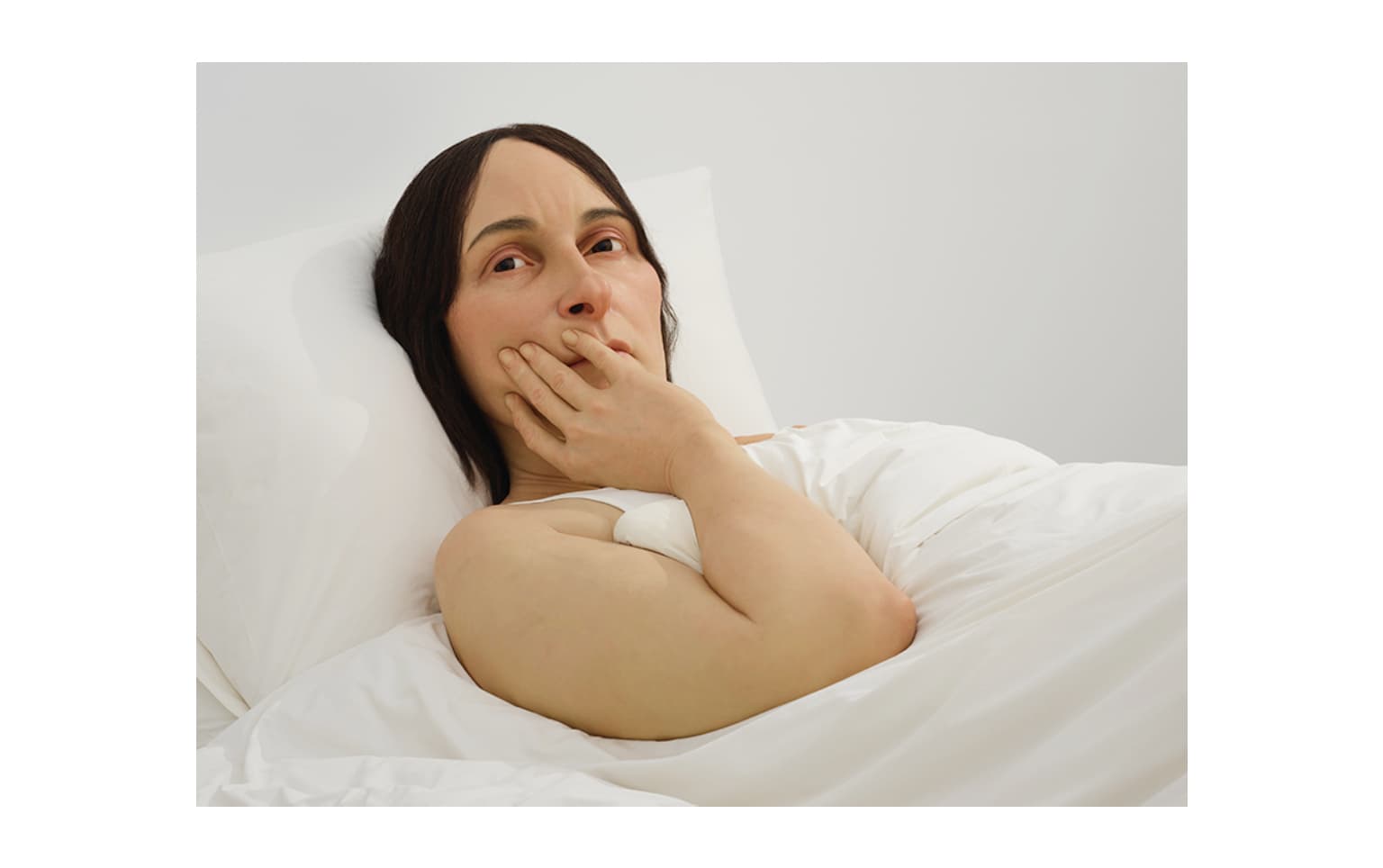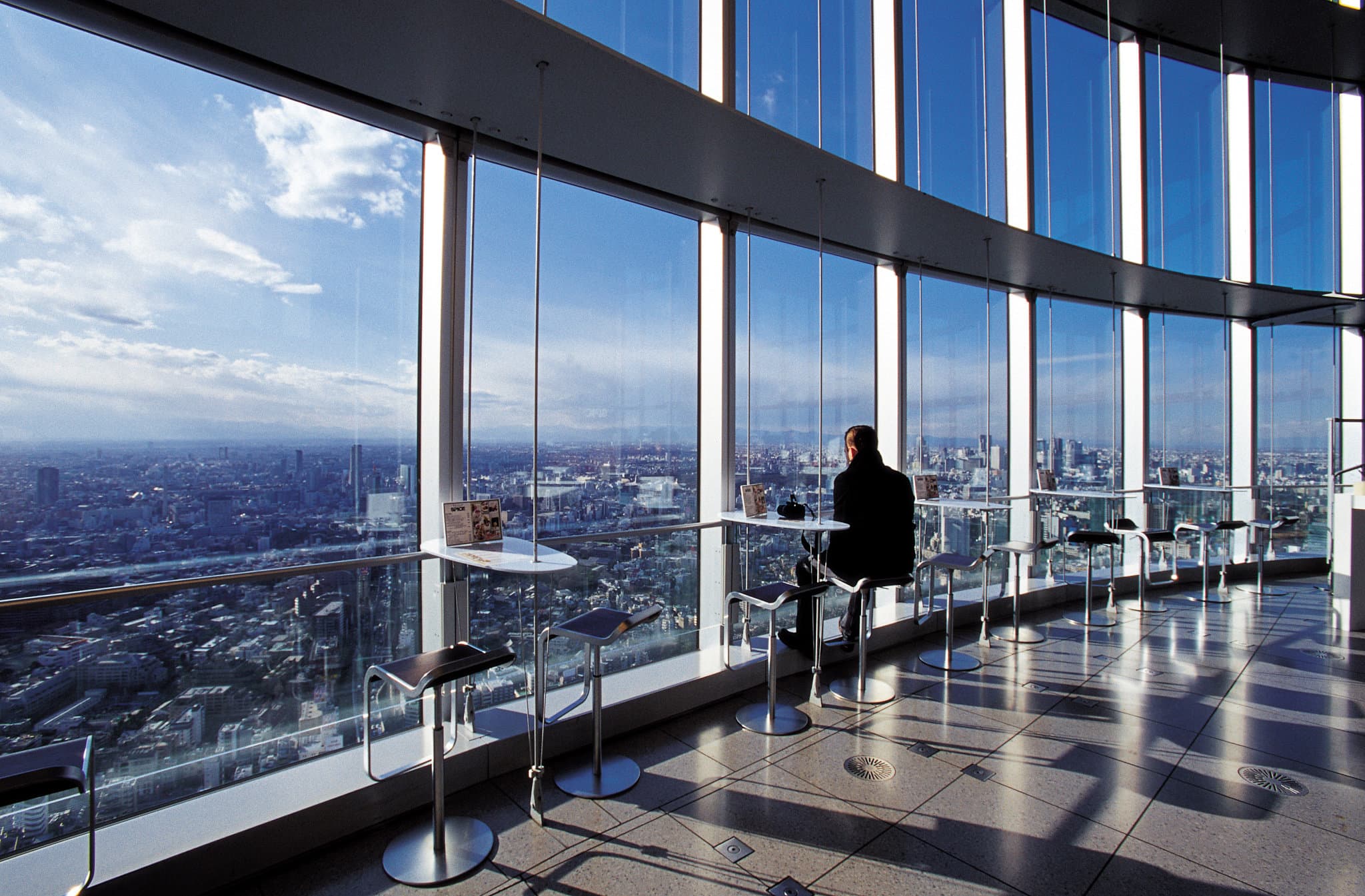
Roppongi Hills is a sprawling, integrated urban development in the heart of Tokyo, often described as a 'city within a city.' Opened in 2003, it stands as a testament to modern Japanese urban planning, combining high-end retail, diverse dining, luxury residences, offices, a hotel, and significant cultural institutions like the Mori Art Museum and the Tokyo City View observation deck. It's also notable for its extensive collection of public art, including Louise Bourgeois' iconic 'Maman' spider sculpture and unique 'Street Furniture' along Keyakizaka Street, making it a destination that blends commerce with culture and aesthetics.
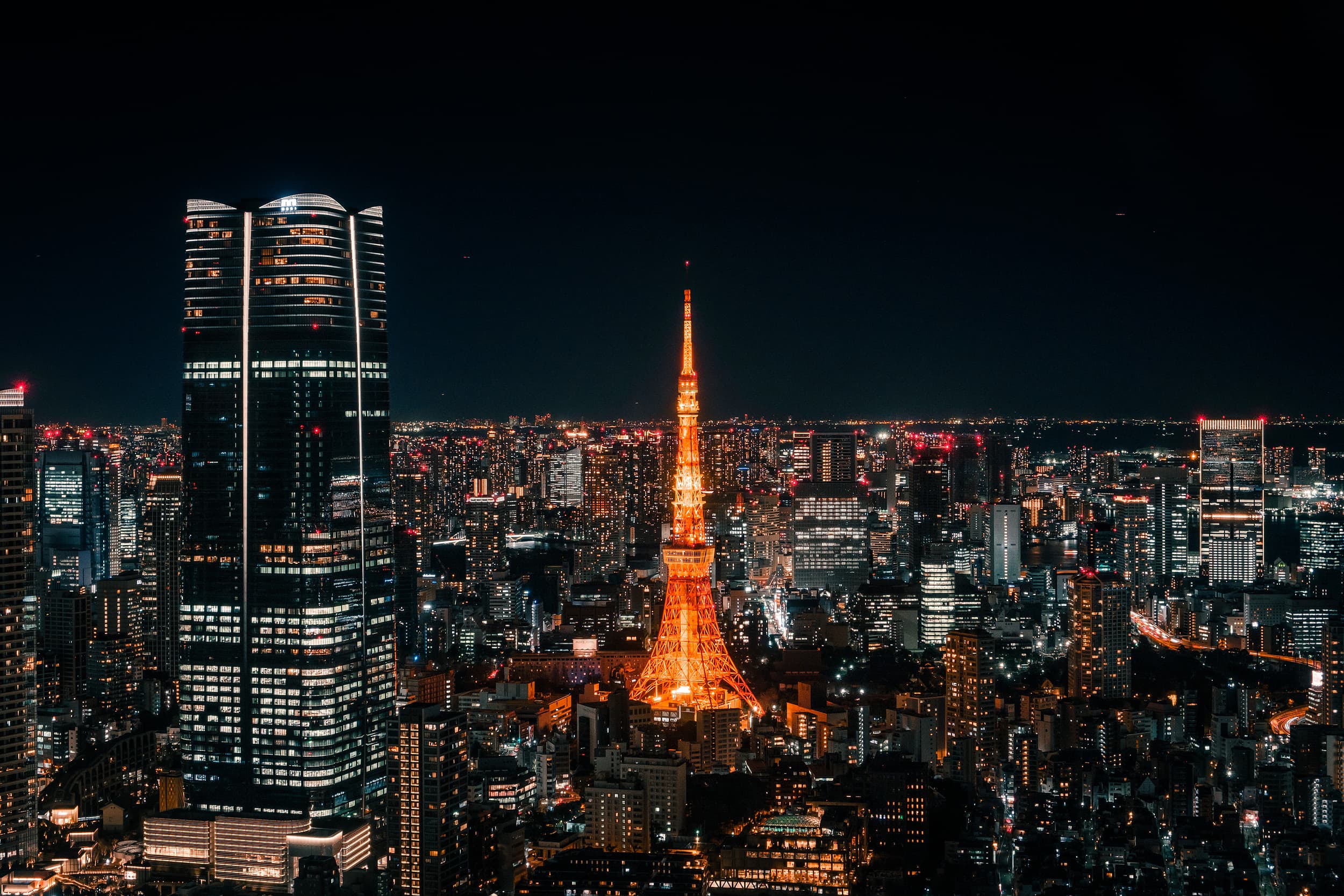
Visitors consistently highlight the Tokyo City View observation deck, particularly for its unparalleled views of Tokyo Tower and the sprawling cityscape, especially during sunset and at night. Many recommend paying the extra fee for access to the rooftop Sky Deck for an unobstructed, open-air experience. The Mori Art Museum, often hosting contemporary exhibitions, is also a major draw, with many visitors combining an art visit with the observation deck. The shopping and dining options, though often described as high-end, receive praise for their variety and quality, with some reviewers finding more affordable options in the basement or at specific eateries like Afuri ramen.
To make the most of your visit, consider purchasing tickets for the observation deck online in advance, as some reviewers mention potential savings. Arriving in the late afternoon allows you to experience both daylight and night views, including the sunset. While the area can be crowded, especially on weekends and during special events like Christmas illuminations, the crowds for the observation deck are generally well-managed. Many visitors suggest allocating 3-5 hours to explore the complex, including the observation deck, museum, and some shopping or dining. If you're on a budget, focus on the free public art installations and gardens, and seek out more affordable food options. For those interested in unique events, check the Roppongi Hills website for seasonal festivals or art nights.
Roppongi Hills is highly accessible via public transport. It's directly connected to Roppongi Station, served by the Tokyo Metro Hibiya Line and the Toei Oedo Line. Reviewers note the convenience of the subway connection, with clear signs guiding visitors from the station to the complex. The area is designed to be walkable, with wide sidewalks, though it can get busy. If driving, be aware that parking can be expensive, and public transport is generally recommended for ease of access in central Tokyo.
Some visitors find the shopping areas to be overly high-end or 'westernized,' lacking the unique Japanese charm found elsewhere. Others have expressed disappointment with specific events, such as the Christmas market, citing long queues and a lack of atmosphere. To mitigate these, manage expectations regarding the retail offerings if you're not looking for luxury brands, and research specific events beforehand to ensure they align with your interests. While the area is generally safe, some reviewers mention the nightlife aspect of Roppongi can feel less family-friendly after dark, so families might prefer daytime visits.