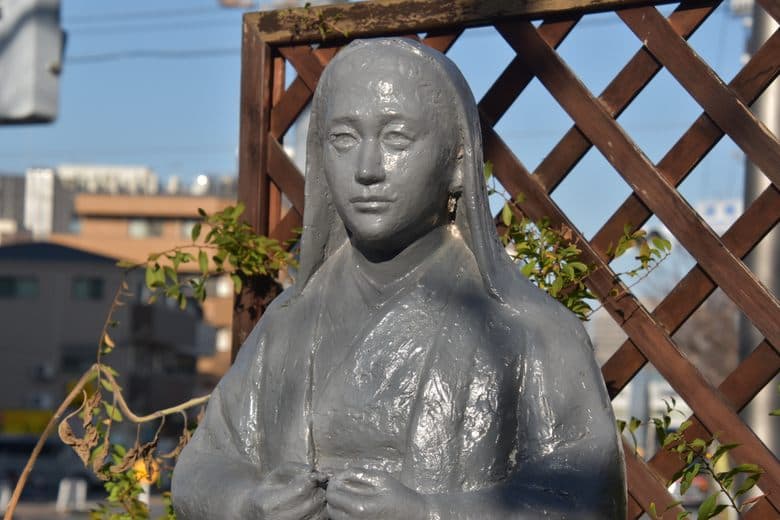
The Lucky Dragon and Atomic Tuna Memorial, located within Yumenoshima Park, serves as a solemn reminder of the Daigo Fukuryu Maru incident of March 1954. This Japanese fishing boat and its crew were exposed to radioactive fallout from a US nuclear test on Bikini Atoll, leading to illness and one fatality. The event deeply impacted public consciousness in post-war Japan, highlighting the dangers of nuclear weapons and contamination, and even partially inspired the original Godzilla film. The memorial and adjacent museum preserve the actual hulk of the Lucky Dragon, offering a tangible connection to this historical tragedy.
Visitors consistently praise the memorial for its quiet, reflective atmosphere and its educational value. Many note that it provides a powerful, often overlooked, perspective on the human cost of nuclear testing and the broader implications for Japan. The museum's exhibits are considered informative, detailing the crew's experience and the subsequent public reaction. While not a bustling tourist spot, those who seek out this memorial appreciate its profound historical significance and the opportunity for contemplation it offers.
To make the most of your visit, allocate about 1-2 hours to explore both the memorial marker and the museum. It's a relatively small site, but the depth of its story warrants thoughtful engagement. Consider visiting during cooler parts of the day, as the park can be warm, especially in summer. There are no specific items to bring beyond what you'd typically carry for a park visit, such as water. The site is generally accessible, making it suitable for most visitors.
The memorial is conveniently located within Yumenoshima Park. The easiest way to reach it is by public transport. Take the Tokyo Metro Tozai Line to Shinkiba Station. From there, it's approximately a 10-minute walk to the memorial and museum. Clear signage within the park helps guide visitors to the site. Driving is also an option, with parking available in Yumenoshima Park, though public transport is often recommended for ease of access in Tokyo.
Common complaints are few, primarily revolving around the memorial's somewhat remote location for those not specifically interested in the topic, or its relatively small scale compared to other Tokyo attractions. To mitigate this, ensure your visit aligns with a genuine interest in the history or the park itself. It's not a destination for casual sightseeing but rather for those seeking a deeper historical understanding.