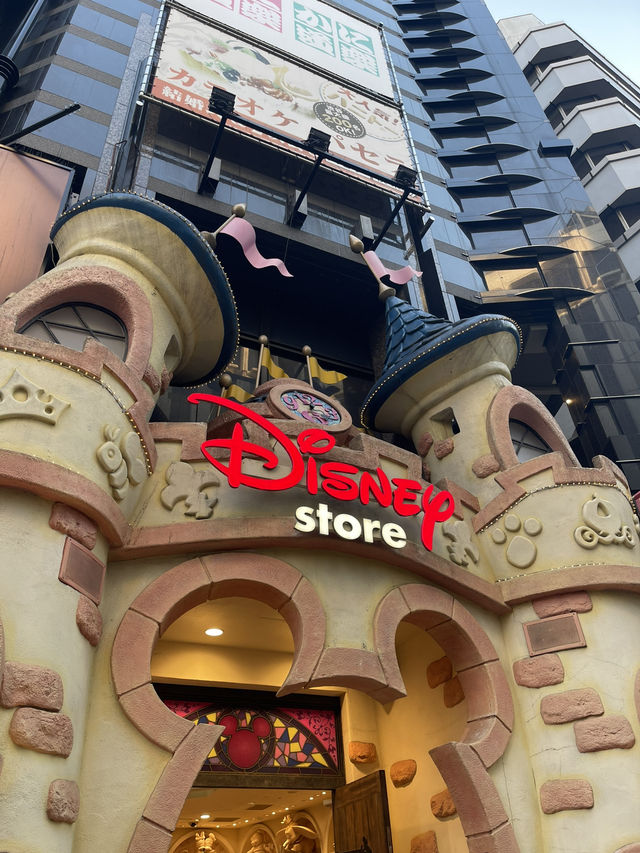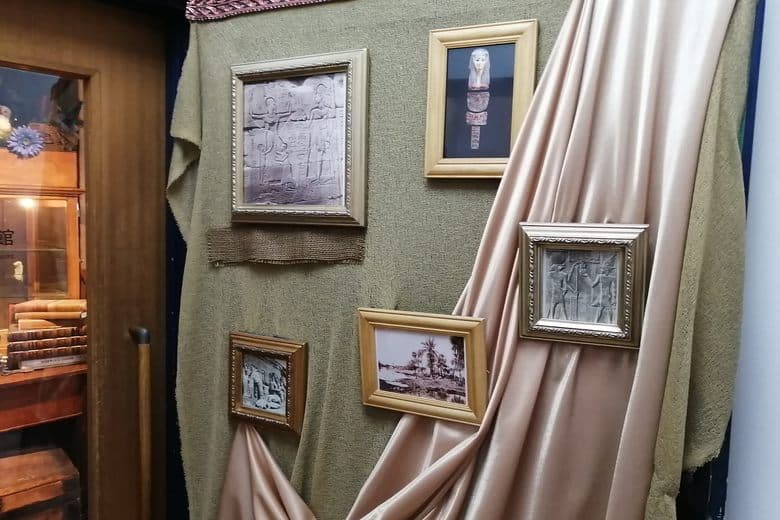
The Ancient Egypt Museum of Shibuya is a surprisingly comprehensive collection of over a thousand Ancient Egyptian artifacts, tucked away on the eighth floor of a building amidst the bustling Shibuya district. It stands out as a unique cultural offering in Tokyo, providing a deep dive into a civilization far removed from Japan's own history. The museum's creators aimed for an immersive experience, making it a distinctive destination for those interested in Egyptology.
Visitors consistently praise the museum's creative presentation and atmospheric design. Many reviewers highlight the introductory film and the provided explorer's flashlight, which enhances the feeling of entering a tomb, especially in the darkened sections of the exhibit. The collection, featuring mummified remains and numerous other artifacts, is considered extensive for a private museum of its size. The ambient music also contributes significantly to the overall mood, making the exploration feel more engaging.
To make the most of your visit, plan to spend approximately 1.5 to 2 hours exploring the exhibits. It is advisable to go during off-peak hours to fully appreciate the quiet, immersive atmosphere, as the space is relatively small. While the introductory video is available in English, be aware that artifact plaques are primarily in Japanese, so consider using a translation app if you wish to understand the detailed descriptions. Bringing a small, personal flashlight might be useful for examining details in the darker areas, though the museum provides one.
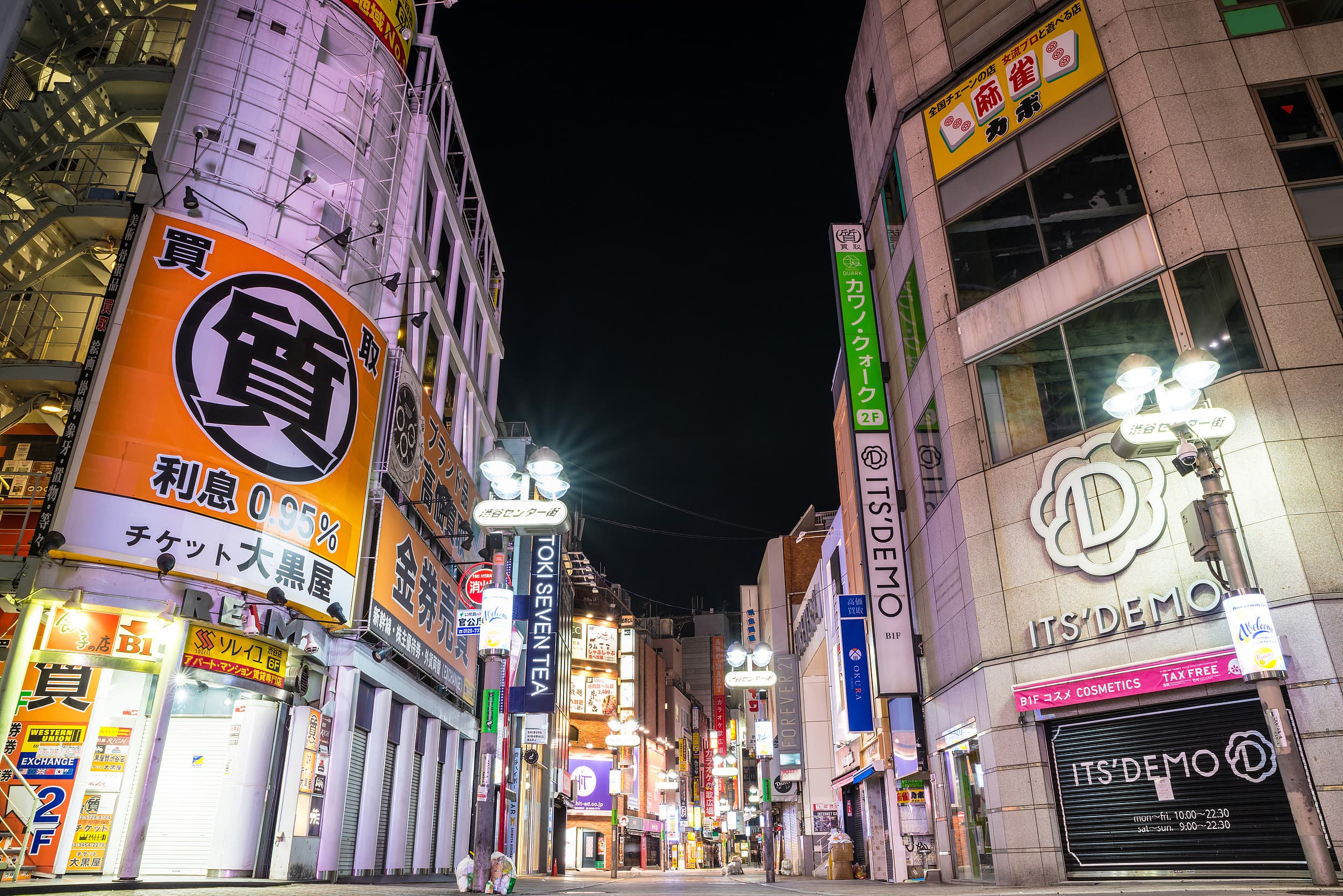
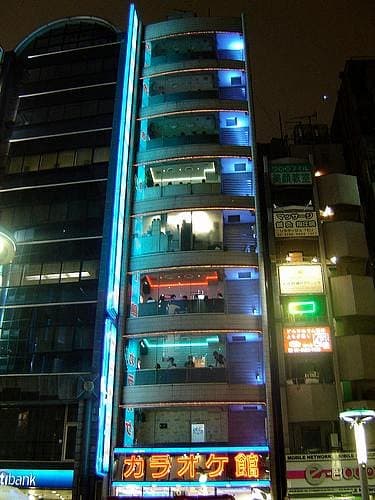
The museum is located on the eighth floor of a building near a busy Shibuya intersection. The most convenient way to reach it is by public transport. Take the train to Shibuya Station, which is a major hub served by multiple JR and subway lines (e.g., Yamanote Line, Hanzomon Line, Ginza Line, Fukutoshin Line). From Shibuya Station, the museum is typically a 5-10 minute walk. Look for the building on the main thoroughfare; its entrance might be subtle. Given its central location, driving is generally not recommended due to heavy traffic and limited, expensive parking options.
A common point raised by visitors is the admission fee, which some consider a bit pricey by Japanese standards for a museum of its size. However, many feel the unique and immersive experience justifies the cost. To mitigate this, ensure you allocate sufficient time to explore thoroughly and engage with the exhibits, rather than rushing through. Also, be prepared for the Japanese-only artifact descriptions, which can be a minor frustration for non-Japanese speakers, but does not detract from the visual experience of the artifacts themselves.