The Yokai Yashiki, or Monster and Stone Museum, is a distinctive attraction nestled in the remote Iya Valley of Tokushima Prefecture. It serves as a cultural repository, preserving the rich folklore of Japan's unique yokai (monsters, demons, and spirits) while also showcasing the geological wonders of the surrounding region. This dual focus makes it an unusual yet engaging stop for those interested in both supernatural tales and natural history.
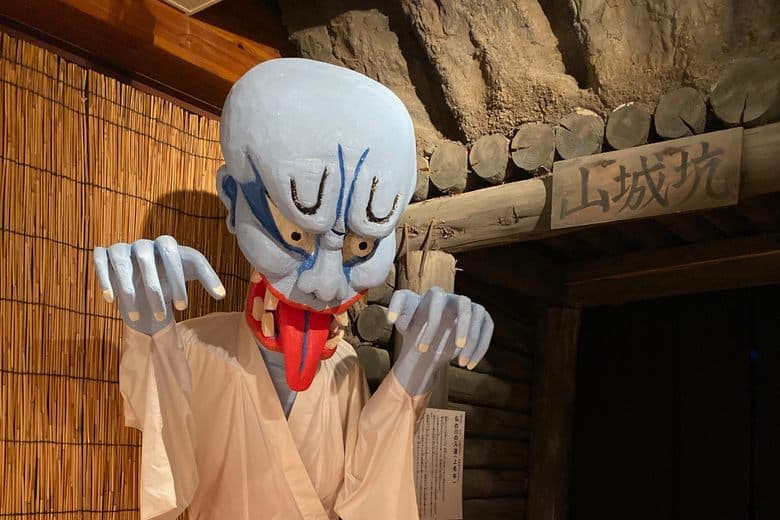
Visitors consistently praise the museum's quirky charm and the immersive experience it offers. Many enjoy the papier-mâché representations of yokai and the maps detailing their supposed sightings. The spooky, monster-filled tunnel is a highlight for those seeking a mild thrill, providing a memorable, interactive element. The second floor, dedicated to geology, is also well-received, with its detailed diorama of the province, fluorescent gem room, and exhibits on meteorites. Reviewers often mention the opportunity for fun photo-ops with kappa figures and the interesting local goods available in the gift shop.
To make the most of your visit, plan to spend approximately 1-2 hours exploring both floors. It's advisable to visit during daylight hours, as the remote location can be less accessible after dark. Consider combining your visit with other attractions in the Iya Valley, such as the vine bridges or hot springs, as the museum is a relatively small stop. If you're particularly interested in yokai, aim for mid-November when the neighboring town hosts an annual yokai festival, enhancing the overall cultural experience.
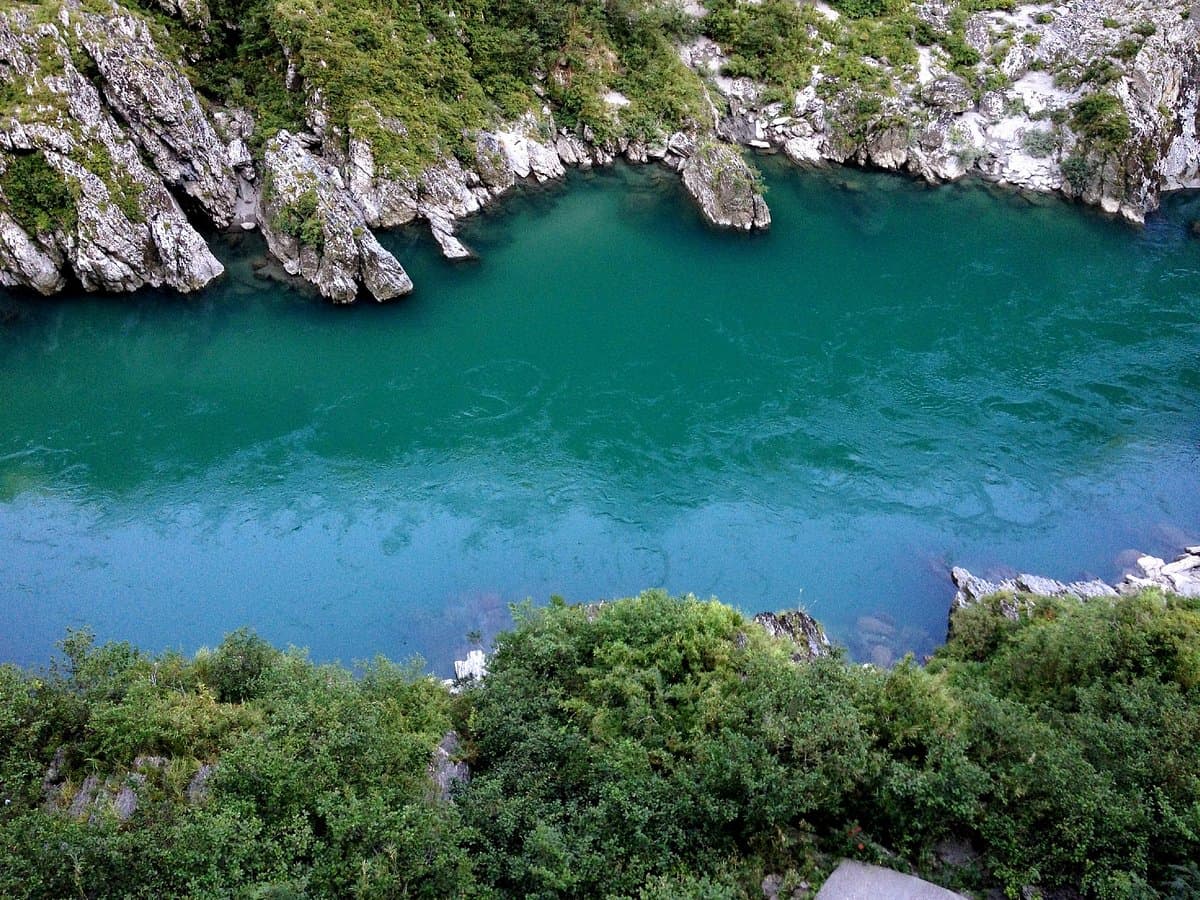
The museum is located above the Yoshino River in the Iya Valley. Due to its remote location, public transport options are limited. Most visitors arrive by car, and parking is generally available on-site. It's recommended to use a GPS or detailed map for navigation, as signage might be sparse in some areas of the valley. Driving allows for flexibility to explore other nearby attractions.
A common observation is the museum's relatively small size. Some visitors, expecting a larger institution, might find it brief. To mitigate this, adjust your expectations and appreciate it as a charming, focused collection rather than a sprawling museum. Additionally, while some exhibits have English explanations, not all do, which might be a minor complaint for non-Japanese speakers. However, the visual nature of many displays still allows for enjoyment.