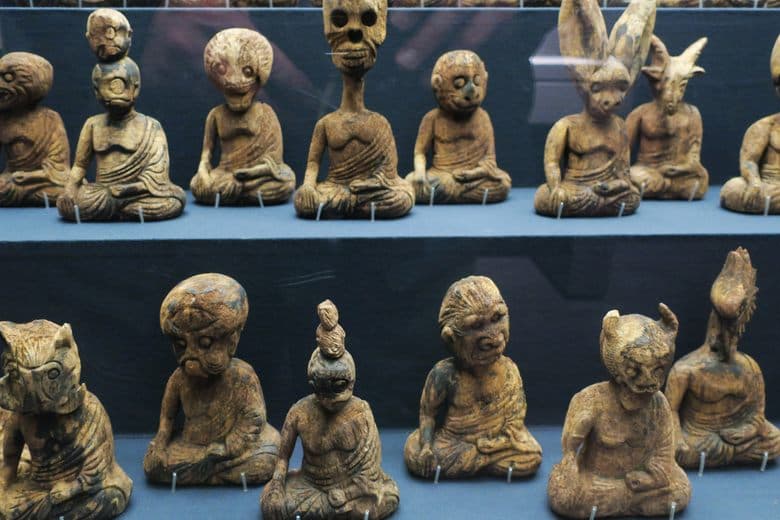
The Miyoshi Mononoke Museum, also known as the Yumoto Koichi Memorial Japan Yokai Museum, is a pioneering institution as Japan's first public museum solely dedicated to yokai, the traditional Japanese spirits and supernatural beings. Opened in 2019 in Miyoshi, Hiroshima Prefecture, it houses an extensive collection of nearly 5,000 yokai-themed items, spanning centuries from the 1700s to the present day. This museum is significant for preserving and showcasing a crucial aspect of Japanese folklore and cultural heritage.
Visitors consistently praise the museum's comprehensive collection and the engaging way it presents the world of yokai. Many find the sheer volume and variety of artifacts, from ancient scrolls like Toriyama Sekien's 1776 bestiary to modern toys and sculptures, to be a highlight. The interactive exhibits are frequently mentioned as a positive, making the museum enjoyable for both children and adults. Reviewers often describe the experience as unique and educational, offering a fascinating glimpse into a lesser-known aspect of Japanese culture. The gift shop, with its wide array of yokai-themed merchandise, is also a popular feature, allowing visitors to take a piece of the experience home.
For a fulfilling visit, allocate at least 2-3 hours to explore the museum thoroughly, especially if you wish to engage with the interactive stations and browse the gift shop. The museum is open daily from 9:30 a.m. to 5 p.m., except on Wednesdays. To make the most of your trip, consider visiting on a weekday morning to avoid potential crowds, although the museum is generally not overly busy due to its slightly off-the-beaten-path location. Bringing a camera is recommended for capturing the unique exhibits, but always check for any photography restrictions.
The museum is located in Miyoshi, Hiroshima Prefecture. While it is "a bit off the beaten path," as noted by Atlas Obscura, it is accessible. Specific public transport details are not widely highlighted in reviews, suggesting that visitors often travel by car or combine it with other regional sightseeing. If relying on public transport, research local bus routes from Miyoshi Station, which is the most likely hub. Driving offers the most flexibility, and parking is generally available at such attractions in more rural areas. Always confirm the most current transport options and schedules before your visit.
A common point to consider is the museum's location, which some might find remote. To mitigate this, plan your visit as part of a larger itinerary in the Hiroshima region, perhaps combining it with other attractions in Miyoshi or nearby areas. Ensure you have clear directions, especially if driving, as navigation can be challenging in less urbanized areas. While there are no significant complaints about the museum itself, the journey to get there might require extra planning.