The Yamaha Communication Plaza serves as a comprehensive museum dedicated to the history and innovations of the Yamaha Corporation. It's a significant destination for anyone with an interest in motorcycles, engineering, or the evolution of a major global brand, showcasing not only motorcycles but also a diverse range of products from musical instruments to industrial machinery.
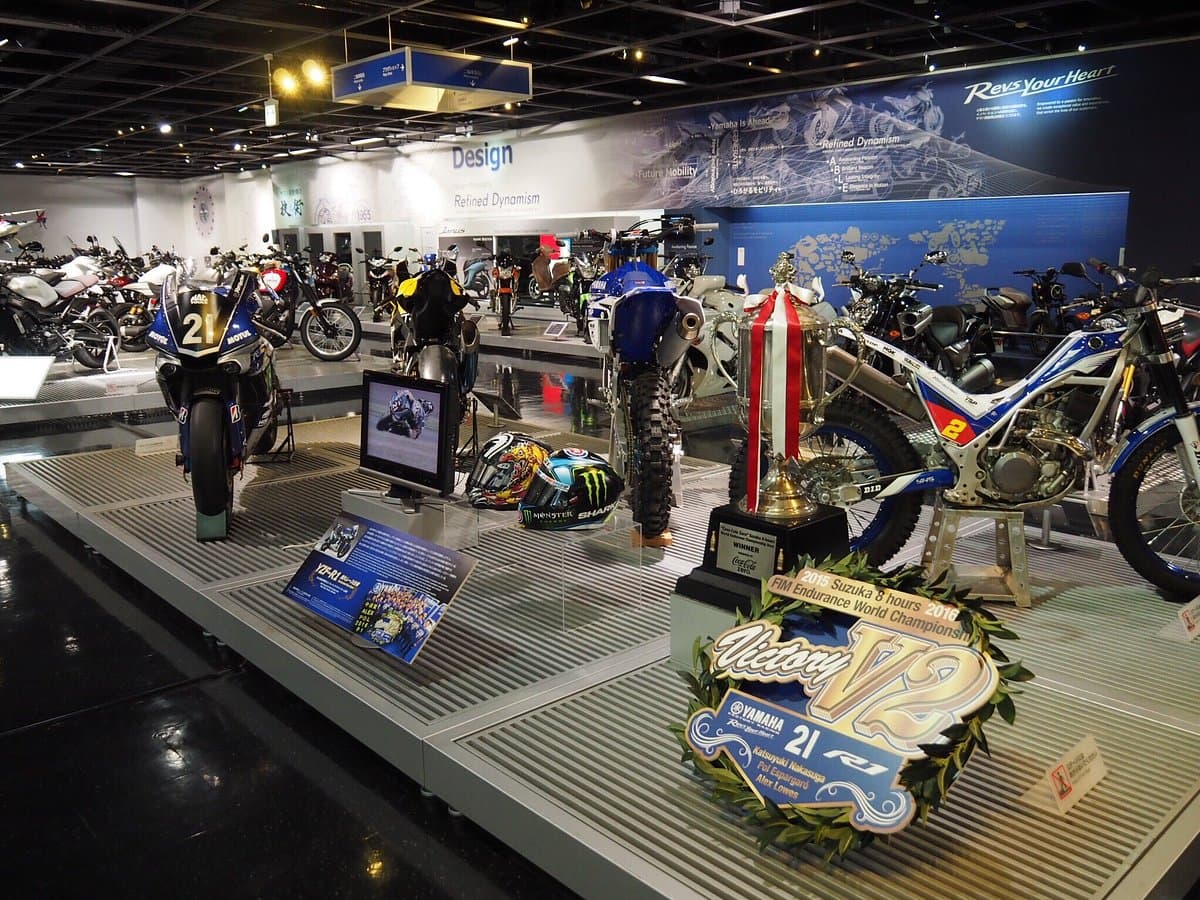
Visitors consistently praise the extensive and well-curated collection, which spans from Yamaha's very first motorcycle to contemporary superbikes and championship-winning racing machines, including those ridden by legends like Valentino Rossi and Wayne Rainey. Many appreciate the opportunity to see the brand's evolution and the sheer variety of items Yamaha has produced. The fact that admission is free is frequently highlighted as a major positive, making it an accessible attraction for all. Several reviewers mention the interactive elements, such as motorcycles one can sit on and a ride simulator, enhancing the visitor experience.
To make the most of your visit, allocate at least 2-3 hours to explore the exhibits thoroughly. It's advisable to check the official website for opening hours before planning your trip, as these can vary. While the museum is free, there is a shop for branded merchandise and a restaurant on-site for refreshments. Some visitors recommend aiming for a weekday to avoid potential crowds, though it generally doesn't get overly busy. Be aware that some older models or specific historical items might not always be on display, which can be disappointing for those seeking particular pieces.
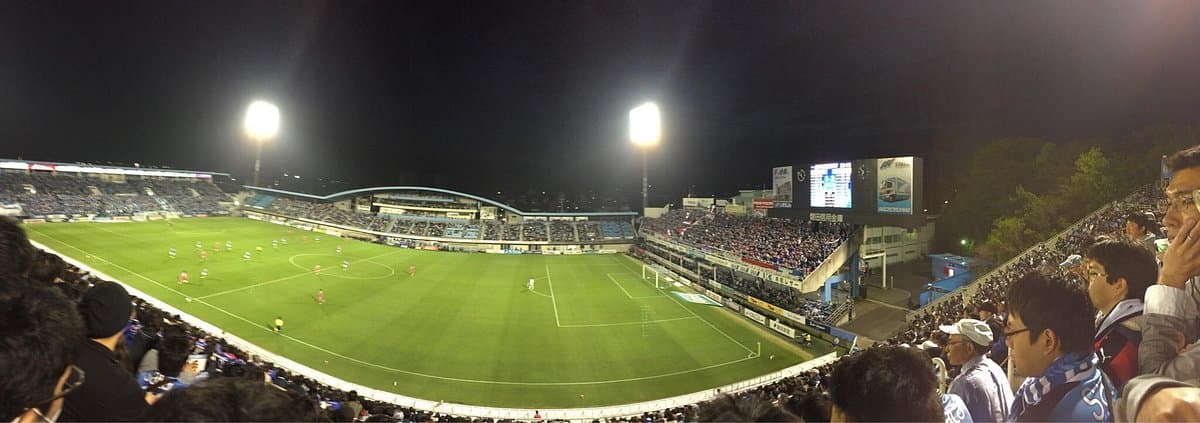
Getting to the Yamaha Communication Plaza requires a bit of travel, but it is well-documented by visitors. From Tokyo, take a Hikari Shinkansen to Hamamatsu Station. From Hamamatsu, transfer to a local train for a few stops to Iwata Station. From Iwata Station, take bus #25 from bus stop pole #2 and alight at the "Yamaha Hatsudoki" stop. Alternatively, some visitors note it's about a 15-minute walk south from JR Mikuriya Station, with banners for Yamaha Stadium (home of Júbilo Iwata) making the route easy to follow on foot. Driving is also an option, as the location is associated with the Yamaha factory.
A common complaint, though not widespread, is that the ride simulator might feel basic or that specific historical models are not always present. To mitigate this, manage expectations regarding the simulator's sophistication and understand that the collection is vast and rotates. If you have a particular interest in a very specific, older model, it might be worth checking with the plaza beforehand, though the general collection is comprehensive enough to satisfy most enthusiasts.