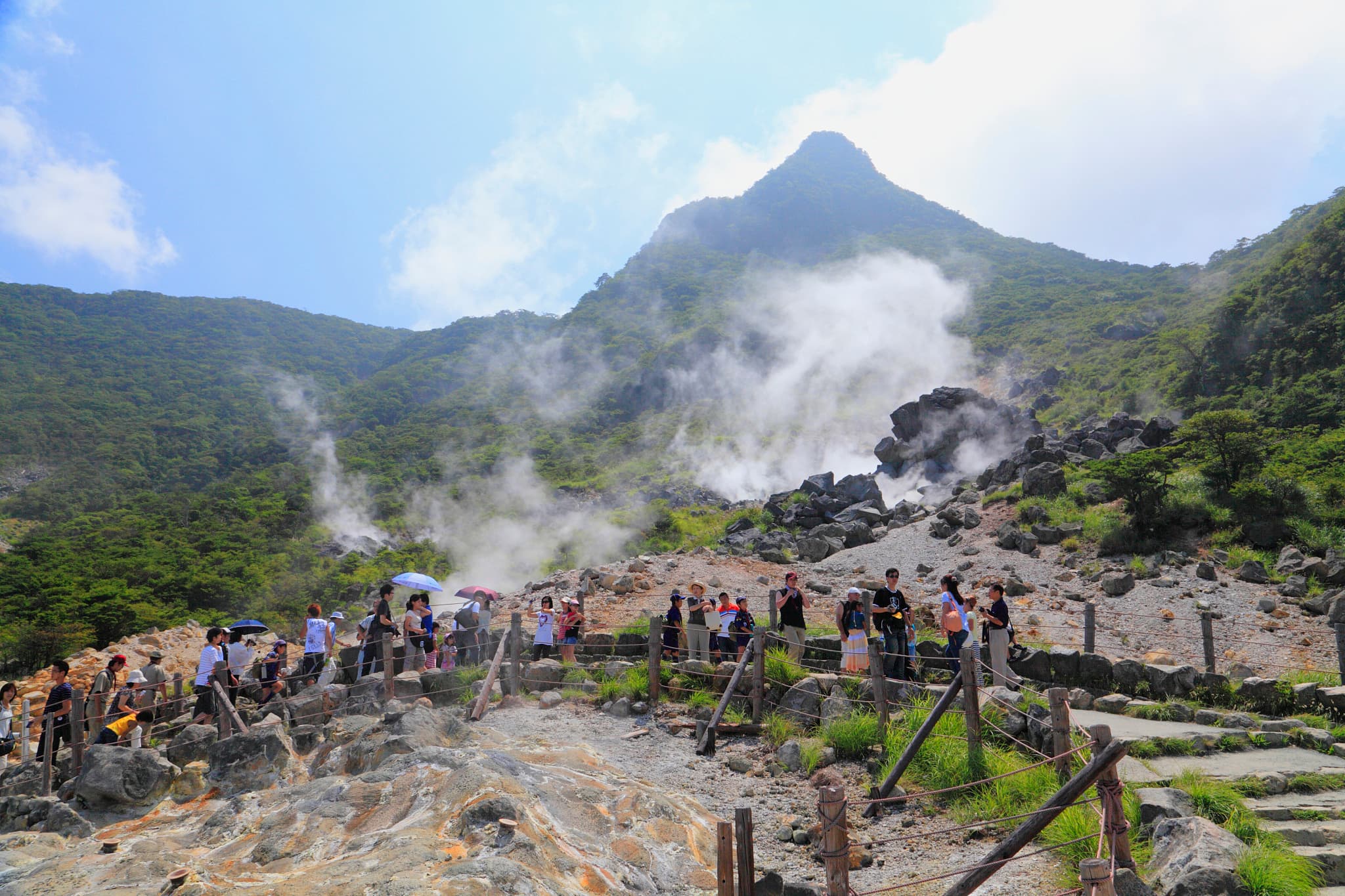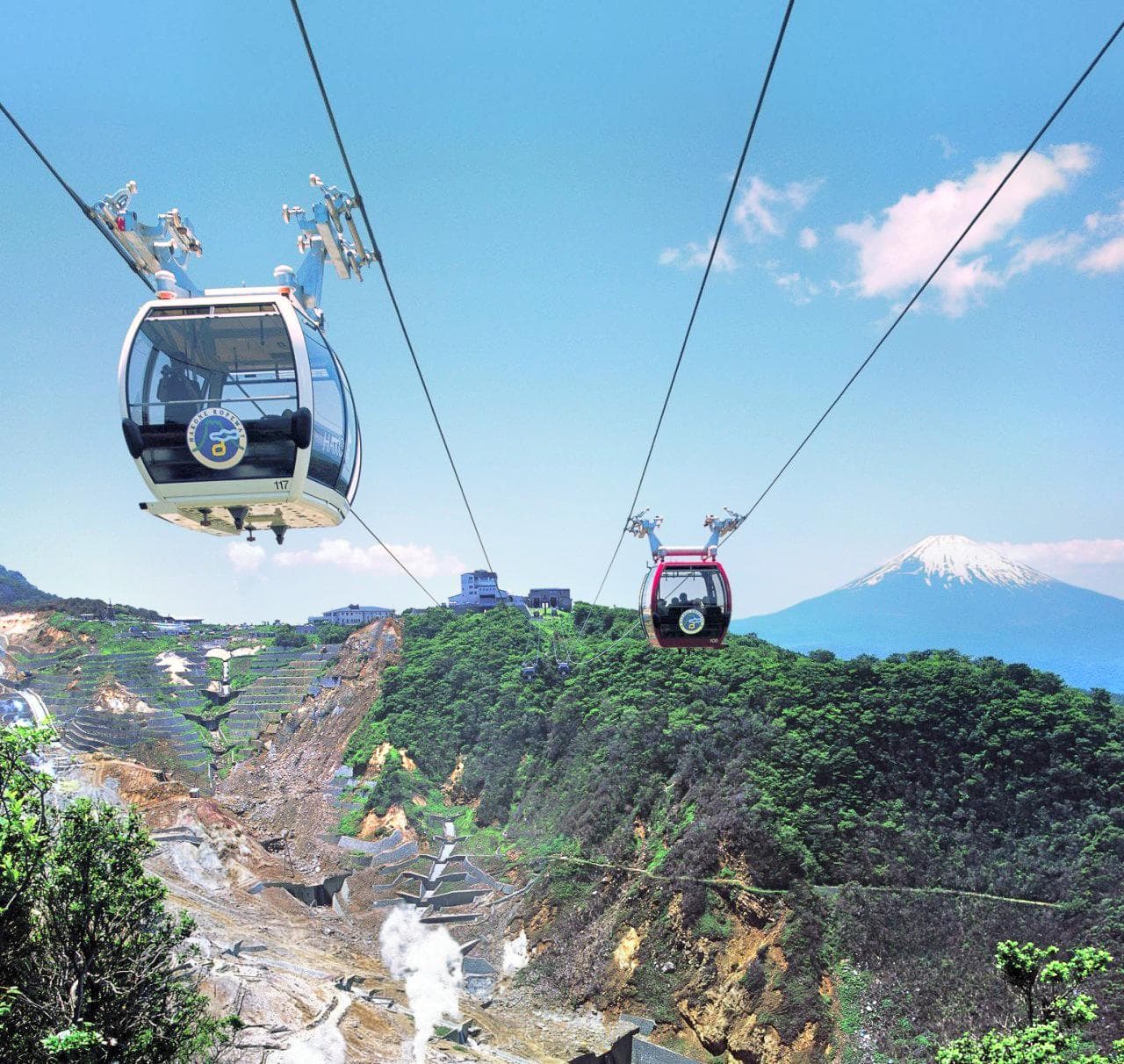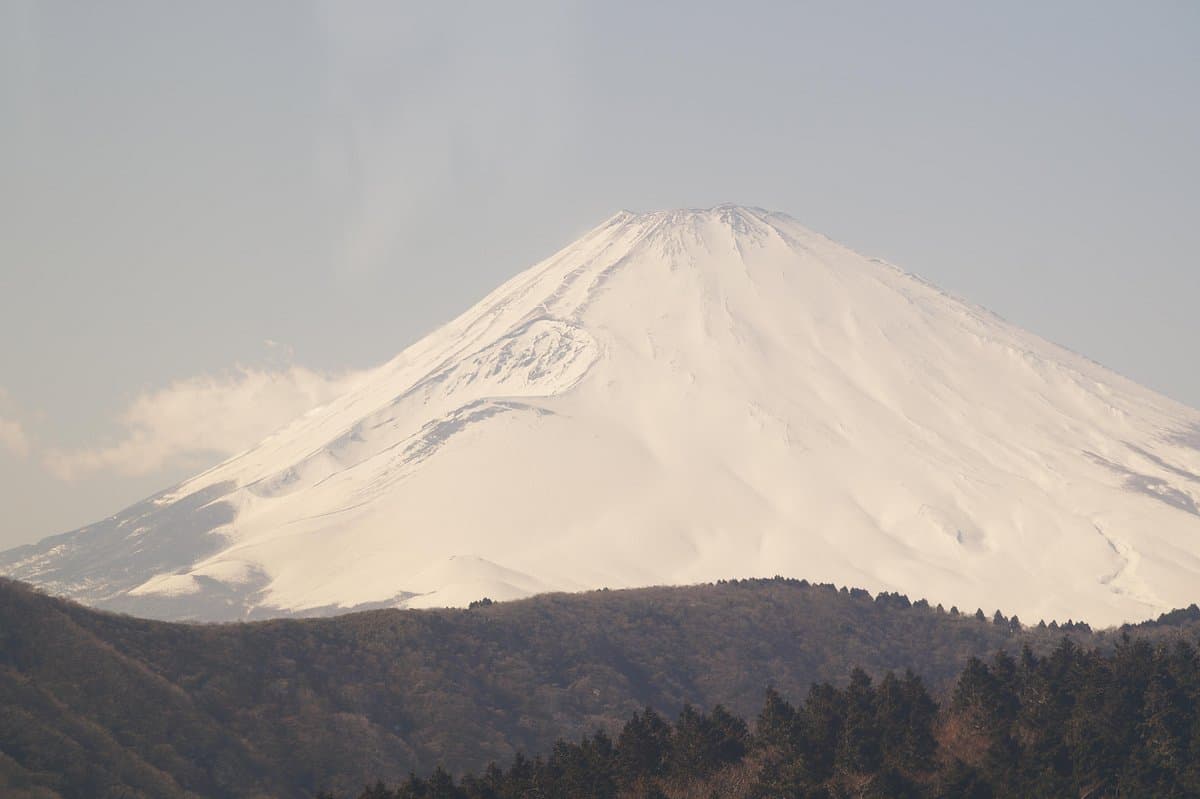
Fuji-Hakone-Izu National Park is not a single, compact park but rather a collection of dispersed tourist sites across a vast region, including the iconic Mt. Fuji, the scenic Hakone area with its lakes and volcanic activity, the beautiful Izu Peninsula, and the remote Izu Islands. This UNESCO World Heritage site offers a unique blend of natural wonders, cultural experiences, and recreational activities, making it a significant destination for both domestic and international tourists.
Visitors consistently praise the park's diverse offerings, highlighting the majestic views of Mt. Fuji (when visible), the relaxing hot springs, and the engaging transport options like the Hakone Ropeway and pirate ship cruises on Lake Ashi. Many reviewers enjoy the variety of activities, from hiking trails and shrines to tasting the famous "black eggs" at Owakudani. The convenience of multi-day passes, such as the Hakone Free Pass, is frequently mentioned as a cost-effective way to explore the area. However, a recurring theme in reviews is the unpredictable weather, which often obscures views of Mt. Fuji. Several visitors express disappointment when clouds or rain prevent them from seeing the mountain, emphasizing that clear views are a matter of luck.
To make the most of your visit, plan for at least two to three days, as many reviewers found a single day insufficient to experience the park's vastness. Consider staying overnight in Hakone to enjoy the hot springs and increase your chances of a clear morning view of Mt. Fuji. Pack layers of clothing, as temperatures can vary, especially at higher elevations. Bring comfortable walking shoes for exploring trails and sites. While the "black eggs" are a popular tourist novelty, some visitors found them overrated; manage your expectations. The best time to visit for clear Mt. Fuji views is typically during the colder, drier months from late autumn to early spring. Climbing Mt. Fuji is generally possible from July to early September.
The park is highly accessible from Tokyo. Many visitors recommend taking the Shinkansen to Odawara Station, then transferring to the Hakone Tozan Railway to Gora, followed by cable cars and ropeways to reach various attractions. The "Romance Car" from Shinjuku Station is another popular direct option. For those exploring the wider park, a car can be beneficial, especially for the Izu Peninsula, but public transport within Hakone is extensive and well-connected. Reviewers often mention purchasing a Hakone Free Pass at Shinjuku Station or Odawara, which covers most local transportation within the Hakone loop (trains, funicular, cable car, boat, bus) and offers discounts on attractions. Be aware that roads to Mt. Fuji's 5th station can be icy in winter, limiting access.
The most common complaint is the difficulty in seeing Mt. Fuji due to cloud cover or fog. To mitigate this, check weather forecasts diligently before your trip and consider flexibility in your itinerary. Some visitors suggest arriving early in the morning for the best chance of clear views. Volcanic activity can occasionally close parts of the park, so it's wise to check for local advisories. While the park offers many activities, some, like the "black eggs," are perceived as tourist traps; focus on the natural beauty and diverse transport experiences for a more fulfilling visit.