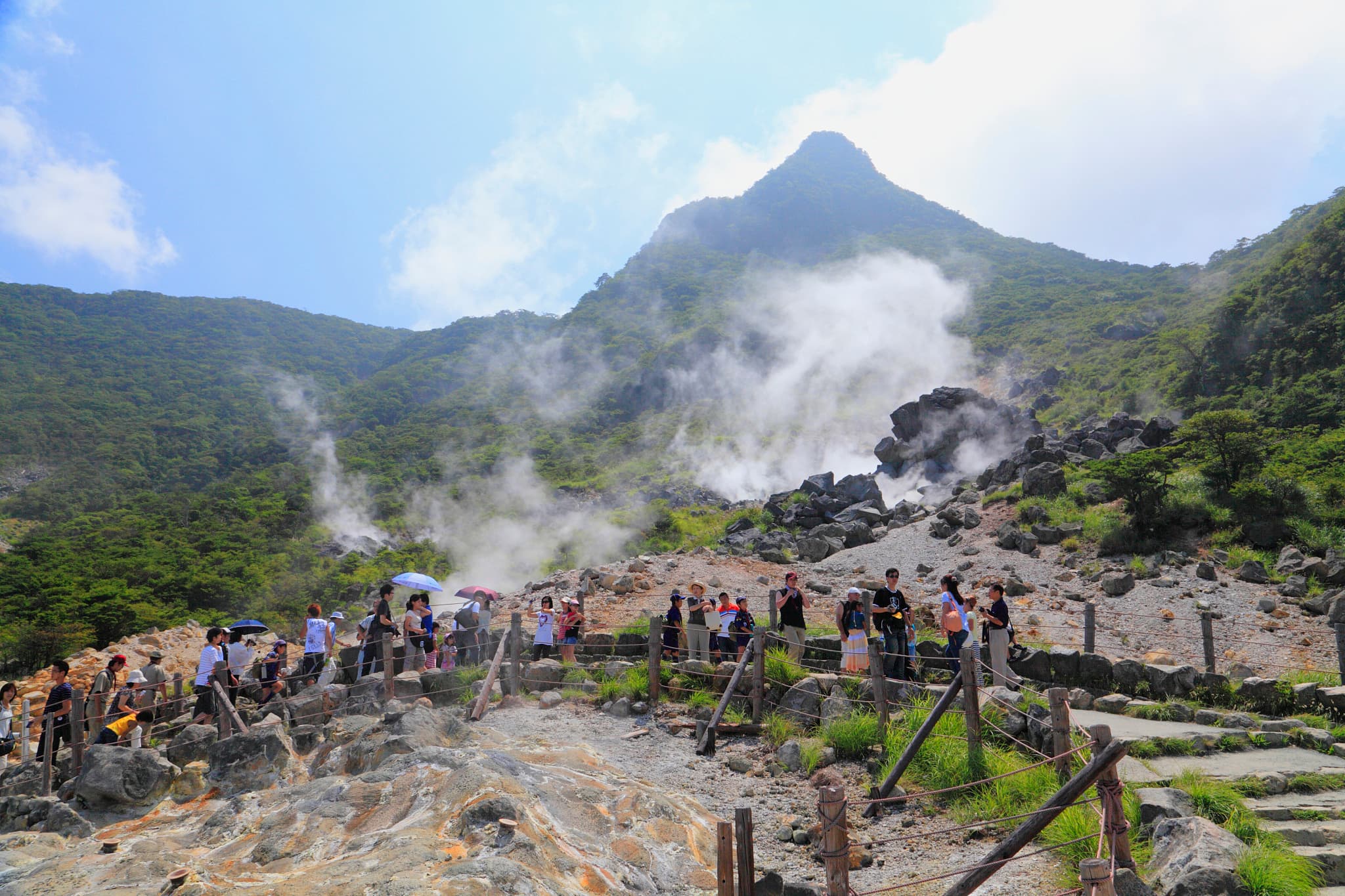
Owakudani Valley is a geologically active volcanic zone formed by the last eruption of Mount Hakone some 3,000 years ago. It serves as a powerful reminder of the earth's dynamic forces, with sulfurous fumes, steam vents, and hot springs creating a unique, almost otherworldly landscape. This area is not just a scenic stop; it's a living geological exhibit that provides a direct connection to Japan's volcanic origins.
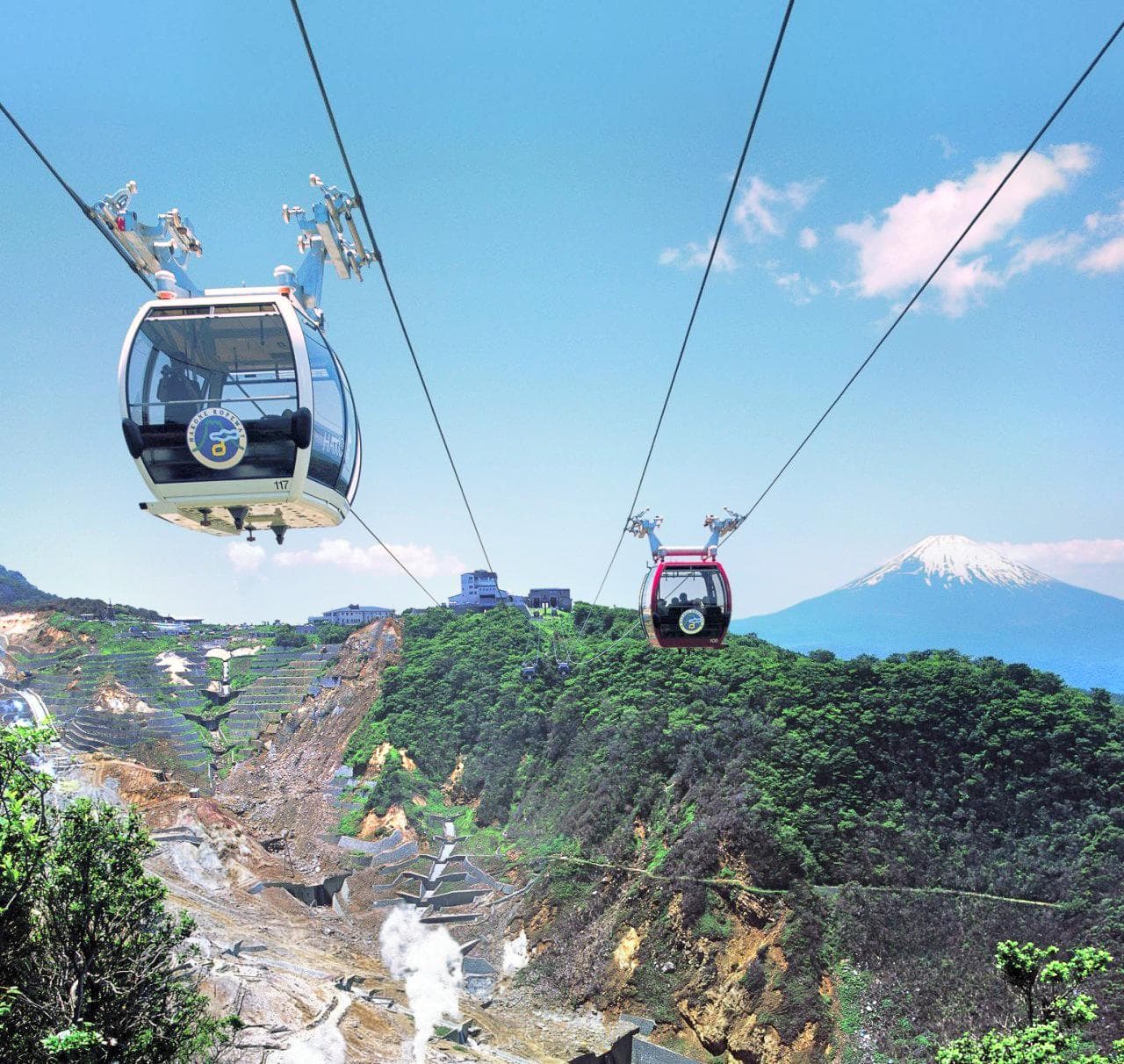
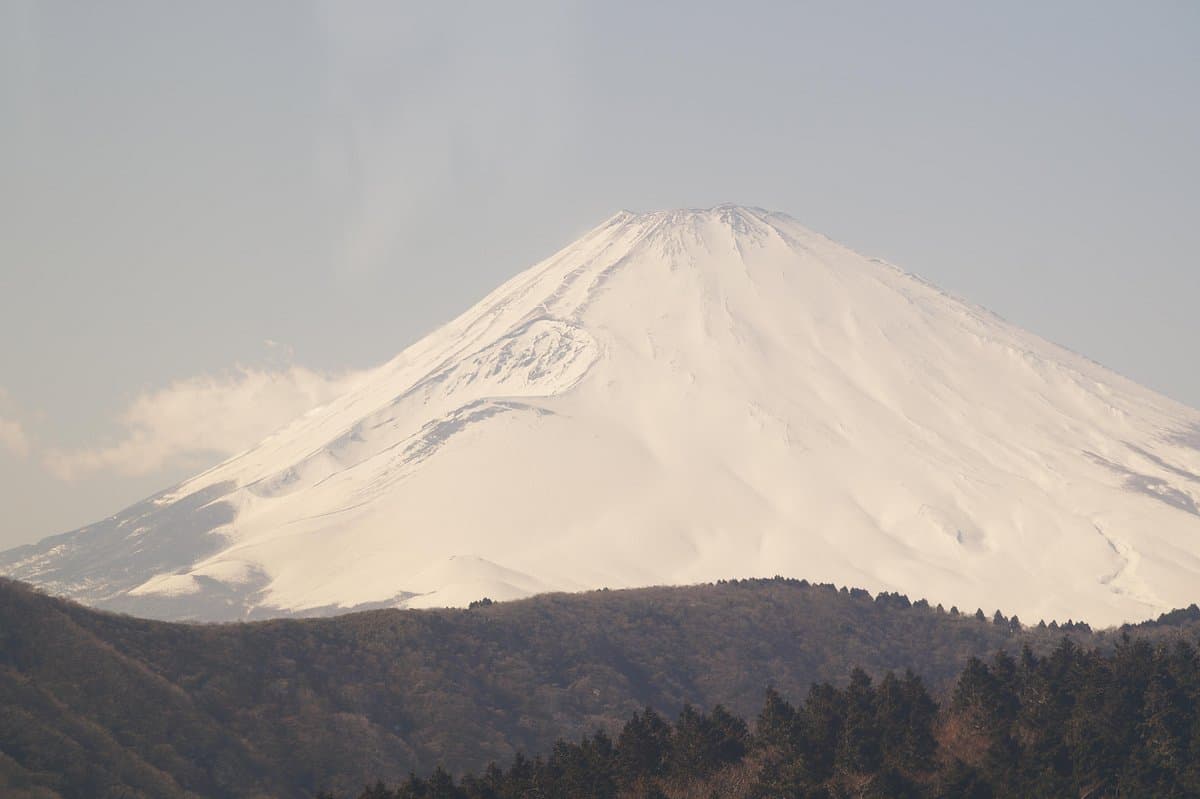
Visitors consistently praise the dramatic views, especially from the Hakone Ropeway, which offers panoramic vistas of the steaming valley and, on clear days, a magnificent sight of Mount Fuji. The distinctive smell of sulfur is a common theme in reviews, with many finding it an integral part of the experience, though some sensitive individuals might find it strong. The famous "black eggs" (Kuro Tamago), boiled in the sulfurous hot springs, are a must-try for most, despite tasting like regular hard-boiled eggs. Reviewers often mention the folklore that eating one extends one's life by seven years, adding a fun, quirky element to the visit. The Hakone Geo Museum is also frequently recommended for those interested in learning more about the area's geology.
To make the most of your visit, consider going on a clear day for the best chance to see Mount Fuji. Many reviewers advise arriving early, especially on weekends or holidays, to avoid the large crowds and potential traffic jams for parking. While the black eggs are popular, some visitors note limited food options beyond them, so bringing snacks might be advisable, especially for those with dietary restrictions. The area can be very windy and cold, even in milder seasons, so dressing in layers is recommended. Some paths, particularly hiking trails, may be closed due to volcanic activity or weather conditions, so checking the official website beforehand is crucial.
Owakudani is best accessed as part of the Hakone Loop, primarily via the Hakone Ropeway. The ropeway offers spectacular aerial views of the valley. Reviewers frequently mention taking the ropeway from Togendai Station (near Lake Ashi) or Sounzan Station. If driving, be aware of potential traffic congestion, especially for parking. Parking fees are typically 500 yen for two hours on weekdays and 1000 yen on holidays. Public transport is generally preferred by visitors, with the Hakone Free Pass making the journey seamless across various modes of transport including trains, buses, cable cars, and the ropeway. Some sections of the railway or ropeway may be replaced by bus services due to maintenance or seismic activity, so verify transport options in advance.
Common complaints revolve around crowds, especially at peak times, and the strong sulfur smell. To mitigate these, visit during off-peak hours or weekdays. For those sensitive to sulfur, some reviewers mention that masks were provided by the ropeway staff, or suggest bringing your own. Another frequent issue is poor visibility on cloudy or foggy days, which can obscure the views of Mount Fuji and the valley itself, leading to disappointment. Checking the weather forecast before your visit is highly recommended to ensure a clear day for optimal viewing.