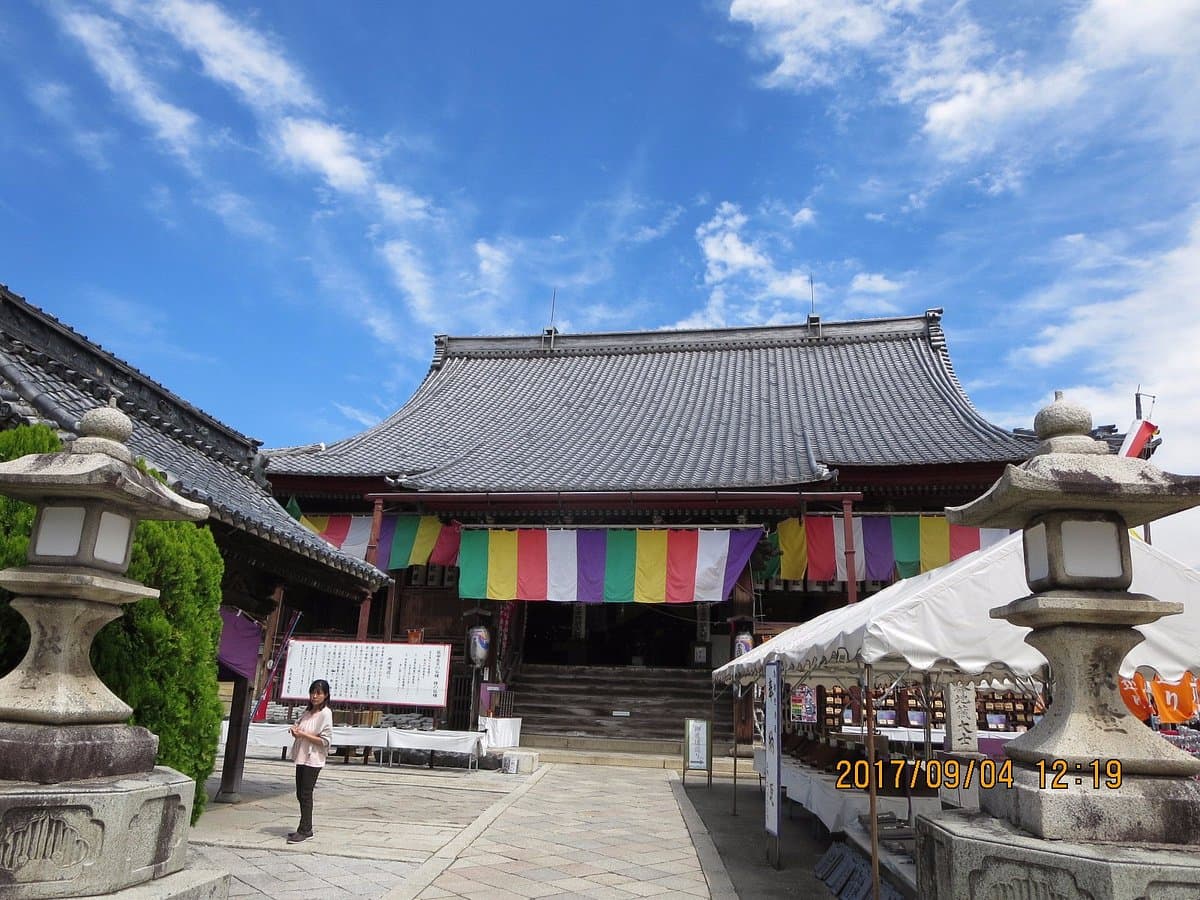
Kinomotojuku is a historical post station town located in Nagahama, Shiga Prefecture, that played a significant role in ancient Japan's transportation network. It prospered as a key intersection on the Hokkoku street to Kyoto and the Hokkoku Wakiokan, an important bypass to Edo. This historical significance means the town retains much of its traditional charm and architectural heritage, offering a window into the Edo period's travel and commerce.
Visitors consistently note the town's historical atmosphere and the sense of stepping back in time. The preserved streets and traditional buildings, including former inns and 'Honjin' accommodations for high-ranking travelers, are frequently praised for their authenticity. While specific reviews are limited, the general sentiment suggests an appreciation for the quiet, reflective experience offered by the town, contrasting with more bustling modern attractions.
To fully appreciate Kinomotojuku, visitors should allocate approximately 1 to 2 hours for a leisurely stroll. The best time to visit is during daylight hours, preferably on a weekday to avoid potential local crowds, though the town is generally not heavily touristed. Comfortable walking shoes are recommended as exploration is primarily on foot. There are no specific items to bring beyond standard travel essentials, but a camera would be useful for capturing the historic scenery.
Kinomotojuku is located in the Kinomotocho Kinomoto Joshinji Area of Nagahama. While specific public transport details are not extensively mentioned in reviews, Nagahama is accessible by train. From Nagahama Station, local buses or a taxi would likely be required to reach Kinomotojuku. Driving is also an option, and local parking availability should be checked upon arrival, though the town itself is best explored on foot.
Common complaints are not widely documented, likely due to the limited number of reviews. However, visitors should manage expectations regarding the scale of the attraction; it is a small, historical town rather than a large-scale museum or theme park. Those seeking extensive modern amenities or high-energy entertainment might find it too quiet. To mitigate this, approach Kinomotojuku as a cultural and historical immersion, focusing on the details of its preserved past.