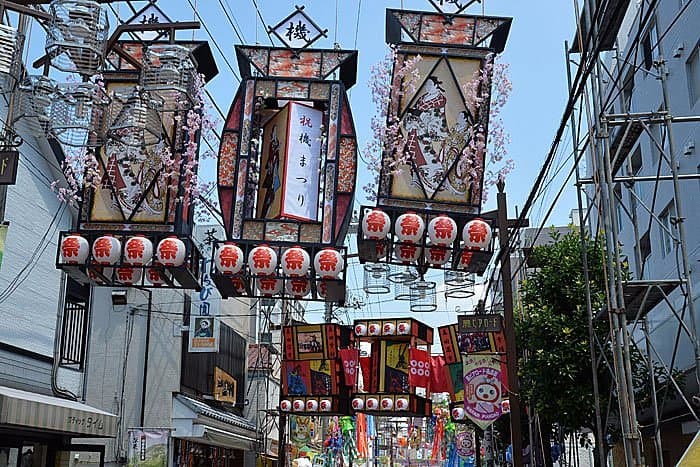
The Warabi Hata Matsuri, or Flag Festival, is a cherished local event in Warabi, Saitama Prefecture, that celebrates community and tradition. It's an opportunity to witness a less commercialized aspect of Japanese culture, distinct from the larger, more internationally renowned festivals. The festival's charm lies in its local flavor, offering a genuine insight into the daily life and customs of a Japanese town.
Visitors consistently praise the festival's lively and welcoming atmosphere. Many reviewers highlight the colorful display of 'hata' (flags) that adorn the streets, creating a visually striking experience. The variety of local food stalls, offering traditional festival fare, is also a recurring positive point, allowing attendees to sample regional delicacies. The sense of community and the opportunity to interact with locals are often mentioned as key takeaways, providing a more intimate cultural exchange than might be found at larger events. However, some visitors note that the festival can become quite crowded, especially during peak hours, which might be a consideration for those who prefer a more relaxed pace.
To make the most of your visit, it's advisable to arrive earlier in the day to avoid the largest crowds and to have ample time to explore the stalls and performances. Bringing cash is recommended, as many smaller vendors may not accept card payments. Comfortable walking shoes are essential, as you'll likely be on your feet for several hours. While the festival itself is the main attraction, consider exploring the surrounding Warabi area, which offers a glimpse into a typical Japanese suburban landscape. The festival is generally a daytime event, concluding in the early evening.
Warabi is accessible via public transport. The nearest station is Warabi Station on the JR Keihin-Tohoku Line. From Tokyo, it's a direct and relatively short train ride. Once at Warabi Station, the festival grounds are typically within walking distance, usually around 10-15 minutes, though specific routes might vary depending on the festival's exact layout each year. Look for signs or follow the crowds, which will often lead directly to the main festival areas. Parking can be limited and challenging during the festival, so using public transportation is highly recommended.
A common complaint, as mentioned, is the potential for large crowds. To mitigate this, consider visiting on a weekday if the festival spans multiple days, or arriving right at the opening time on a weekend. While the festival is generally well-organized, navigating through dense crowds can be challenging, especially for families with small children or those with mobility issues. Staying hydrated, particularly during warmer months, is also important.
