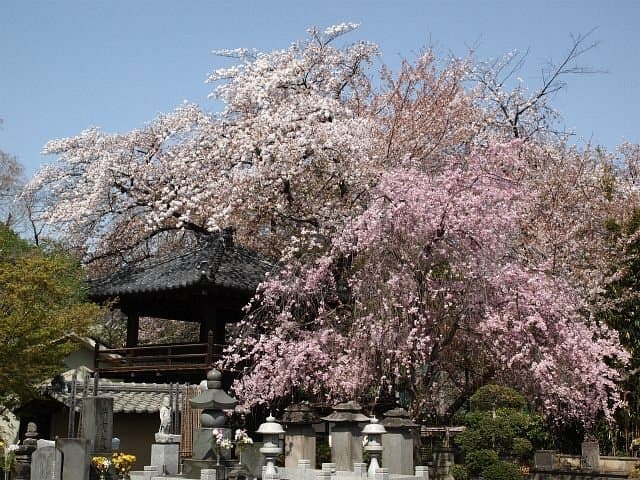
The Five Hundred Arhats (Gohyaku Rakan) at Kita-in Temple in Kawagoe represent a significant collection of Buddhist art, depicting the loyal disciples of Buddha. Sculpted between 1782 and 1825, these 538 stone statues are renowned for their individual expressions and human-like qualities, offering a unique glimpse into Edo-period craftsmanship and Buddhist philosophy. This site is considered one of Japan's three most popular arhat temples and is a key cultural highlight of Kawagoe.
Visitors consistently praise the individuality and expressive nature of each arhat, noting the joy in discovering figures that are laughing, crying, sneezing, or even picking their noses. Many reviewers highlight the endearing sense of humor and relatability found in these ancient sculptures, making the experience engaging and fun. The moss and lichen covering the statues add to their ancient charm, creating a serene and timeless atmosphere. While the Guest Hall, included with the ticket, prohibits photography, visitors appreciate being able to freely photograph the arhats in the sculpture garden.
To make the most of your visit, allocate approximately 1-2 hours to leisurely explore the sculpture garden and the Guest Hall. The best time to visit is during daylight hours, as the temple closes in the late afternoon. Bring comfortable shoes as you'll be walking around the garden. A camera is highly recommended for capturing the unique expressions of the arhats. Consider visiting during the spring or autumn for pleasant weather and beautiful scenery. The reception, where tickets are purchased, closes 30 minutes before the temple's official closing time, so plan to arrive well before then.
Kita-in Temple is located in Kawagoe, which is easily accessible from Tokyo. From Tokyo, take the Tobu Tojo Line from Ikebukuro Station to Kawagoe Station, or the Seibu Shinjuku Line from Seibu Shinjuku Station to Hon-Kawagoe Station. From either Kawagoe Station or Hon-Kawagoe Station, the temple is about a 15-20 minute walk, or a short bus ride. Local buses frequently run from the stations to stops near the temple. Driving is also an option, though parking might be limited, especially on weekends.
A common point to be aware of is the photography restriction inside the Guest Hall. While the arhats can be photographed, visitors should respect the rules for the historical buildings. Some visitors also note that while the arhats are fascinating, the overall temple complex might feel less grand than some other major temples in Japan. However, the unique charm of the arhats themselves more than compensates for this, making it a worthwhile stop.