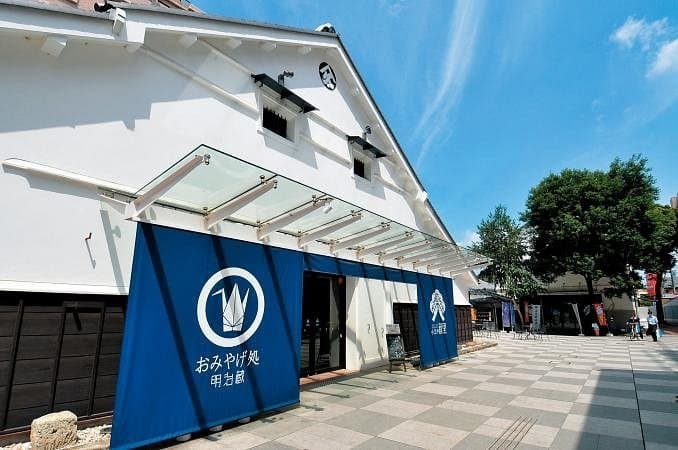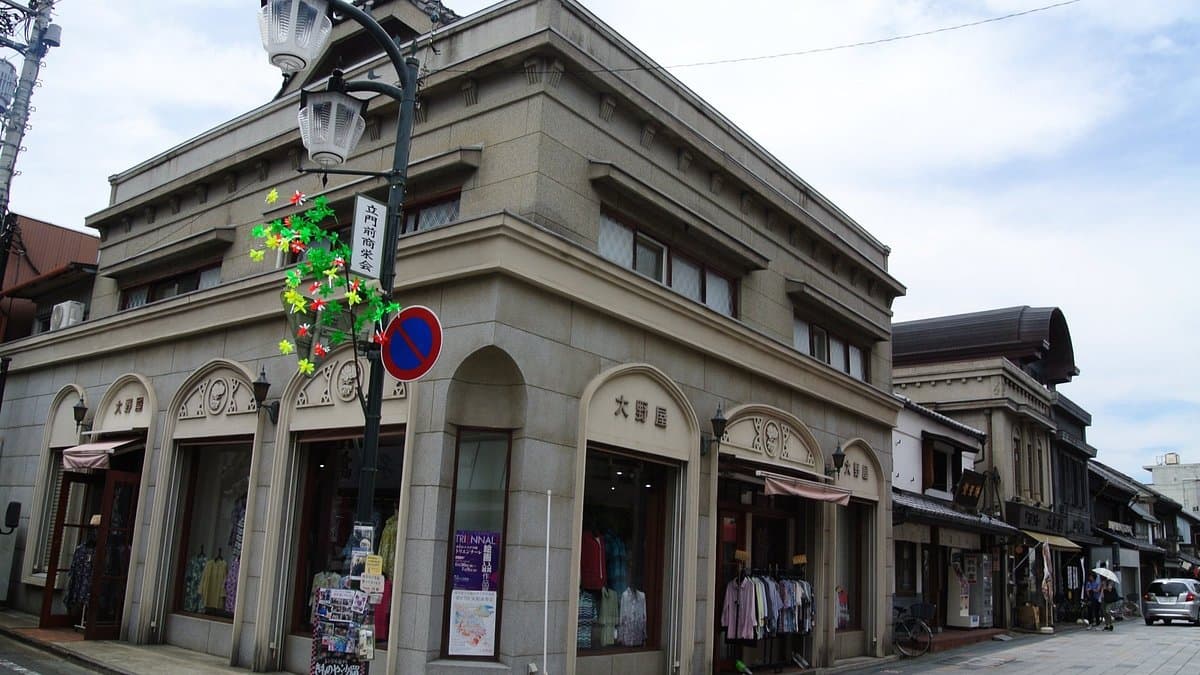
Taisho Roman Yume Dori is a distinctive street in Kawagoe, celebrated for its preserved architecture from the Taisho era (1912-1926). This period saw a fascinating blend of traditional Japanese design with Western influences, resulting in a unique streetscape that sets it apart from other historical areas. It offers a nostalgic journey into a prosperous time in Japan's past.
Visitors consistently praise the street's character and style, noting the "Japan-Western mix atmospheres" and the "sophisticated atmosphere" that makes walking around enjoyable. Many appreciate the presence of "long-established shops and old storehouses," which contribute to its historic charm. Reviewers often highlight that it's a "nice, clean and quiet side of the tourist spots in Kawagoe," offering a more relaxed experience away from the busier areas. Some shops allow for eating while walking, adding to the casual exploration.
To make the most of your visit, plan to spend about 1-2 hours exploring the street and its shops. It's particularly pleasant for a leisurely stroll, perhaps in the late morning or early afternoon when the shops are fully open but before peak crowds. Consider purchasing a day pass for public transport if you plan to explore multiple areas of Kawagoe, as this street is easily integrated into a wider itinerary. While there are shops selling commercial products, the primary draw is the architectural ambiance rather than extensive shopping.
The street is conveniently located and easily accessible on foot. Several reviewers mention it's "easy to go by walking" from Honkawagoe. One detailed account describes reaching it by continuing on the same street after leaving Crea Mall, passing Koedo Kurari (Kawagoe City and Industry and Tourism Centre) and a couple of intersections. For those using public transport, it is near the train station, and visitors can utilize a city bus with a day pass to reach the area.
While generally well-received, some visitors note that the street, despite its historical renovation, now houses modern commercial products. To mitigate this, focus on appreciating the architectural details and the overall atmosphere rather than expecting only traditional goods. The charm lies in the preserved buildings themselves and the unique historical context they represent.