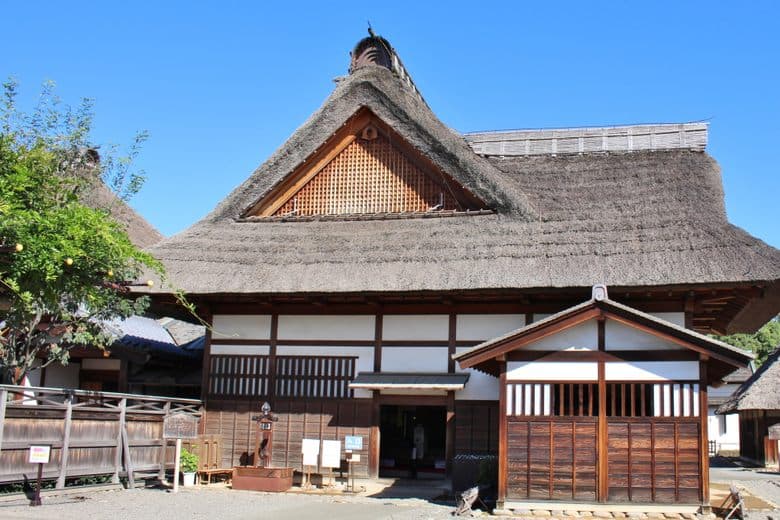
The Ashikaga School, often cited as Japan's oldest academic institution, offers a fascinating window into the country's intellectual history. Founded as early as the 9th or 12th century, it was a prominent center for learning Confucianism, the I Ching, Chinese medicine, and strategy, attracting students from across Japan. Unlike other institutions of its time, it deliberately excluded Buddhist studies, emphasizing a distinct secular approach to education. Its historical significance is underscored by its designation as a National Historic Site and its mention by Saint Francis Xavier as Japan's largest and most famous school in the 16th century.
Visitors consistently praise the school's tranquil atmosphere and the beauty of its meticulously restored Edo-period architecture and gardens. Many reviewers highlight the opportunity to experience a sense of peace and reflection, making it a pleasant escape from more bustling tourist sites. The exhibits, though sometimes noted as having limited English explanations, provide enough context to appreciate the school's legacy. The free entry is frequently mentioned as a significant bonus, allowing for an accessible cultural experience.
To make the most of your visit, allocate about 1 to 2 hours to explore the grounds thoroughly. The best time to visit is during the morning or late afternoon to enjoy the serene environment with fewer crowds. While the school is free to enter, consider bringing some yen for the small gift shop if you wish to purchase souvenirs. Comfortable walking shoes are advisable as you'll be strolling through gardens and historical buildings. Reviewers suggest that while the main exhibits are engaging, those seeking deep dives into specific historical periods might find the information somewhat general.
The Ashikaga School is conveniently located within a 10-minute walk from JR Ashikaga Station. This makes it easily accessible by train, a common mode of transport in Japan. From major cities like Tokyo, you can take a JR line to Ashikaga Station. Upon arrival, clear signage or a quick map check will guide you to the school. There is no specific parking information provided in reviews, suggesting public transport is the preferred method for most visitors.
A minor complaint from some visitors is the limited English signage or explanations for certain exhibits. To mitigate this, consider downloading a translation app or doing some preliminary research on the school's history before your visit. Despite this, the visual appeal of the architecture and gardens remains a strong draw, offering a rewarding experience even with minimal textual understanding.