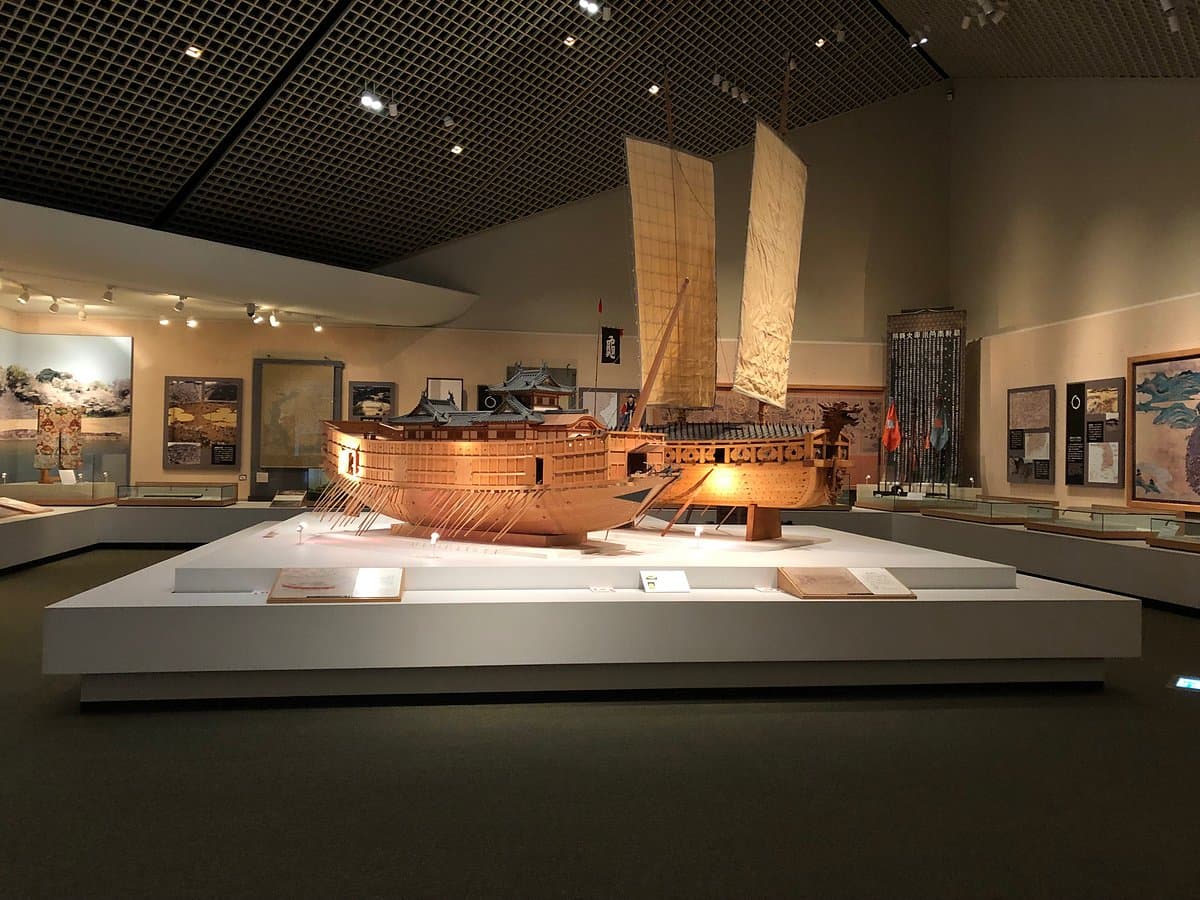
The Saga Prefectural Nagoya Castle Museum serves as a historical repository focusing on the 16th-century Nagoya Castle and its pivotal role in the relationship between Japan and Korea. It's not just about the castle itself, but also delves into the broader historical context of the region, offering a comprehensive look at a significant period in East Asian history.
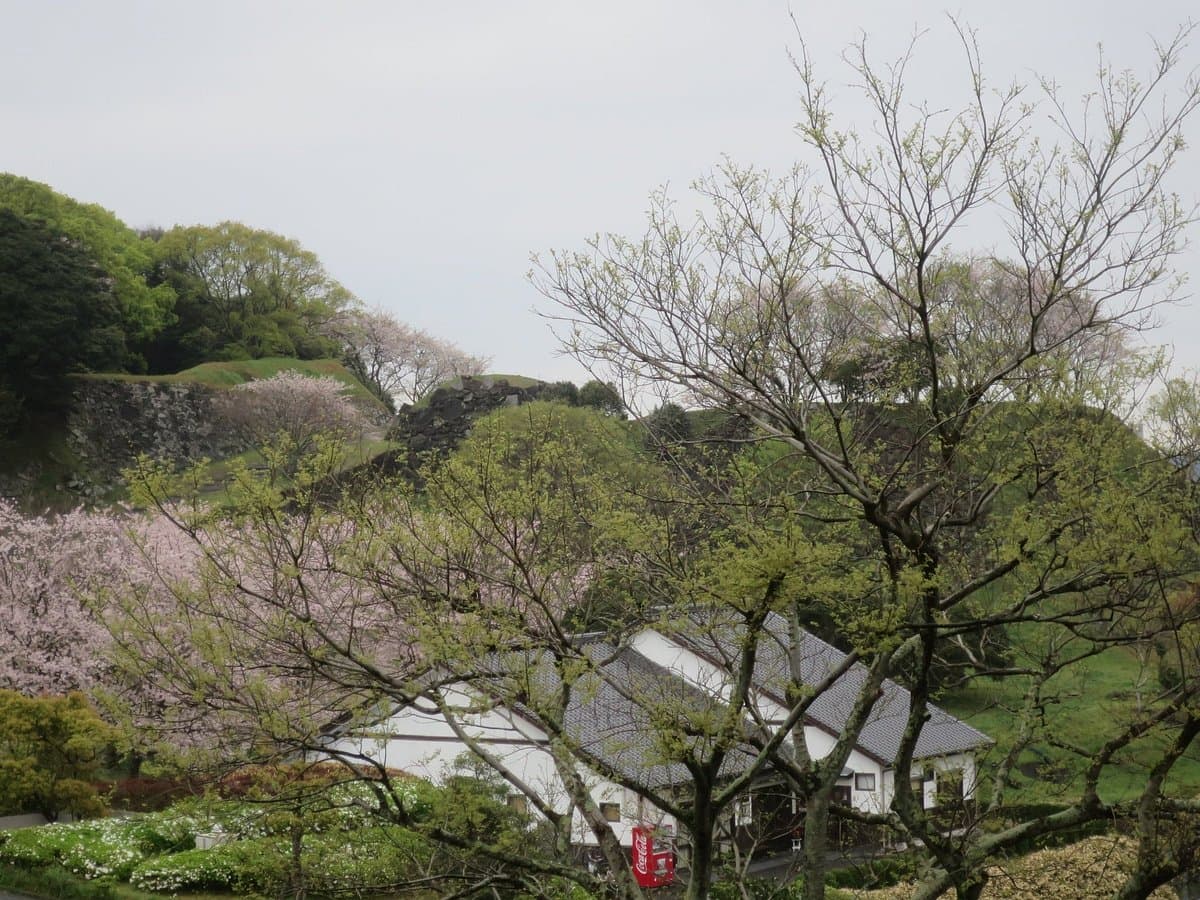
Visitors consistently praise the museum for its unexpected depth and quality, especially given that admission is free. Many reviewers note that the displays are well-curated, covering not only the castle's history but also the intricate historical ties between Japan and Korea. The building itself is often described as aesthetically pleasing, and the surrounding Japanese garden adds to the overall experience. Reviewers suggest that the museum provides an entertaining and well-preserved venue, akin to exploring a large, beautiful park, rather than a traditional castle with secret rooms.
To make the most of your visit, allocate at least 1-2 hours to explore the exhibits thoroughly. It's highly recommended to combine a visit here with exploring the nearby Nagoya Castle ruins. Several visitors suggest renting a bicycle to explore the wider area, including the castle grounds and the museum, to fully appreciate the scenery. The museum is particularly enjoyable for those with an interest in Japanese and Korean history, offering a deeper understanding beyond just the physical ruins.
The museum is located at 1931-3 Nagoya Chinzeimachi, Saga Prefecture. While specific public transport details are not frequently mentioned in reviews, its proximity to the Nagoya Castle ruins suggests it's accessible by local means. Given the suggestion to rent a bike, the area might be best explored with personal transport or a combination of public transport and cycling from a nearby station in Karatsu.
While there are no significant common complaints, some visitors might expect a traditional castle experience with intact structures rather than a museum focusing on the history and ruins. Managing this expectation by understanding it's a museum about the castle's history, rather than the castle itself, will enhance the visit.