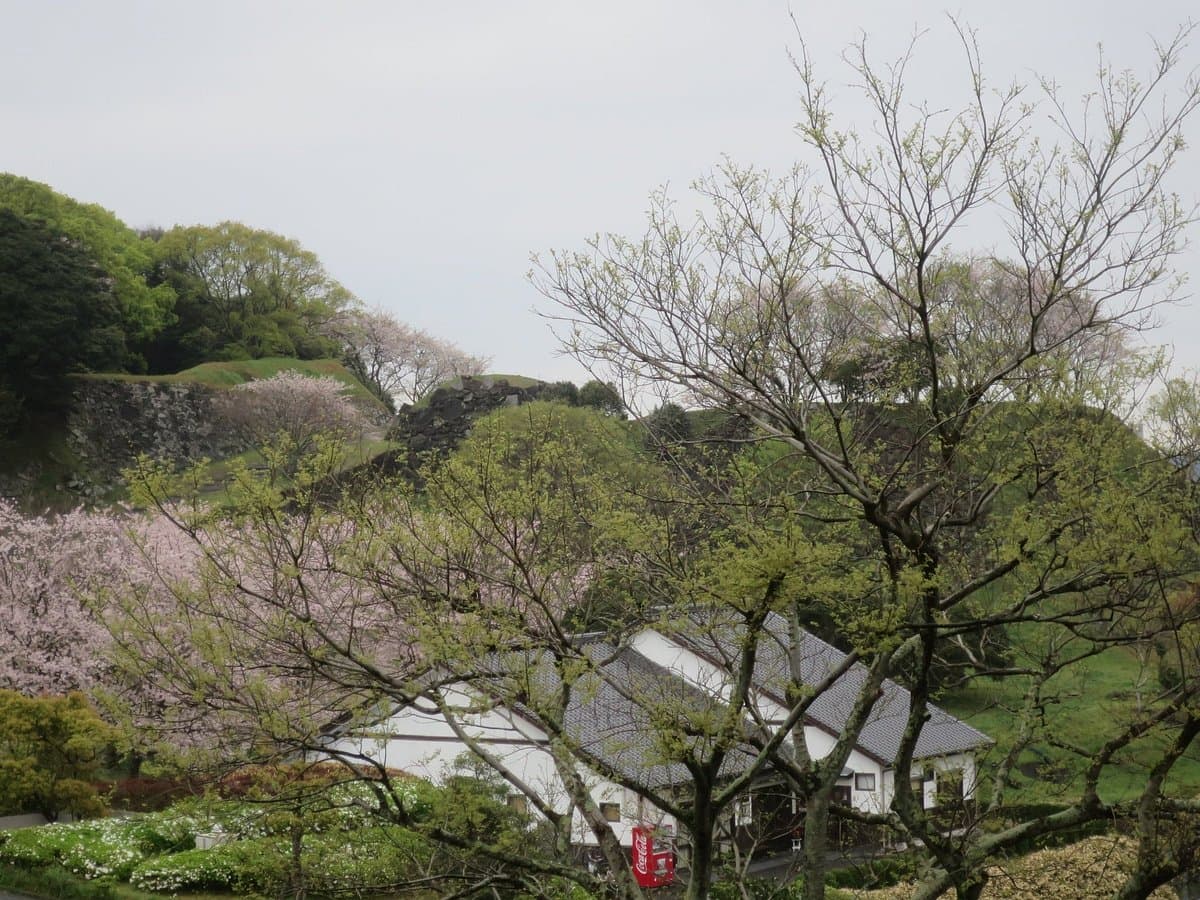
The Nagoya Castle Ruins are the remnants of a massive fortress built by Toyotomi Hideyoshi in the late 16th century as a staging ground for his invasions of Korea. Far from being just a simple front base, historical evidence and the sheer scale of the ruins indicate it was a vast complex with a prosperous town surrounding it. Today, the site offers a unique opportunity to walk through history and imagine the grandeur of this significant period in Japanese history.
Visitors consistently praise the expansive nature of the site and the stunning panoramic views, particularly of the sea and the peninsula. Many reviewers highlight the feeling of being transported back in time, with one comparing the impression to an ancient Greek town. The well-preserved layout allows for a clear understanding of where the castle stood and the extent of its fortifications. The strong winds at the top are frequently mentioned, adding to the dramatic atmosphere, and the area is noted for being excellent for photography.
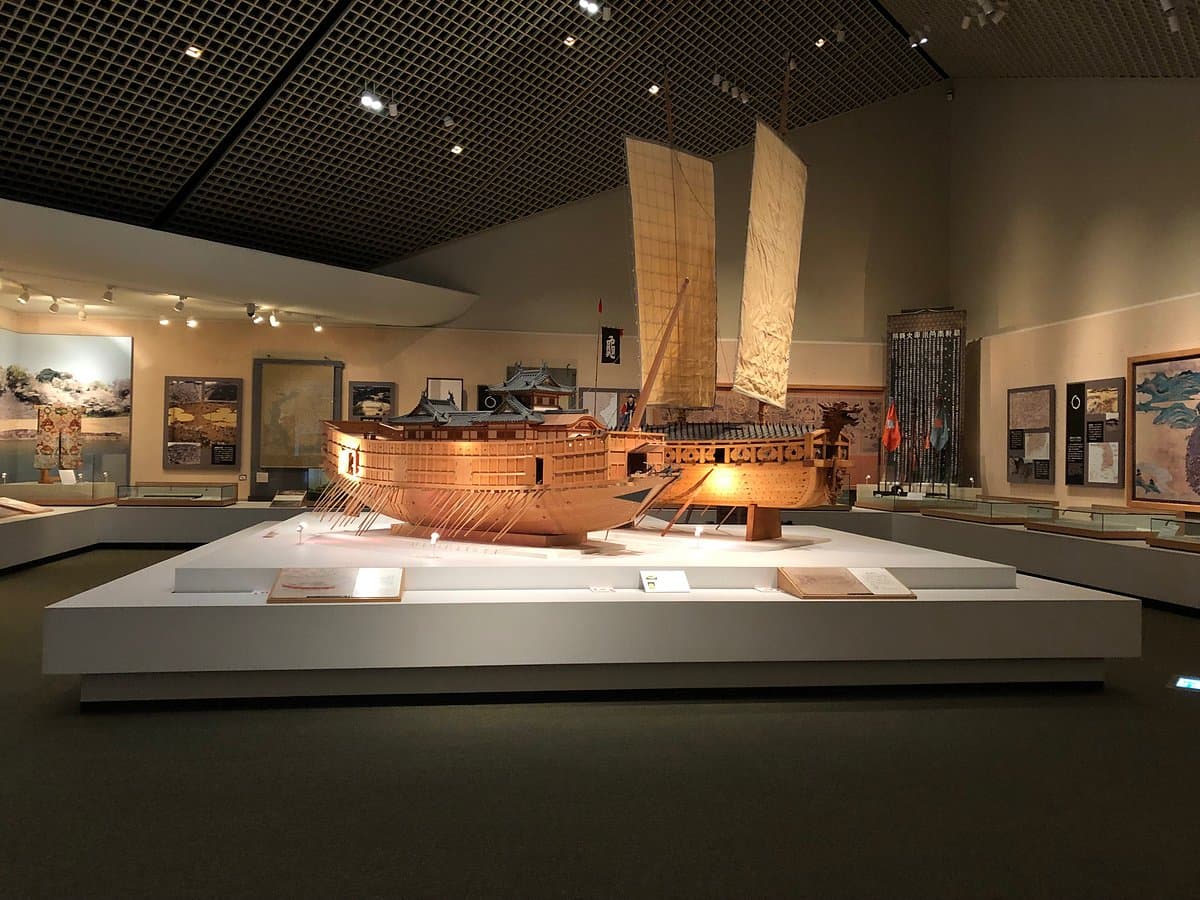
To make the most of your visit, wear comfortable shoes as the site is spacious and involves a fair amount of walking. Several visitors recommend allocating at least a couple of hours, with some suggesting half a day, especially if you plan to explore the free museum on-site. The views are best enjoyed on a clear day. While the ruins themselves are the main attraction, the surrounding natural beauty and the sea breeze enhance the experience. It's a family-friendly destination, with clear signposting making navigation easy even with small children.
The Nagoya Castle Ruins are located in Karatsu, Saga Prefecture. While specific public transport details are not consistently mentioned in reviews, the site is generally accessible. Driving is a common option for visitors to the region, and the site is well-signposted. For those relying on public transport, researching local bus routes from Karatsu Station would be advisable. The area around Karatsu is known for its scenic beauty, making the journey to the ruins part of the overall experience.
A common observation is that while the scale is impressive, it is indeed a ruin, meaning there are no reconstructed castle buildings. Visitors expecting a fully intact castle might be disappointed. However, those who appreciate historical sites and can visualize the past from foundations and layouts will find it deeply rewarding. The strong winds at the top can be quite bracing, so consider bringing a light jacket even on warmer days.