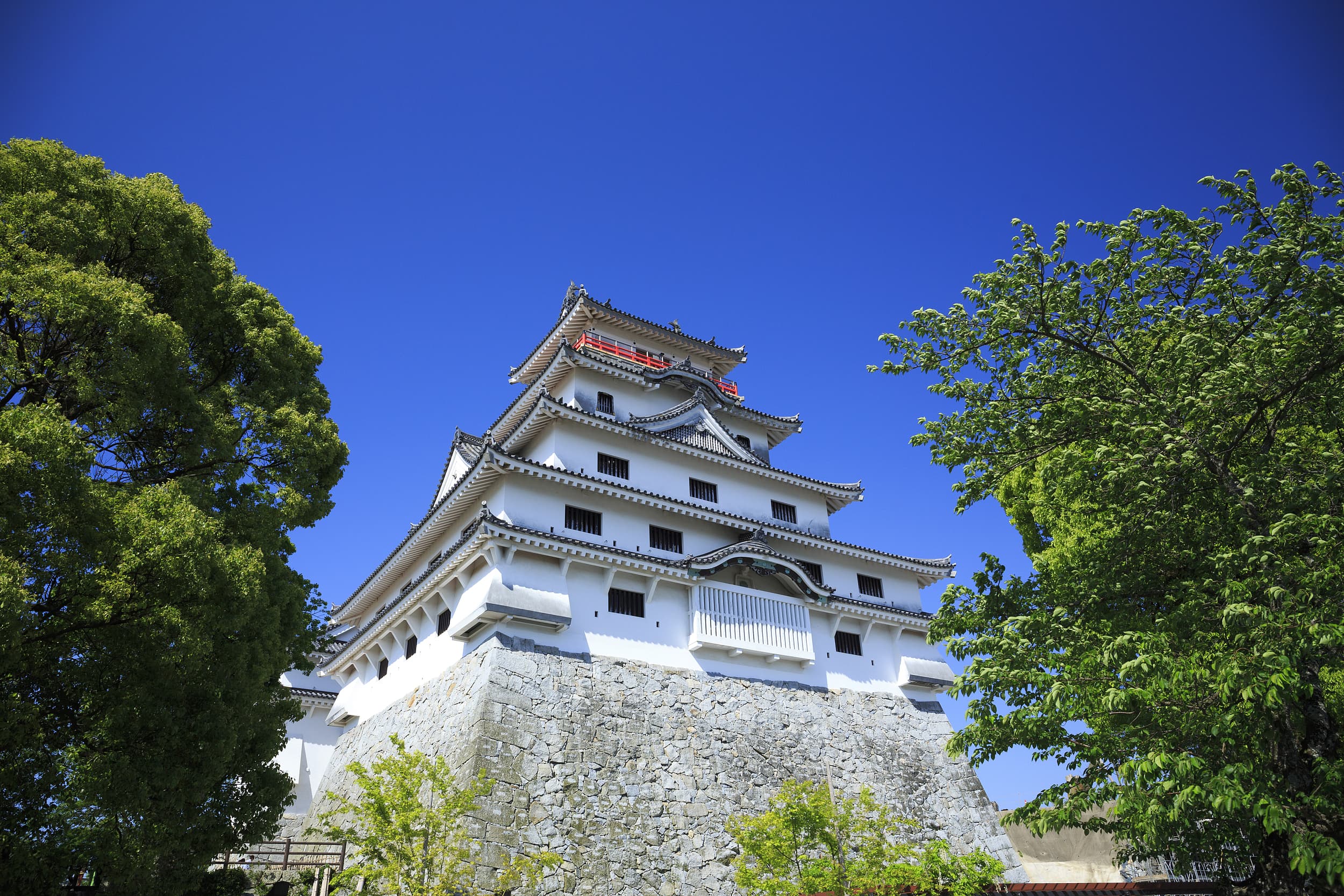
Karatsu Castle, known locally as Maizuru Castle (Dancing Crane Castle) due to its resemblance to a crane with outstretched wings, is a prominent landmark in Karatsu. Originally built in 1602 by Hiroko Terazawa, the castle played a significant role in the region's history. While the original structure was destroyed, the current castle is a faithful reconstruction from the mid-20th century, meticulously restored to reflect its Edo period charm. It stands as a testament to local history and offers a glimpse into Japan's feudal past, serving as a museum with exhibits on the castle's history and local artifacts.
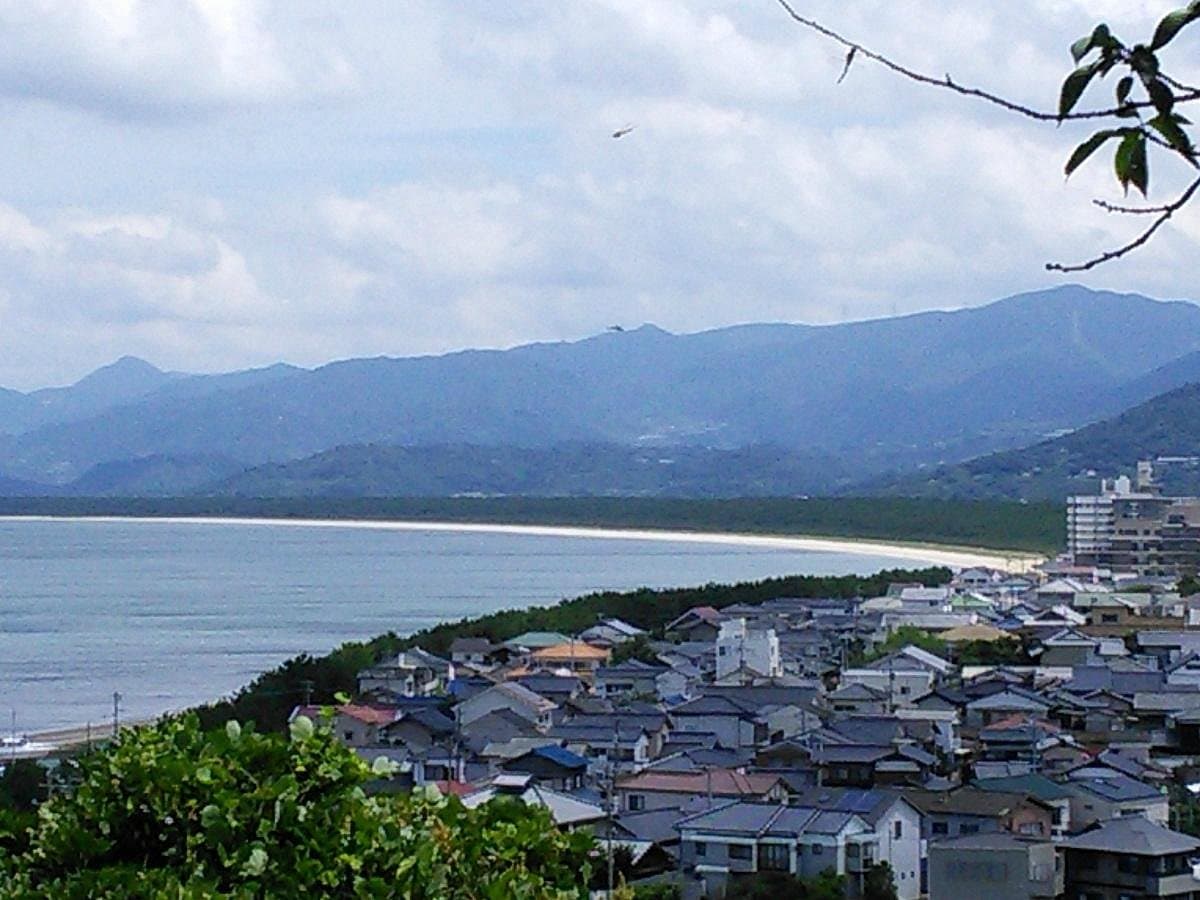
Visitors consistently praise the breathtaking panoramic views from the castle's top floor, encompassing Karatsu Bay, the city, and the Niji-no-Matsubara pine forest. Many reviewers highlight the castle's beauty, especially during spring when the cherry blossoms and wisteria are in bloom, transforming the surrounding Maizuru Park into a vibrant spectacle. The castle's unique seaside location is frequently mentioned as a key draw, offering a different experience compared to inland castles. Reviewers also appreciate the generally uncrowded atmosphere, allowing for a more relaxed visit compared to more famous castles.
For a comfortable visit, plan to spend 1-2 hours exploring the castle and its grounds. The best times to visit are during spring (March-May) for cherry blossoms and wisteria, or in autumn (November) for pleasant weather and autumn foliage. While the climb to the castle involves stairs, an elevator is available for a small fee (¥100 one-way, free for seniors), which many visitors found helpful. Remember that credit cards are generally not accepted for entry or the elevator, so bring cash. Some visitors recommend visiting at dusk for a particularly atmospheric experience.
Karatsu Castle is conveniently located about a 20-minute walk from JR Karatsu Station. From Fukuoka, the train journey takes approximately 60-70 minutes. Many visitors opt to walk from the station, enjoying the town's atmosphere. If driving, there is a parking lot across the national highway, connected to the castle grounds by an underpass. Be aware that the road to the castle from the parking lot can be steep in places. For those with mobility issues, the elevator is a highly recommended option.
A common complaint among international visitors is the lack of English signage and information inside the castle museum, with most displays being exclusively in Japanese. While the views from the top are universally appreciated, those hoping for detailed historical context in English might be disappointed. To mitigate this, consider researching the castle's history beforehand or using translation apps. Some older reviews mention ongoing renovations, but these are typically temporary; however, it's always wise to check for current information before visiting.