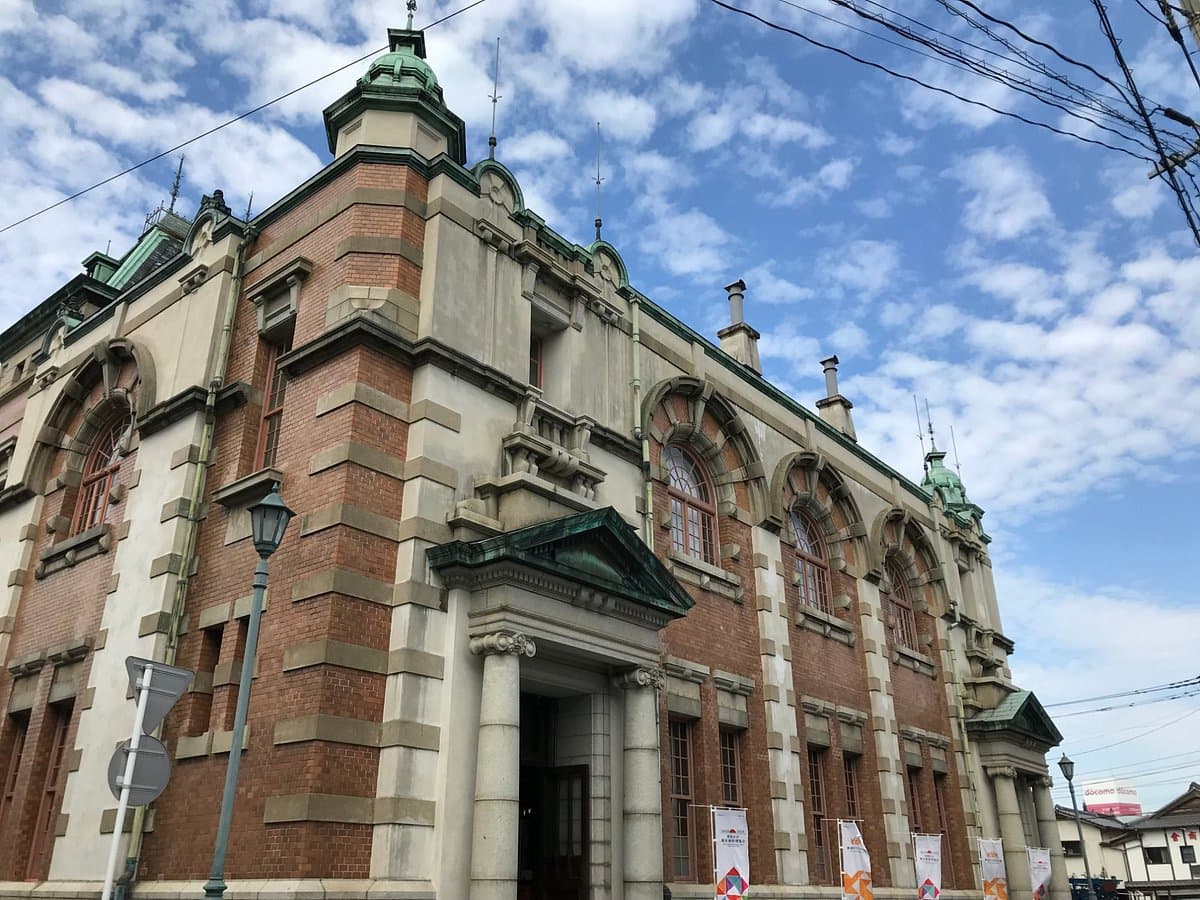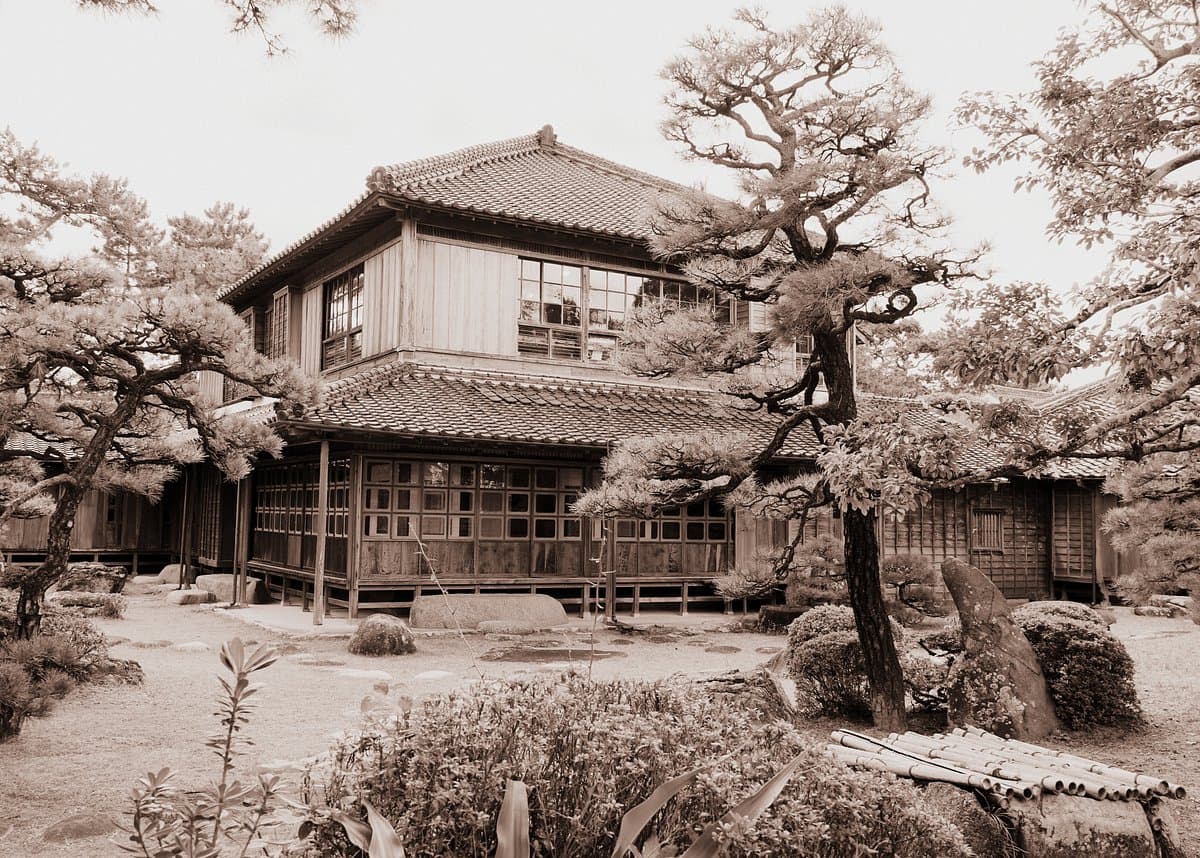
The Former Takatori House is a significant historical residence in Karatsu, once home to Koreyoshi Takatori, a prominent coal mine owner and industrialist from the Meiji era. Built in 1905, this expansive mansion is a remarkable example of modern Japanese architecture, blending traditional Japanese styles with subtle Western influences. It offers a rare and authentic glimpse into the lavish lifestyle of Japan's elite during a pivotal period of industrialization and cultural change.
Visitors frequently highlight the house's exceptional preservation and the sheer scale of its design, which was considered very large by Japanese standards of the time. The interior is adorned with 72 beautifully painted panels, intricate sliding doors (shoji and fusuma), decorative transom windows (ranma), and even a dedicated Noh theater, which many find to be a particular highlight. Reviewers often commend the availability of knowledgeable volunteer guides, some of whom speak English, who enhance the experience by sharing detailed stories about the family, the house's construction, and the customs of the era. These guides are often described as passionate and informative, making the visit more engaging.
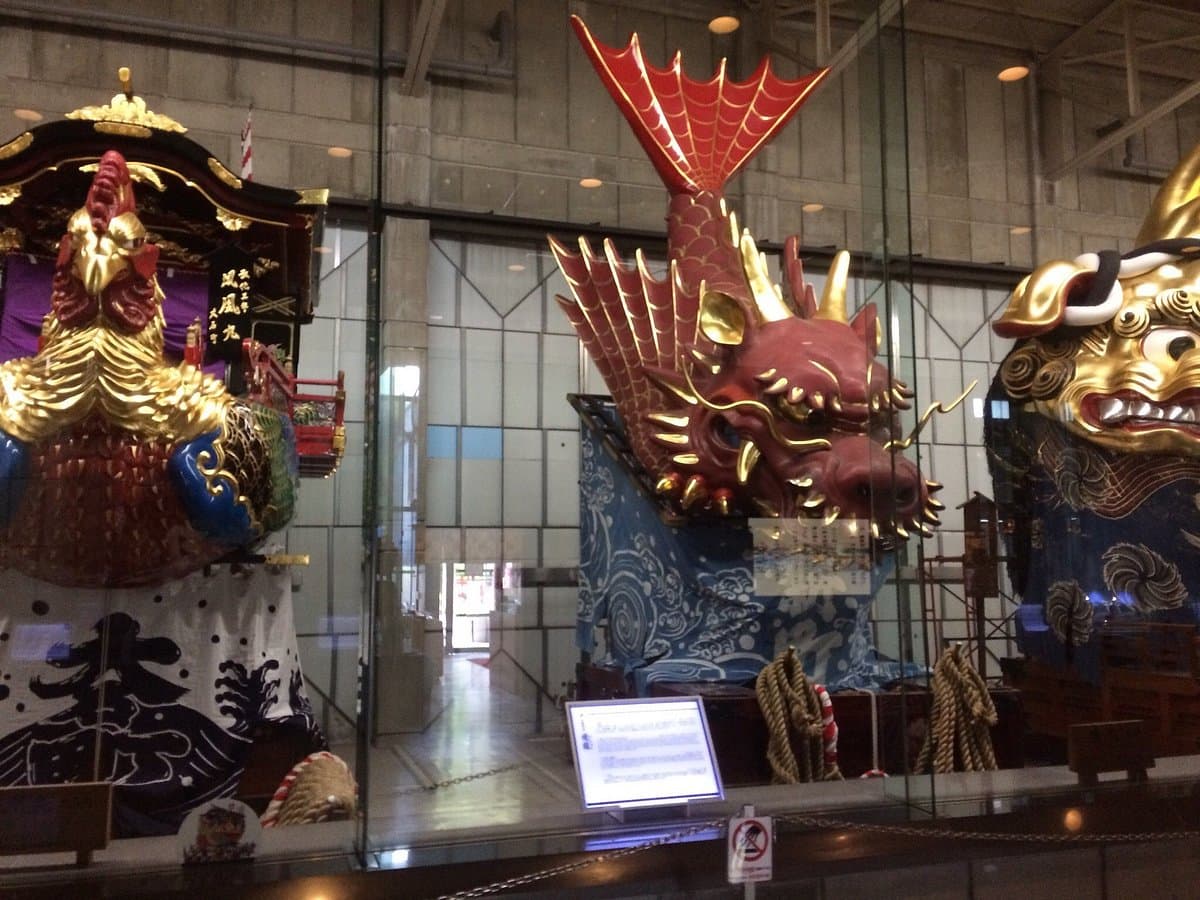
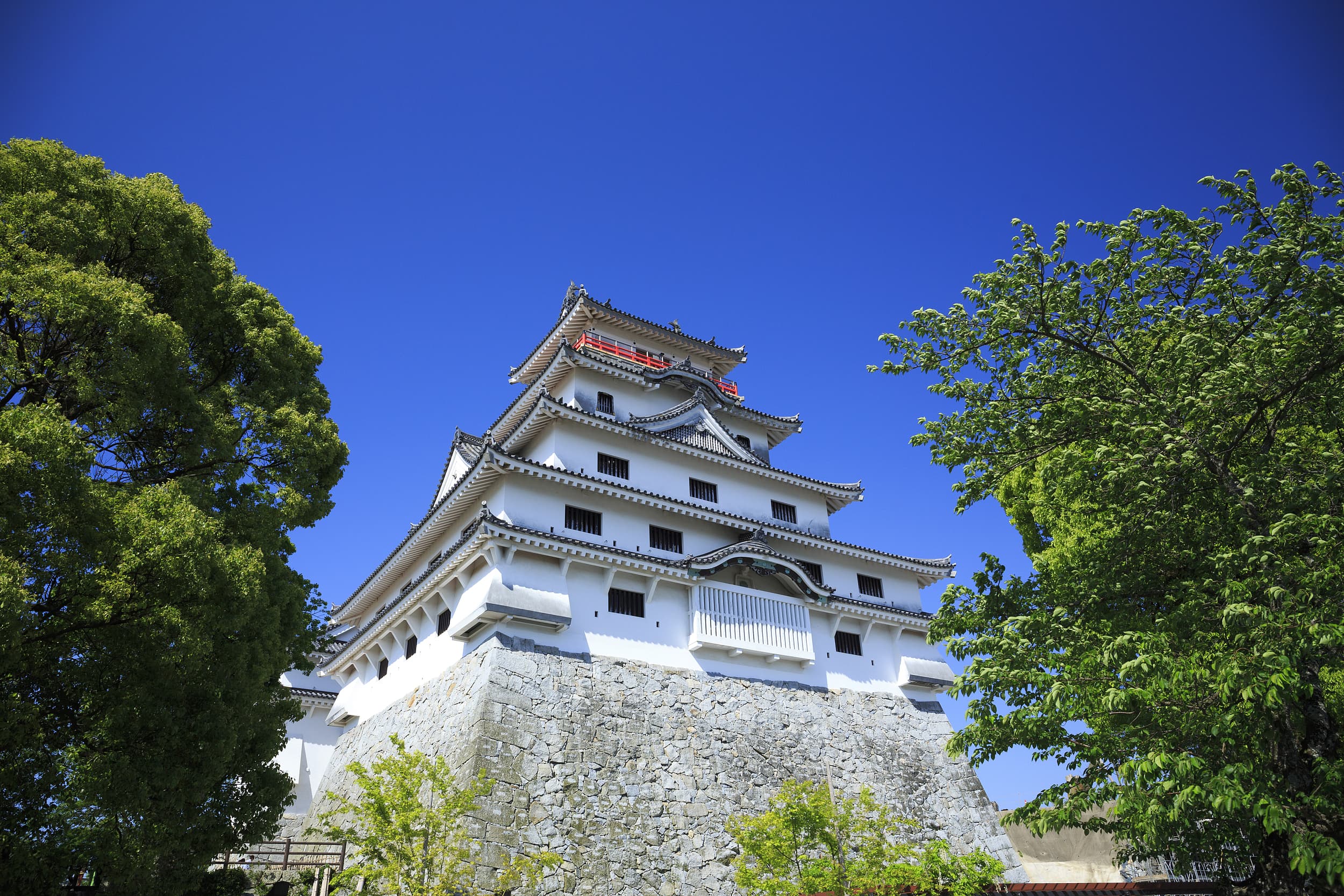
To make the most of your visit, plan to spend approximately 1.5 to 2 hours exploring the house. Many visitors recommend taking advantage of the free guided tours offered by volunteers, as their insights significantly enrich the experience. While photography is generally not allowed inside, this encourages visitors to immerse themselves fully in the moment and appreciate the intricate details. It's advisable to wear comfortable shoes as you'll be walking through various rooms. Consider visiting after other local attractions like Karatsu Castle or the Hikiyama Exhibition Hall, as the house provides a complementary historical perspective.
The Former Takatori House is conveniently located in Karatsu. Many visitors report walking to the residence after visiting Karatsu Castle, indicating its proximity to other central attractions. If arriving by train, Karatsu Station is a central hub, and the house is accessible by a pleasant walk or a short taxi ride from there. Specific bus lines are not frequently mentioned in reviews, but local buses typically serve major tourist spots. For those driving, parking information is not prominently featured in reviews, suggesting public transport or walking is the preferred method for most visitors.
A common point mentioned by visitors is the occasional difficulty in understanding guides whose English pronunciation might be weak. To mitigate this, look for English signage available in each room, which provides supplementary information. Additionally, while the house is large, it can get crowded during peak tourist seasons, so consider visiting earlier in the day for a more tranquil experience.