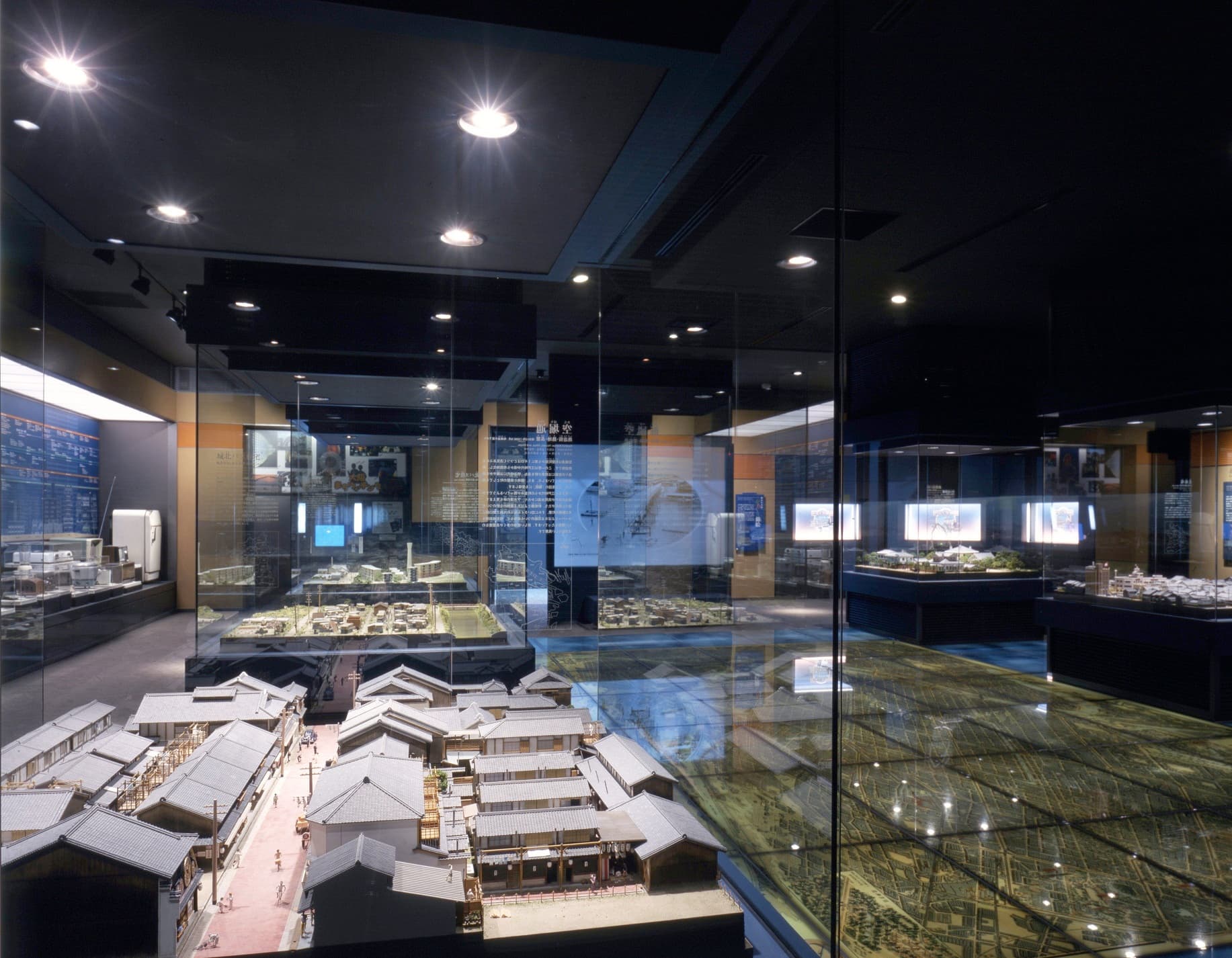
The Osaka Museum of Housing and Living offers a unique journey through Osaka's past, focusing on the evolution of its urban landscape and daily life from the Edo period to the Showa era. It stands out for its impressive, life-sized recreation of an Edo-period street and neighborhood, complete with houses, shops, and even simulated weather changes. Beyond this immersive main exhibit, the museum also features detailed models and dioramas illustrating Osaka's development over time, providing a comprehensive understanding of the city's cultural and architectural heritage.
Visitors consistently praise the museum's immersive quality, particularly the Edo-period street scene, which many find to be a highlight. The ability to rent kimonos and walk through the recreated village is a popular activity, enhancing the feeling of stepping back in time. Reviewers frequently mention the detailed models and audio-visual presentations as being exceptionally well-done and informative. The museum is often recommended as a great indoor activity, especially on rainy or extremely hot days, offering a comfortable and engaging experience. Many appreciate the English audio guides and translated information sheets, which make the exhibits accessible to international visitors.
To make the most of your visit, consider arriving early, especially if you plan to rent a kimono, as availability can be limited due to high demand. The kimono rental typically costs around 500 yen for 30 minutes. An audio guide, available for a small fee (around 100-150 yen), is highly recommended by visitors for a deeper understanding of the exhibits. Allocate approximately 1.5 to 2 hours for a thorough visit, allowing time to explore the Edo-period village, view the models, and experience the day-to-night transitions. While the museum is relatively small, taking your time allows for a more enriching experience. Lockers are available for bags and umbrellas, which is convenient for visitors.
The museum is conveniently located on the 8th floor of a building directly above Tenjinbashisuji 6-chome Station. To reach it, take the subway to Tenjinbashisuji 6-chome Station (Tanimachi Line, Sakaisuji Line, or Hankyu Senri Line). The museum is accessible via an elevator from within the station complex or the building itself. Look for signs pointing to the "Housing Information Center Building" or the museum. Google Maps might sometimes lead to a less direct entrance, so following the station's signage is often more reliable. Its direct connection to the metro makes it highly accessible for public transport users.
Some visitors find the museum to be smaller than anticipated, and during peak times, the Edo-period street can become crowded, making it challenging to take photos or move freely. To mitigate this, consider visiting on a weekday morning or later in the afternoon. A few reviewers also note that if you've visited similar historical recreation museums in Japan (like the Edo-Tokyo Museum), some aspects might feel familiar. However, the unique focus on Osaka's specific housing and living history, combined with the immersive kimono experience, still offers a distinct and worthwhile visit.