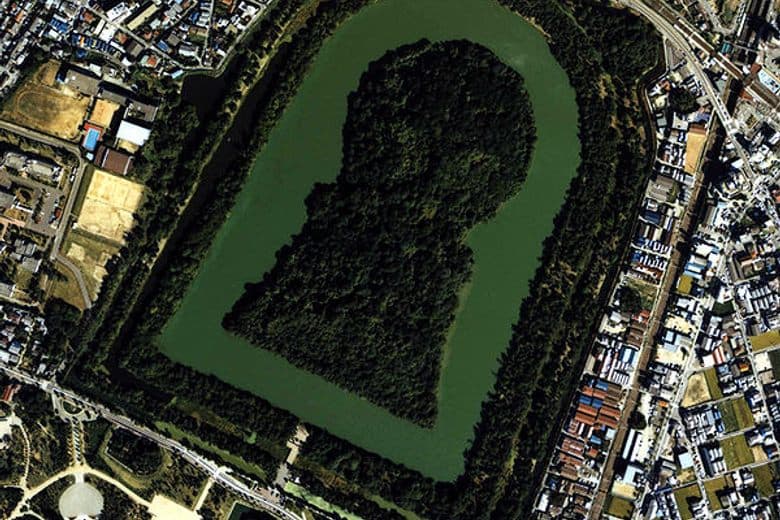
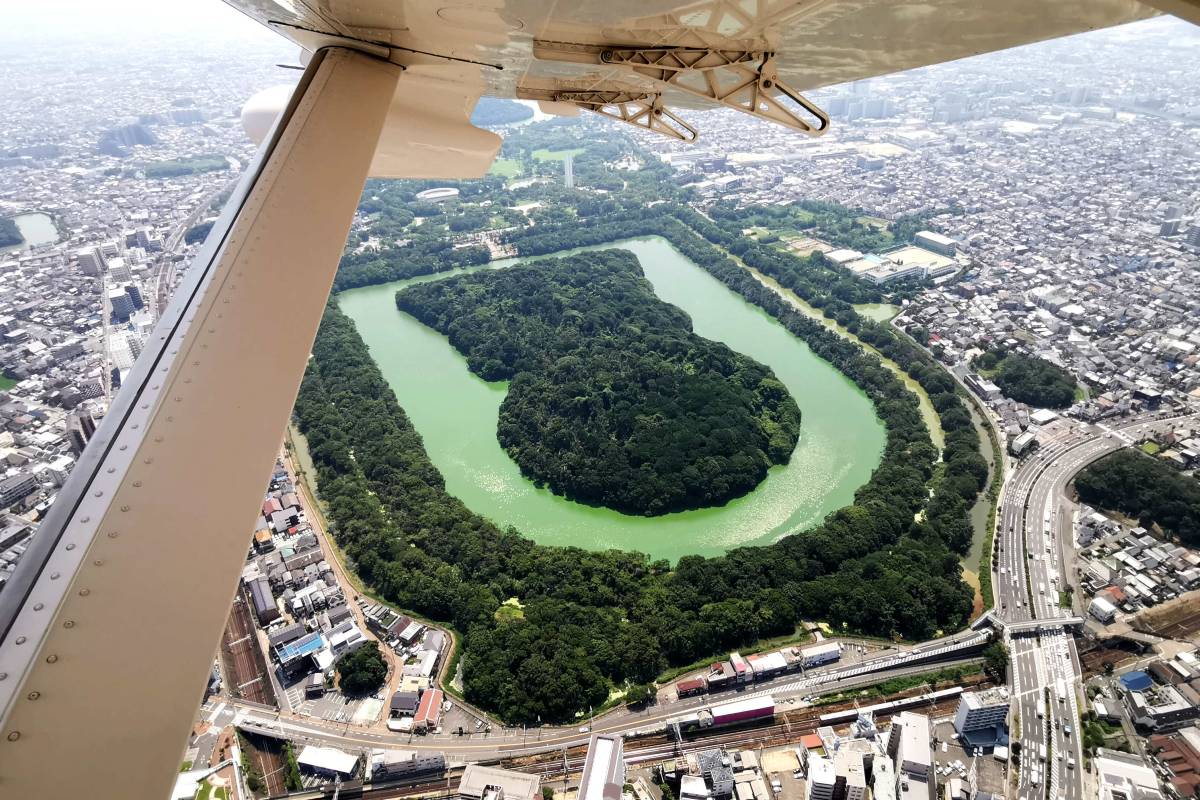
The Mozu Tombs, or Mozu Kofungun, represent a significant archaeological landscape in Japan, featuring over 40 ancient burial mounds (kofun), including the colossal Nintoku-Tenno-Ryo Kofun. This keyhole-shaped tomb is among the largest in the world by area and is believed to be the resting place of Emperor Nintoku. The site offers a unique glimpse into Japan's ancient imperial history and funerary practices, recognized as a UNESCO World Heritage site.
Visitors consistently praise the historical significance of the site and the opportunity to witness such massive ancient structures. Many reviewers highlight the Mozu Tomb Group Visitor Center and the accompanying museum as excellent resources for understanding the history and scale of the kofun. The museum is noted for explaining everything in detail, making the visit more enriching. While direct access to the mounds is not permitted, the sheer size of the Nintoku-Tenno-Ryo Kofun is still impressive from ground level, and several smaller kofun in the vicinity can be explored more closely.
For the best experience, allocate approximately 2-3 hours. A key recommendation from visitors is to visit the observatory at the Sakai City Hall building. This free observatory offers 360-degree views, allowing visitors to fully appreciate the distinctive keyhole shape of the Nintoku-Tenno-Ryo Kofun, which is not visible from the ground. It is advisable to combine a visit to the tombs with the visitor center and the city hall observatory to gain a comprehensive understanding and visual perspective. Bringing comfortable walking shoes is recommended as exploring the area involves some walking.
To reach the Mozu Tombs, take the JR train to Mozu Station, which is the nearest station. Upon exiting, the Shuzuka Tomb is immediately to the west, and the Mozu Tomb Group Visitor Center is a short walk further. The Sakai City Hall building, with its observatory, is also accessible from the station, though it may require a slightly longer walk or a short local bus ride.
A common complaint among visitors is the inability to enter or get close to the main burial mounds, which can lead to a feeling of not seeing much after a long walk. To mitigate this, set expectations beforehand: understand that the experience is about appreciating the scale and historical context from a distance, rather than close-up exploration. Prioritizing the Sakai City Hall observatory view and the visitor center's educational content will significantly enhance the visit and prevent disappointment.