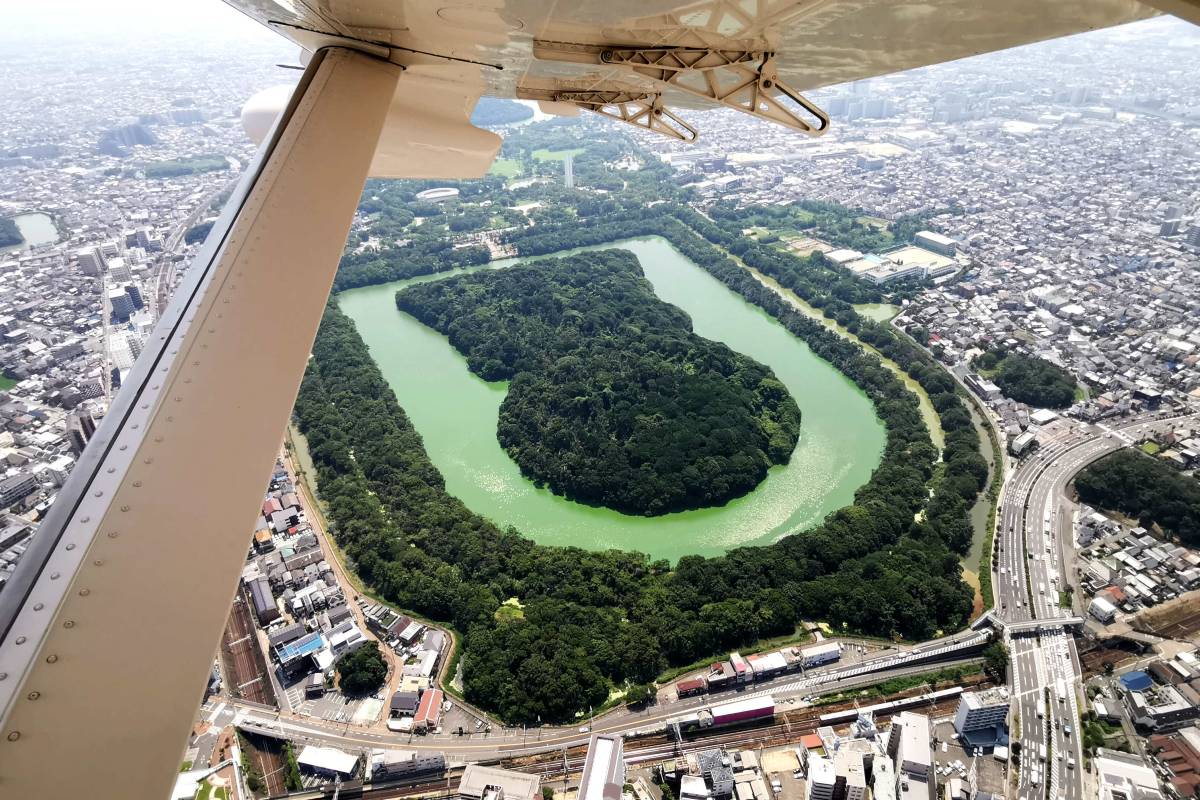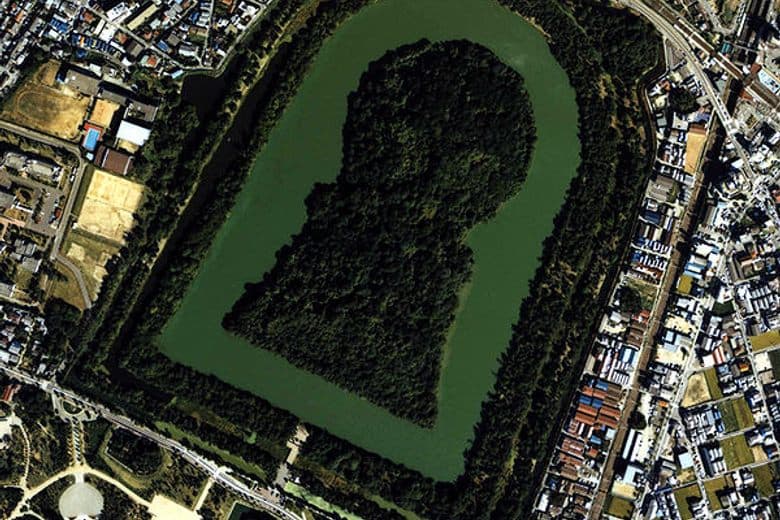
The Daisen Kofun is an immense, keyhole-shaped burial mound, believed to be the tomb of Emperor Nintoku, the 16th emperor of Japan. It is one of the largest ancient tombs globally, rivaling the Egyptian Pyramids in scale, and is a central feature of the Mozu Tumulus cluster, a UNESCO Tentative World Heritage Site. These kofun, built between the 3rd and 6th centuries, represent a significant period in Japan's emerging social and economic hierarchy.
Visitors consistently note that the sheer size of Daisen Kofun is its most striking feature, though this is difficult to fully grasp from ground level. Reviewers often mention that the mound is heavily forested and surrounded by three moats, making it appear as a large, green hill rather than an elaborate structure. The experience is primarily one of quiet contemplation and appreciating historical significance rather than viewing intricate archaeological details, as access to the mound itself is restricted. Many suggest that the best way to appreciate its unique keyhole shape and immense scale is through aerial views, perhaps from a nearby tall building or by viewing drone footage online.
For those visiting, a walking path encircles the tomb, offering a pleasant stroll. Plan to spend about 1-2 hours walking around the perimeter. There are no facilities directly at the kofun, so it's advisable to bring your own water, especially during warmer months. The site is best visited during cooler, drier weather to enjoy the walk. Since direct access to the mound is prohibited, there's no entry fee, making it an accessible historical site for budget-conscious travelers.
The Daisen Kofun is located in Sakai City, Osaka Prefecture. It is easily accessible by public transport. The nearest train station is Mozu Station (JR Hanwa Line), which is about a 10-minute walk from the kofun's viewing area. From Osaka, take the JR Hanwa Line directly to Mozu Station. Driving is also an option, though parking might be limited in the immediate vicinity. The walk from the station is straightforward and well-signposted.
A common complaint among visitors is the inability to see the kofun's distinctive keyhole shape from the ground, which can lead to a sense of anticlimax for those expecting a more visually dramatic experience. To mitigate this, it's recommended to manage expectations and understand that the visit is more about the historical context and the scale of the structure rather than its aesthetic appeal from ground level. Viewing aerial photographs or videos before your visit can help provide a better understanding of what you are seeing.