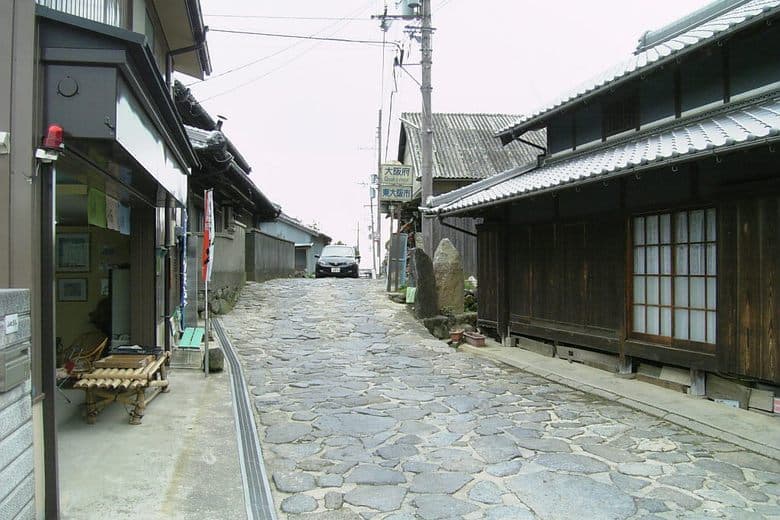
The Kuragari Pass is a historical mountain route that traverses the Ikoma mountains, linking Nara and Osaka. It is particularly significant for its well-preserved cobblestone path, a rare example of an ancient national highway still in use, and its reputation as Japan's steepest slope. The pass offers a journey through history, with various temples, stone Buddhas, and teahouses along the way, evoking the experience of pilgrims from centuries past.
Visitors consistently highlight the challenging nature of the hike due to the pass's extreme steepness, with some sections angled at up to 31 degrees. While this makes for a demanding physical activity, many find the historical ambiance and natural beauty rewarding. The thick woods provide ample shade, contributing to the pass's name, which means "shade" or "darkness." Reviewers often praise the sense of stepping back in time and the tranquility found away from urban centers.
For those planning to tackle the Kuragari Pass, it is crucial to wear appropriate hiking footwear with good grip, as the cobblestones can be uneven and slippery, especially after rain. Bringing sufficient water and snacks is also recommended, as amenities might be sparse along the steeper sections. The hike can take several hours depending on one's pace and the chosen route, so allocating a half-day or full-day is advisable. It is best to visit during cooler months, such as spring or autumn, to avoid the heat and humidity of summer. Inexperienced drivers are strongly advised to avoid driving on National Route 308 through the pass due to its narrow, winding, and extremely steep sections.
The Kuragari Pass is accessible from both the Nara and Osaka sides. From the Nara side, visitors can typically reach the base of the pass by local bus or taxi from nearby train stations. From the Osaka side, similar local transport options are available. Given the challenging terrain, walking from the nearest public transport stops might be part of the hike itself. Specific bus routes and stops should be checked locally as they can vary. Parking is extremely limited and not recommended for the general public due to the road's difficulty.
A common complaint among less prepared visitors is underestimating the physical demands of the hike. To mitigate this, ensure you are in good physical condition and have suitable gear. Some also mention the lack of clear signage in certain areas, so having a map or a GPS-enabled device is beneficial for navigation.