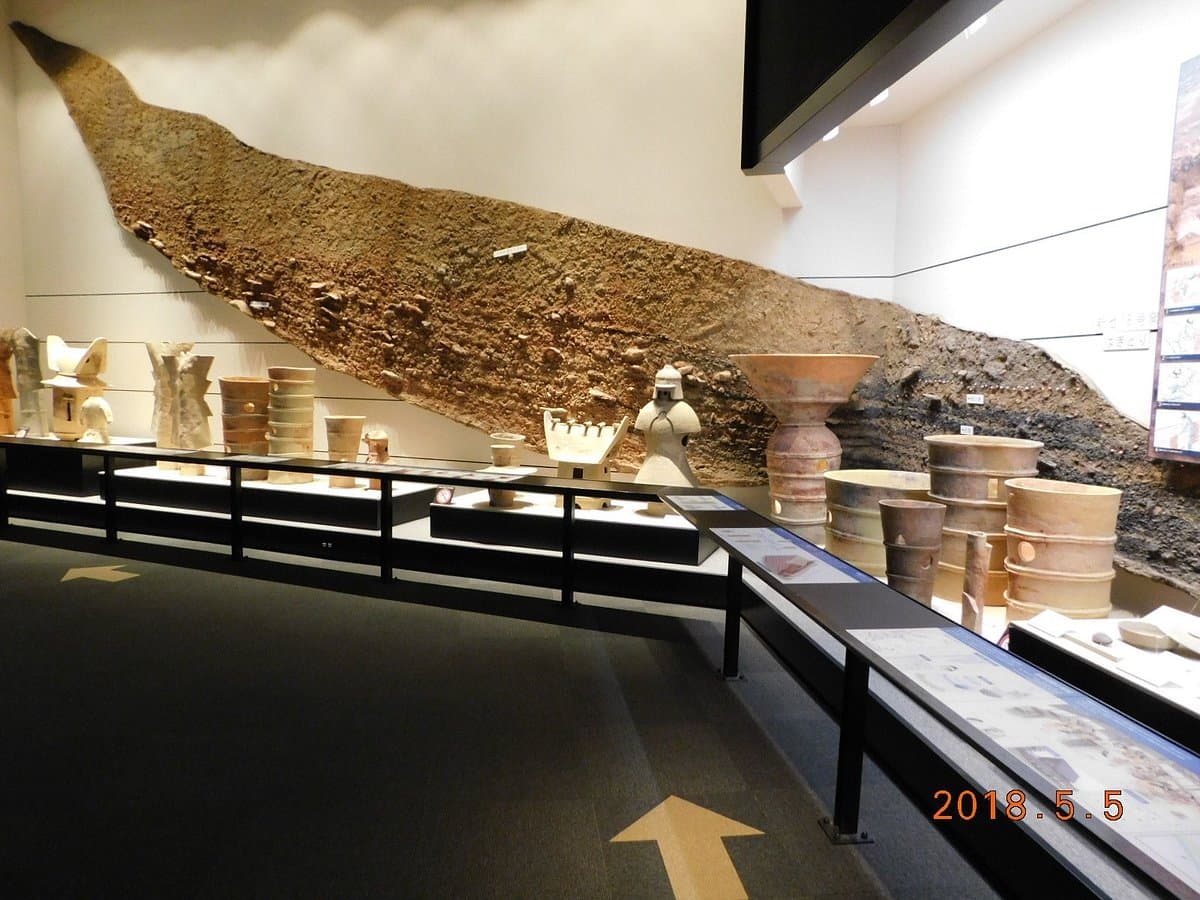
The Imashirozuka Ancient History Museum, located in Takatsuki, serves as an interpretive center for the adjacent Imashirozuka Kofun, one of Japan's largest keyhole-shaped burial mounds believed to be the tomb of Emperor Keitai. Unlike many other imperial tombs, this site is largely open to the public, offering a rare chance to walk around the kofun itself. The museum provides context for the artifacts excavated from the area, particularly focusing on haniwa (clay figures) and the burial practices of ancient Japan.
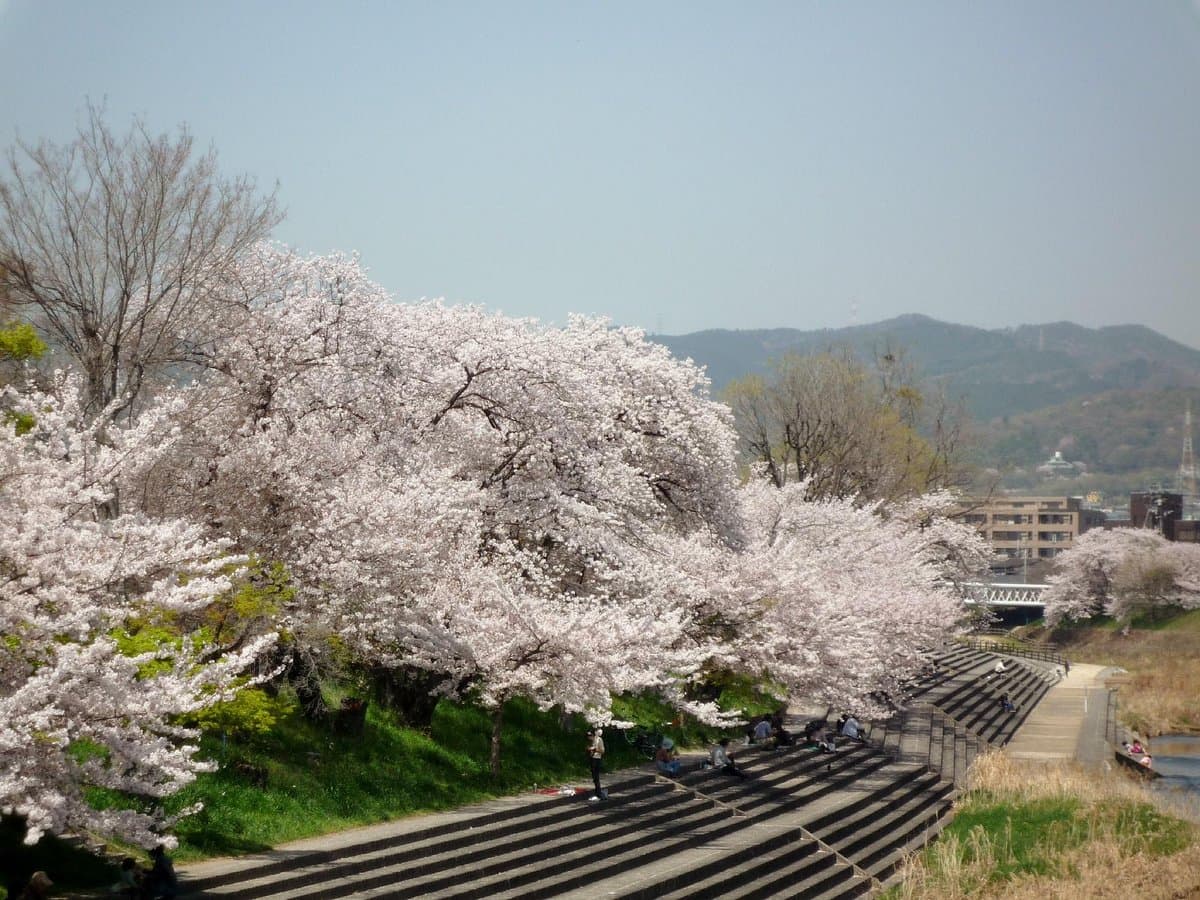
Visitors consistently praise the museum for its accessibility and educational value, especially given that admission is free. The exhibits are well-lit and thoughtfully arranged, with many displays featuring brief explanations in English, which is a significant plus for international visitors. Reviewers highlight the opportunity to learn about the construction of haniwa and the daily life of ancient people. The museum's proximity to the kofun allows for a combined experience, where visitors can first understand the history inside and then explore the impressive scale of the burial mound outdoors. Many enjoy picnicking around the kofun, making it a pleasant spot for families.
To make the most of your visit, allocate about two hours to explore both the museum and the kofun grounds. While the museum itself is not large, the outdoor area requires some walking. Consider bringing snacks or a picnic to enjoy by the kofun, as several visitors have found this to be a delightful addition to their experience. The best time to visit is during pleasant weather, allowing for comfortable exploration of the outdoor mound. Although volunteer docents are knowledgeable, they often only speak Japanese, so be prepared to rely on the English text provided in the exhibits.
Getting to the Imashirozuka Ancient History Museum can be a bit tricky, as noted by some visitors. It is situated between Osaka and Kyoto in Takatsuki. One reviewer mentioned starting from Takatsuki-shi Station, suggesting that public transport is an option, though it may involve some walking or a local bus connection. It's advisable to check local bus routes from the nearest train stations (e.g., Takatsuki Station or Takatsuki-shi Station) to the museum, as direct access might not be immediately obvious. Driving is also an option, and parking availability should be confirmed beforehand.
A common complaint, or rather a missed opportunity, is the lack of extensive advertising for such a valuable, free facility. This means many tourists might overlook it. To mitigate this, plan your visit specifically if you have an interest in ancient history or are looking for a unique, less crowded experience away from the main tourist hubs. While the English explanations are helpful, the language barrier with docents might limit deeper interaction, so come prepared to absorb information primarily from the written displays.