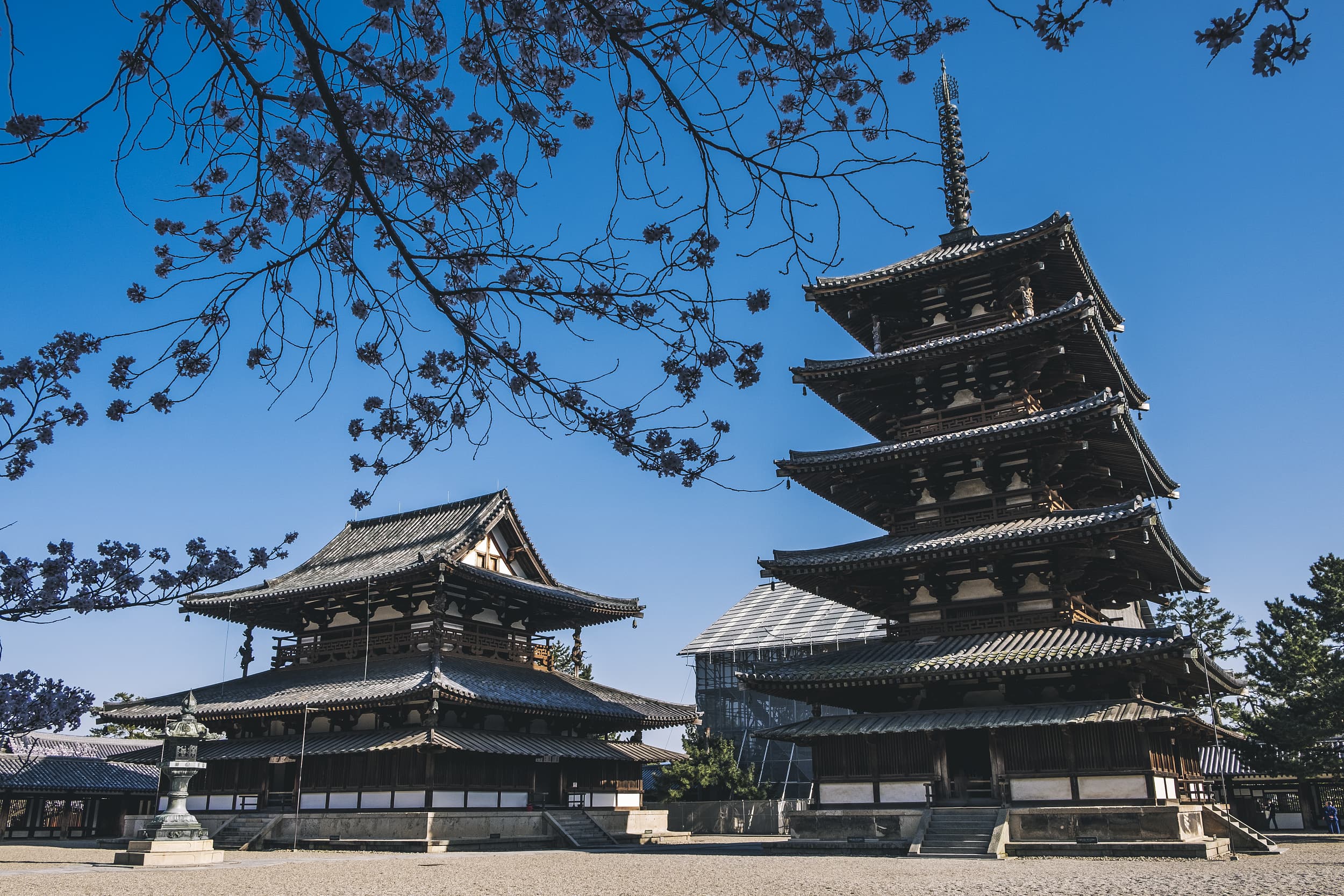
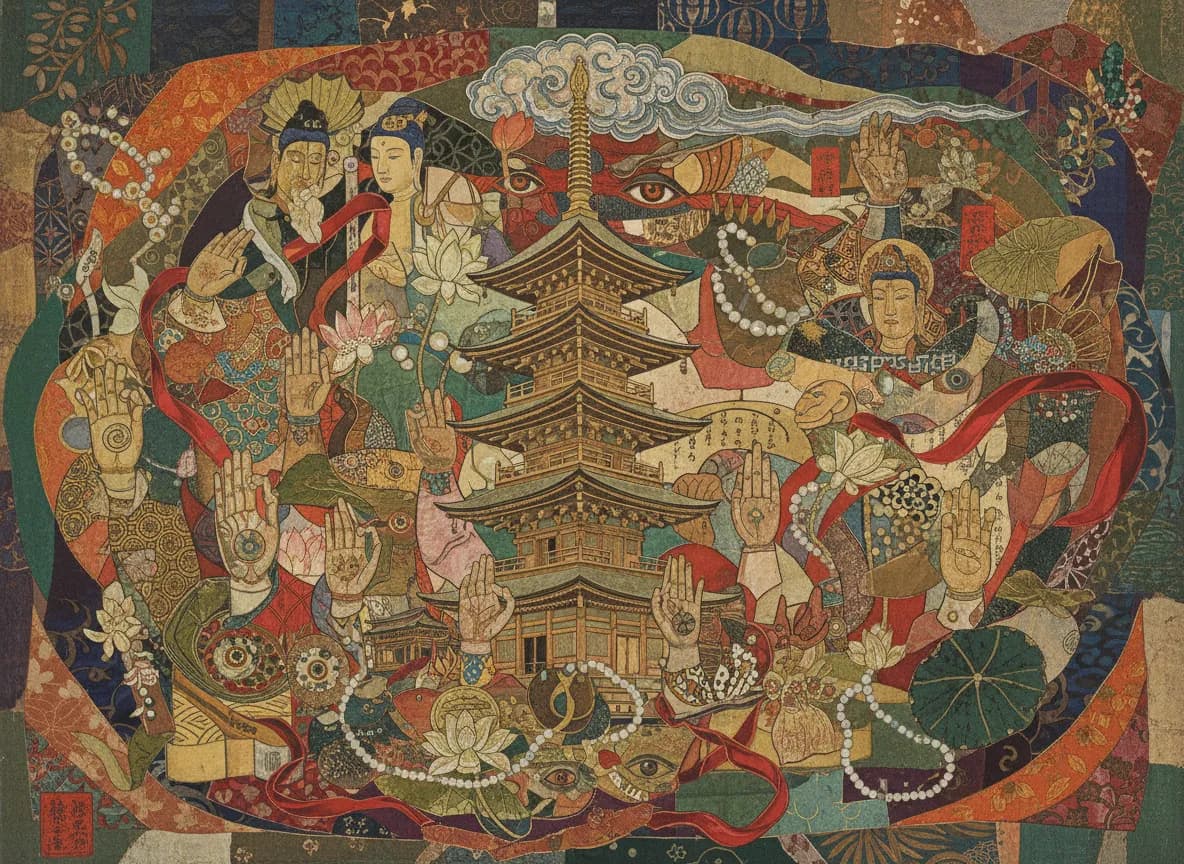
Horyu-ji Temple is a profound historical and architectural marvel, recognized as a UNESCO World Heritage site and home to the world's oldest wooden buildings, some dating back to the 7th century. Founded by Prince Shotoku, it played a pivotal role in the early spread of Buddhism in Japan. The complex, spanning nearly 200,000 square meters, offers a unique glimpse into ancient Japanese craftsmanship and religious devotion, with its iconic five-story pagoda and numerous ancient artifacts.
Visitors frequently highlight the temple's remarkably preserved wooden structures, such as the five-story pagoda and the Main Hall (Kondo), as its main draw. Many appreciate the tranquil and less crowded atmosphere compared to other major temples in Nara or Kyoto, allowing for a more contemplative experience. The sheer scale of the complex, divided into Saiin Garan and Toin Garan, means there is much to explore, including the Great Lecture Hall (Daikodo) and the Hall of Dreams (Yumedono). Reviewers often recommend taking advantage of the free volunteer guides available at the entrance, as their explanations significantly enhance understanding of the site's history and significance.
To make the most of your visit, allocate at least 2-3 hours to explore the extensive grounds thoroughly. Arriving early in the morning, especially on weekdays, is frequently recommended to experience the temple with fewer crowds and enjoy a more peaceful ambiance. While photography is generally allowed outdoors, it is often prohibited inside the main halls and the five-story pagoda. The entry fee of 1500 yen covers access to Saiin Garan, Daihozoin, and Toin Garan, which visitors generally find worthwhile for the historical value. Consider combining your visit with nearby Chuguji Temple if time permits.
Horyu-ji Temple is located in Ikaruga town, Nara Prefecture. From Nara Station, take the JR Yamatoji Line (Kansai Line) to Horyuji Station, which is about a 10-15 minute train ride. From Horyuji Station, the temple is approximately a 20-30 minute walk. Alternatively, a local bus (Bus #72 or #97) runs from Horyuji Station directly to the temple gate (Horyuji-mae bus stop) and takes about 10 minutes. Buses from JR Nara Station (Bus #97) are also available but run less frequently and take around 50 minutes. Parking is available nearby for those driving.
A common complaint among some visitors is the 1500 yen admission fee, which is perceived as high compared to some other temples. However, many others find it justified given the historical importance and the extensive grounds. Some also note the lack of souvenir shops and restaurants immediately around the temple, so it's advisable to plan for refreshments beforehand or after your visit. The walk from Horyuji Station can be long and less scenic for some, making the bus a preferred option, especially on hot or rainy days.