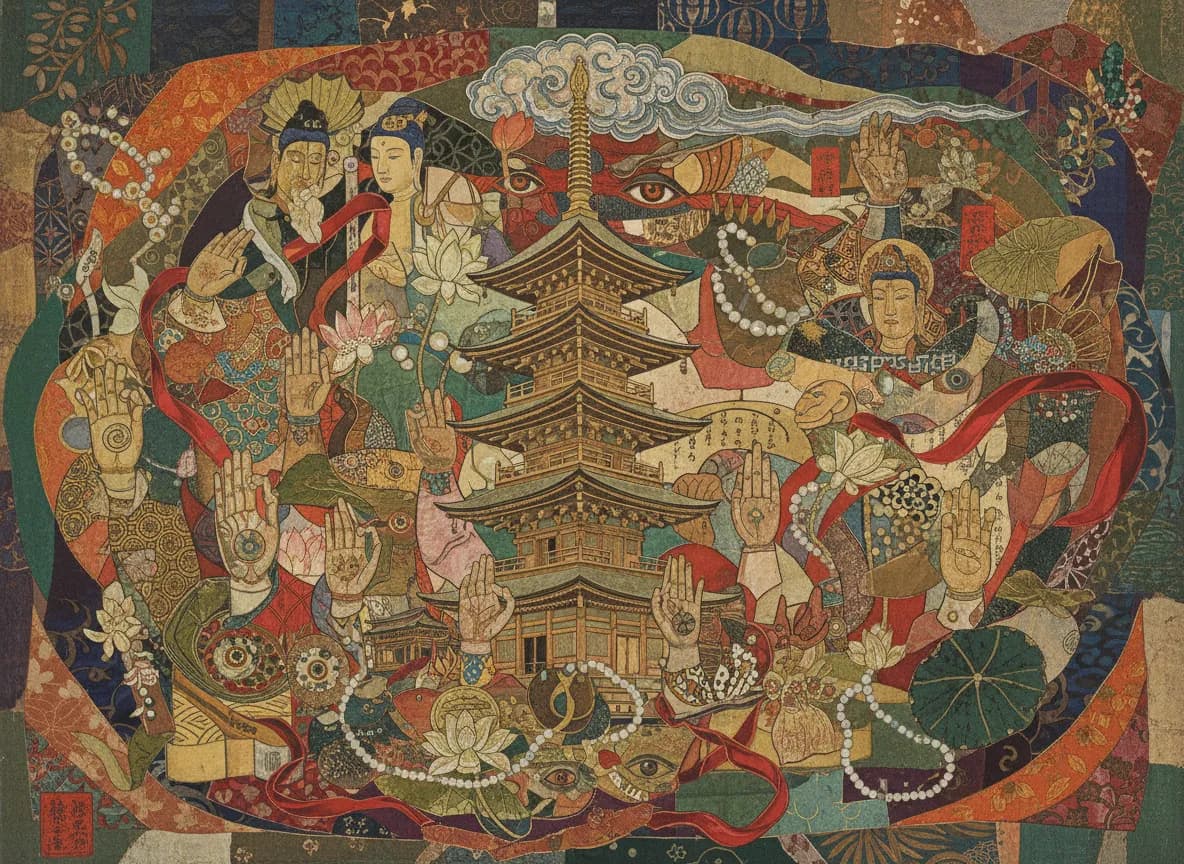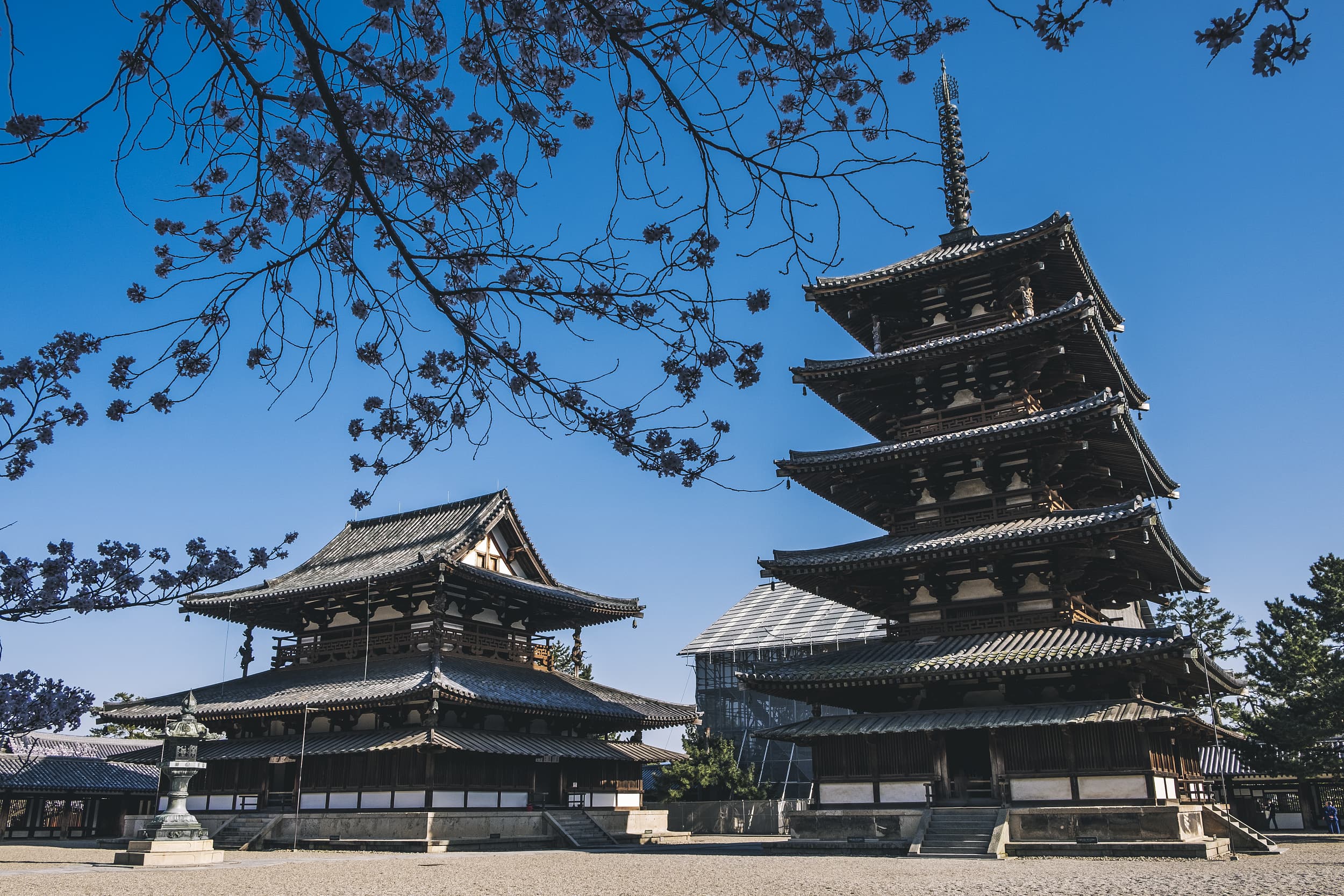
Horyuji Temple, also known as Ikaruga-dera Temple, is a pivotal site in Japanese history and a designated UNESCO World Cultural Heritage site. Founded in 607 by Prince Shotoku, it is celebrated for its Saiin Garan, which contains some of the world's oldest wooden structures. The temple complex is a living testament to the architectural styles and Buddhist art of the Asuka period, housing numerous National Treasures and Important Cultural Properties, including ancient paintings, sculptures, and Buddhist statues.
Visitors frequently highlight the profound historical atmosphere and the impressive preservation of the ancient wooden buildings. Many reviewers, especially those with an interest in architecture or history, find the site deeply rewarding, noting the intricate details and the sheer age of the structures. The expansive grounds, divided into East and West courtyards, are often described as beautiful and tranquil, providing a peaceful experience. However, some visitors mention that the entry fee is somewhat expensive, and the remote location can be a minor inconvenience.
To make the most of your visit, plan for at least 2-3 hours to explore both the East and West courtyards thoroughly. Arriving early in the morning is recommended to avoid crowds and experience the temple's serene ambiance. Photography is prohibited inside the main halls, particularly where the Kannon Bodhisattva statues are housed, so be prepared to appreciate these artifacts without your camera. Reviewers suggest bringing cash for bus tickets and the entrance fee, as card payments may not always be available. Comfortable walking shoes are essential due to the large area covered by the temple grounds.
Getting to Horyuji Temple requires a bit of planning. From JR Nara Station, you can take a local train and then a bus. Several reviewers mention taking a bus from either entrance of Nara Station, with some noting that the bus schedule can be infrequent, especially later in the day. Alternatively, some visitors walk from JR Horyuji Station, though this is described as a bit of a walk. If driving, parking is available and generally convenient, as noted by some visitors.
A common complaint is the temple's relative isolation compared to other Nara attractions. To mitigate this, check bus schedules in advance, especially for return journeys. While the ticket price is mentioned as being on the higher side by some, the consensus among those interested in history and architecture is that the experience is well worth the cost.