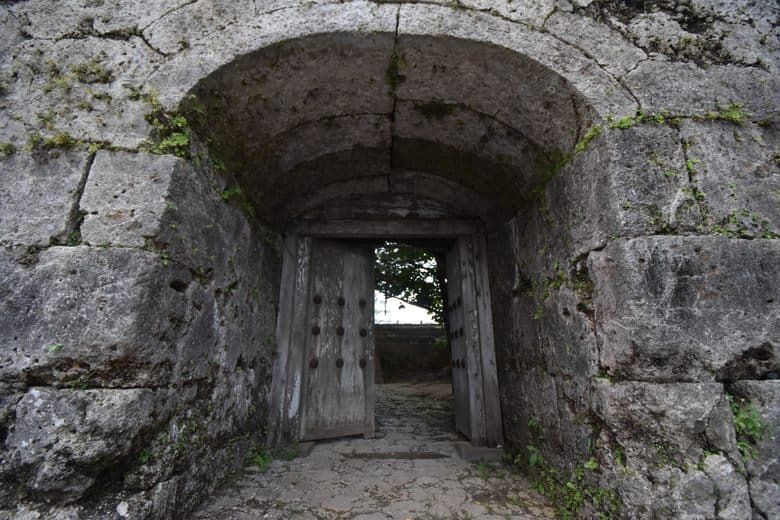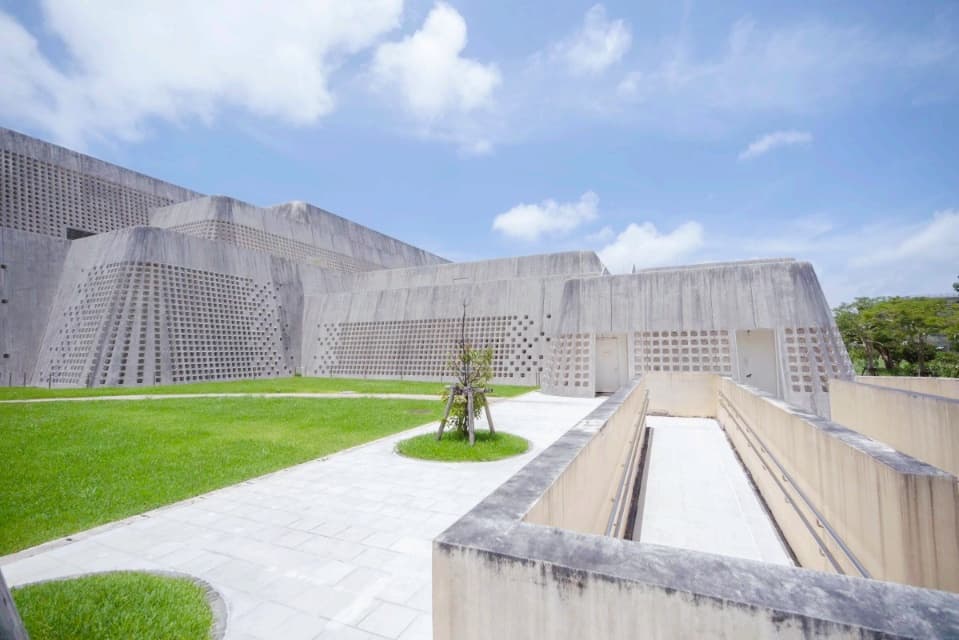
The Okinawa Prefectural Museum and Art Museum, often referred to as "Okimyu," serves as a vital institution for understanding the distinct history, culture, and natural environment of Okinawa. Its striking modern architecture, resembling a fortress or an ancient Gusuku (Okinawan castle), makes it a landmark in Naha's Shintoshin district. The complex is divided into a museum section, focusing on natural history, archaeology, folk customs, and the island's tumultuous past, and an art museum showcasing Okinawan and Okinawa-related art.
Visitors frequently commend the museum for its well-organized and informative permanent exhibitions, which provide a chronological journey from prehistoric Okinawa to the modern era. Many reviewers highlight the sections on Ryukyu Kingdom history, local customs, and the impact of World War II as particularly insightful. The availability of free audio guides in multiple languages, including English, Chinese, Korean, and Spanish, is consistently praised for enhancing the visitor experience and making complex historical narratives accessible. The natural history exhibits, particularly those on local flora and fauna, also receive positive mentions. While the art museum side features contemporary and historical Okinawan art, some visitors find its offerings more niche, suggesting it might be skipped if time is limited or if one is not specifically interested in Okinawan artists.
To make the most of your visit, plan to spend 2-3 hours, focusing primarily on the museum's permanent exhibition. If you intend to explore both the museum and the art gallery, allocate 3-5 hours. Reviewers suggest obtaining the free audio guide at the entrance, as it significantly aids in understanding the exhibits, especially where English translations might be sparse. Consider visiting on a rainy day, as it provides an excellent indoor activity. The museum shop is noted for its good selection of Okinawa-themed souvenirs. For families, there's an interactive kids' area that offers a hands-on experience of Okinawan culture.
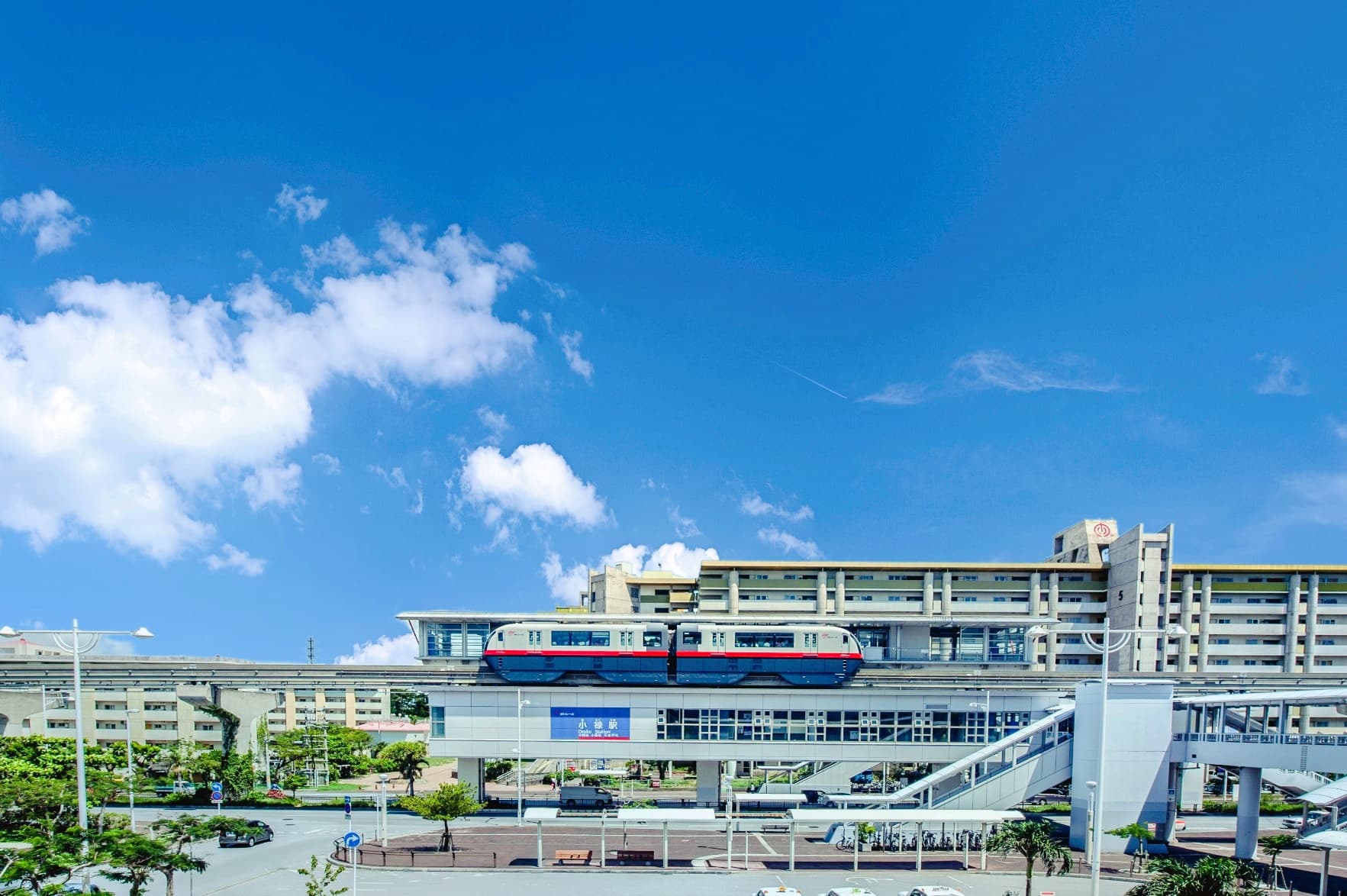
The museum is conveniently located and easily accessible. It's about a 10-15 minute walk from Omoromachi Station on the Yui Rail monorail line. Several bus routes also serve the area, with stops near the museum. For those driving, free parking is available. The museum is situated within Shintoshin Park, close to shopping centers like Naha Main Place, making it easy to combine a visit with other activities in the area.
A common complaint among some visitors is the occasional lack of English translations for certain exhibit texts, particularly in the art museum or specific temporary exhibitions. However, this can largely be mitigated by utilizing the comprehensive free audio guide. Another point raised is the separate ticketing for the museum and art gallery, and sometimes for special exhibitions, which can feel fragmented. To address this, consider purchasing a combined ticket if you plan to see both, or prioritize the main museum's permanent exhibition if you have limited time or specific interests.