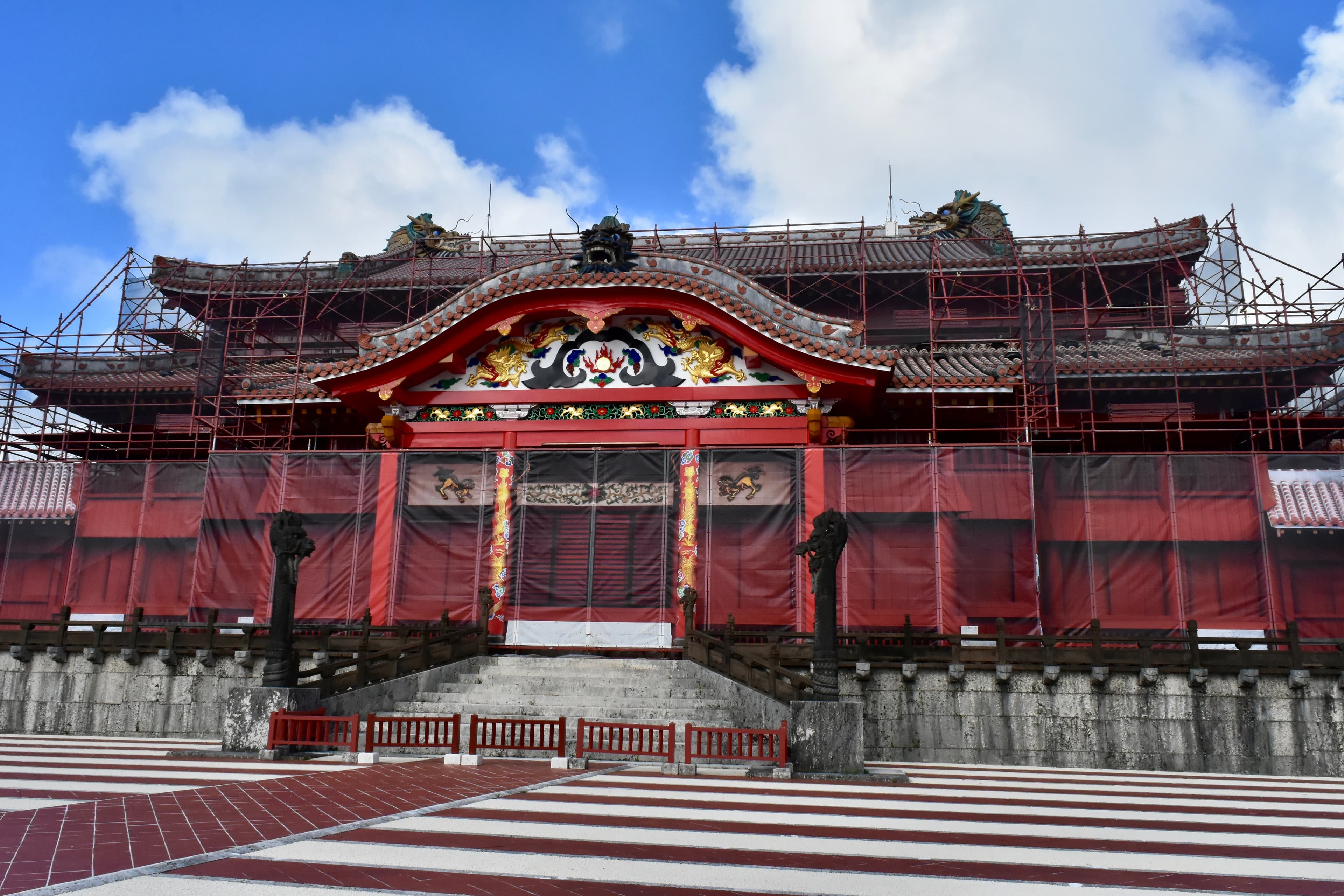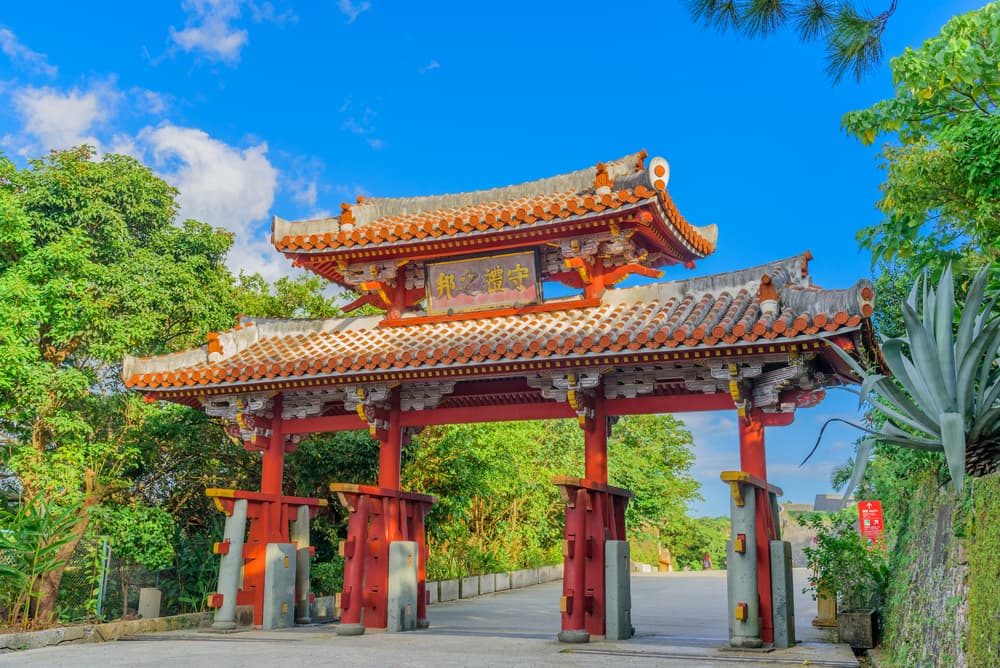
Shurijo Castle, once the royal palace of the Ryukyu Kingdom, is a UNESCO World Heritage site that embodies the rich history and distinct culture of Okinawa. Its architecture is a fascinating blend of Chinese, Japanese, and indigenous Ryukyuan elements, reflecting the kingdom's historical role as a maritime trading hub. Although the main hall was tragically destroyed by fire in 2019, the castle remains a powerful symbol of Okinawan identity and resilience, with extensive reconstruction efforts currently underway.
Visitors consistently praise the opportunity to witness the reconstruction process firsthand, with many finding it inspiring to see the dedication to rebuilding. The intact gates, walls, and surrounding park areas offer beautiful scenery and numerous photo opportunities. Reviewers frequently highlight the unique architectural style, which stands apart from mainland Japanese castles, and the informative exhibits that delve into Ryukyu history and culture. The stamp rally, where visitors collect stamps at various points, is a popular activity, especially for families, as it adds an interactive element to the exploration and can even lead to small souvenirs. Many also appreciate the well-maintained grounds and the friendly, helpful staff.
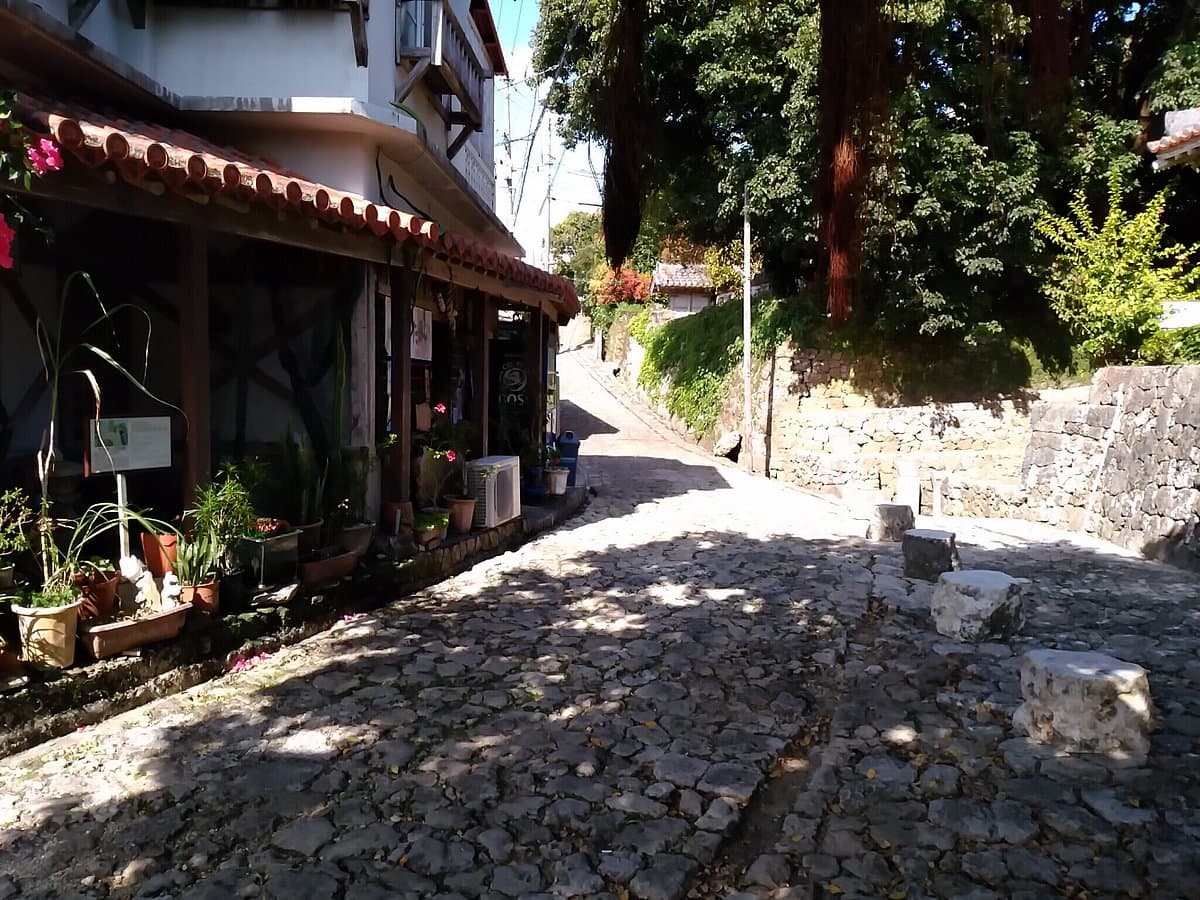
To make the most of your visit, plan for 2 to 3 hours, especially if you intend to explore the paid sections and participate in the stamp rally. Wear comfortable walking shoes, as there are many steps and uphill paths; some visitors note the climb can be challenging for those with mobility issues. Bringing water is also advisable, particularly on hot days. While the main hall is under reconstruction, the paid area still offers insights into the restoration process and access to some exhibits. Consider visiting in the morning to avoid crowds and the midday heat. Some visitors recommend skipping the paid interior if your primary interest is the exterior architecture and views, as much of the main structure is currently covered.
Shurijo Castle is easily accessible by public transport. Take the Yui Rail monorail to Shuri Station, which is the last stop. From there, it's about a 15-minute walk (approximately 1 km) to the castle entrance. Reviewers suggest looking for a shortcut near FamilyMart or asking locals for directions. For those driving, there is an underground parking lot available for a fee (e.g., 320-600 yen), which offers convenient access. If arriving by taxi from the Naha cruise port, the ride is typically less than $20.
The primary complaint among recent visitors is the ongoing reconstruction, which means the main hall is not fully visible. Some feel the entrance fee is steep given the limited access to the main structure. To mitigate this, manage your expectations by understanding that you will be observing a restoration site rather than a fully restored castle. Focus on the historical significance, the unique architecture of the remaining structures, the panoramic views, and the educational aspects of the reconstruction. Utilizing the monorail pass for a discounted entry fee is also a practical tip mentioned by several visitors.