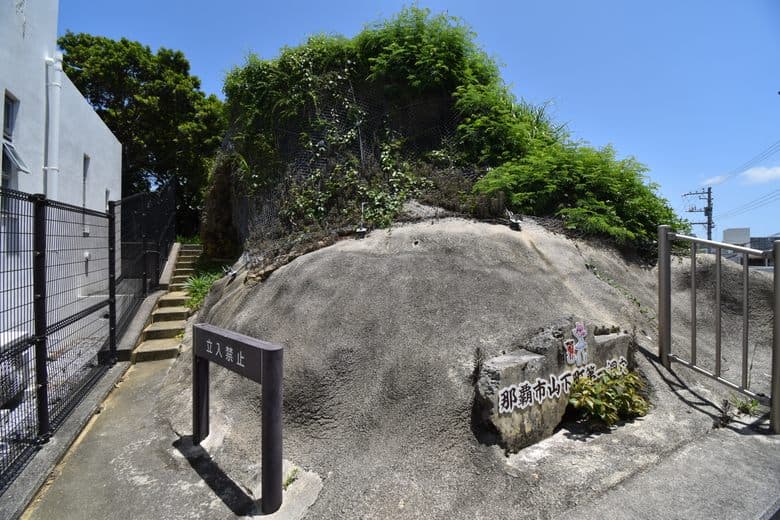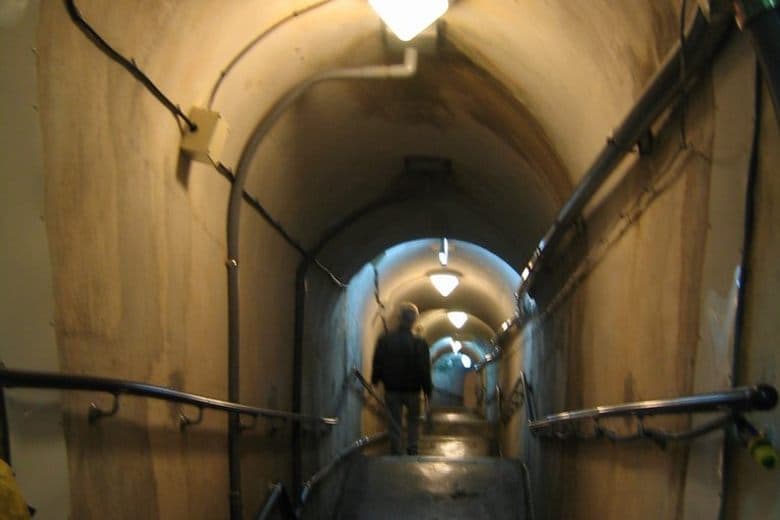
The Former Japanese Naval Underground Headquarters is a historically significant site in Tomigusuku, Okinawa, offering a direct glimpse into the final stages of World War II's Battle of Okinawa. These extensive underground tunnels served as the command center for Rear Admiral Minoru Ota and his staff, representing a critical, albeit tragic, chapter in Japanese military history. The site stands as a solemn memorial to the thousands of lives lost and the extreme conditions faced during the conflict.
Visitors consistently describe the experience as deeply moving and sobering. Many note the preserved state of the tunnels, which convey a powerful sense of the past. The visible grenade blast marks on the walls and the etched farewell message from Rear Admiral Ota are frequently highlighted as particularly impactful details, bringing the historical narrative to life. Reviewers often emphasize the quiet, reflective atmosphere, which encourages contemplation of the sacrifices made. Some visitors, however, find the experience emotionally challenging due to the somber nature of the site.
For a meaningful visit, allocate approximately 1 to 1.5 hours to explore the tunnels and the small museum. It is advisable to wear comfortable shoes as the tunnels can be damp and uneven in places. Bringing a light jacket might also be beneficial, as the underground environment can be cooler than outside. The best time to visit is typically in the morning to avoid larger crowds, allowing for a more reflective experience. While there are no specific items to skip, visitors should be prepared for a quiet and respectful atmosphere.
The headquarters are accessible by public transport, though a bus ride followed by a walk is usually required. From Naha, visitors can take a bus towards Tomigusuku. The nearest bus stop is often a short walk from the entrance. Driving is also an option, and parking facilities are available on site. Specific bus routes and schedules can be confirmed with local transport information services. The site is well-signposted once in the vicinity.
A common complaint is the emotional intensity of the site, which can be overwhelming for some. To mitigate this, visitors might consider reading about the history beforehand to prepare themselves, or visiting during off-peak hours for a more solitary experience. Some also mention the lack of extensive English signage in certain areas, so bringing a translation app or a guide might enhance understanding.