The Ohara Museum of Art holds a unique place in Japanese cultural history as the nation's first private museum focused on Western art. Established in 1930 by businessman Magosaburo Ohara, it houses an extraordinary collection of European masterpieces, including works by Impressionists and Post-Impressionists like Monet, Renoir, Gauguin, and Van Gogh, as well as earlier masters such as El Greco. Beyond its Western holdings, the museum also features significant Japanese art, including works by Torajiro Kojima, and a collection of Asian antiquities and crafts, making it a diverse and compelling cultural destination.
Visitors frequently express surprise and delight at the caliber of the collection, often remarking on the presence of original works by world-renowned artists in a relatively small museum outside major metropolitan areas. Many praise the museum's intimate atmosphere, which allows for a more personal engagement with the art compared to larger, more crowded institutions. The collection is spread across several buildings, including the main Western art gallery, an annex for Japanese art, and a craft gallery, all set within charming gardens. Reviewers often highlight the 'Annunciation' by El Greco and the Monet paintings as particular standouts. The museum's commitment to art education and its historical significance as a pioneer in introducing Western art to Japan are also frequently noted.
To make the most of your visit, plan for approximately 1.5 to 2 hours, though art enthusiasts might easily spend longer. Many visitors recommend purchasing the audio guide (for an additional fee) for deeper insights into the collection. While photography is generally not permitted inside the galleries, the museum's exterior and surrounding gardens offer picturesque photo opportunities. Some reviewers mention that the entrance fee of ¥2,000 (or ¥1,300 depending on the specific ticket type and any discounts) can feel a bit steep for the size of the collection, but most agree the quality of the art justifies the cost. Look for potential discounts, such as those offered at the Kurashiki International Hotel, as mentioned by some visitors.
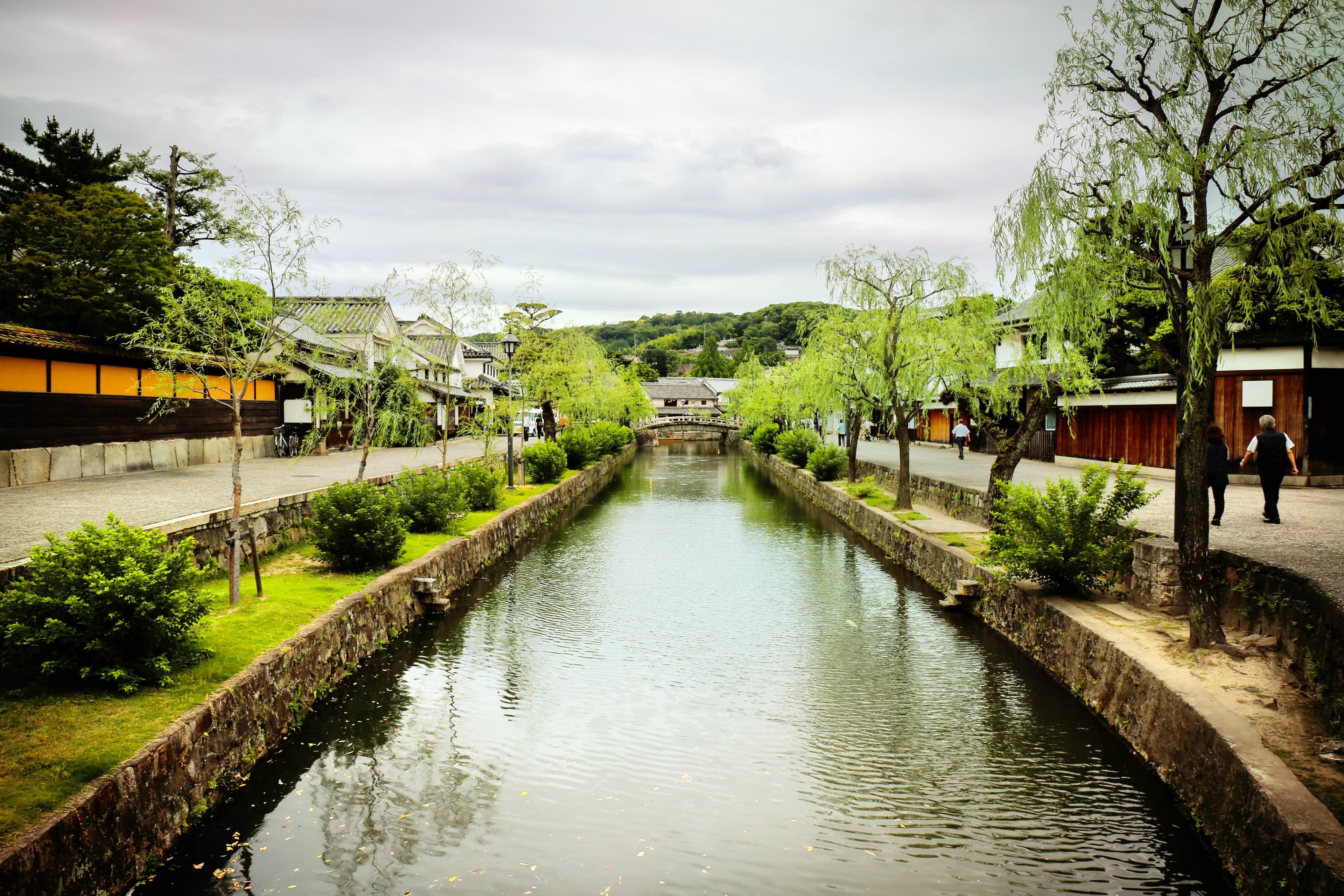
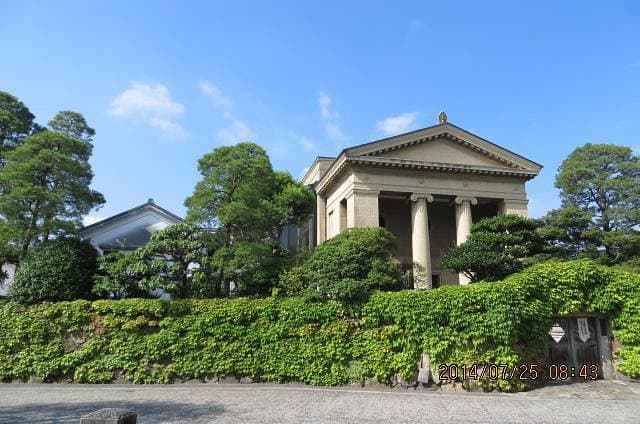
The Ohara Museum of Art is conveniently located in the heart of the Kurashiki Bikan Historical Quarter, making it easily accessible on foot from most points of interest in the area. From Kurashiki Station, it's about a 15-minute walk through the scenic canal area. The museum's distinctive Greek temple-like facade makes it easy to spot. As the Bikan Quarter is largely pedestrian-friendly, walking is the recommended mode of transport once you arrive in Kurashiki. For those driving, public parking lots are available in the vicinity, though navigating the narrow streets of the historical district can be challenging.
A common complaint among visitors is the strict no-photography policy inside the galleries, which some find restrictive. Additionally, a few reviewers note that some artworks are displayed behind glass, which can sometimes hinder appreciation due to reflections. To mitigate this, try to view pieces from different angles to minimize glare. While the collection is not massive, its quality is consistently praised, so manage expectations regarding quantity and focus on the significant pieces on display. The museum sometimes rotates its exhibits, so specific pieces might not always be on view.