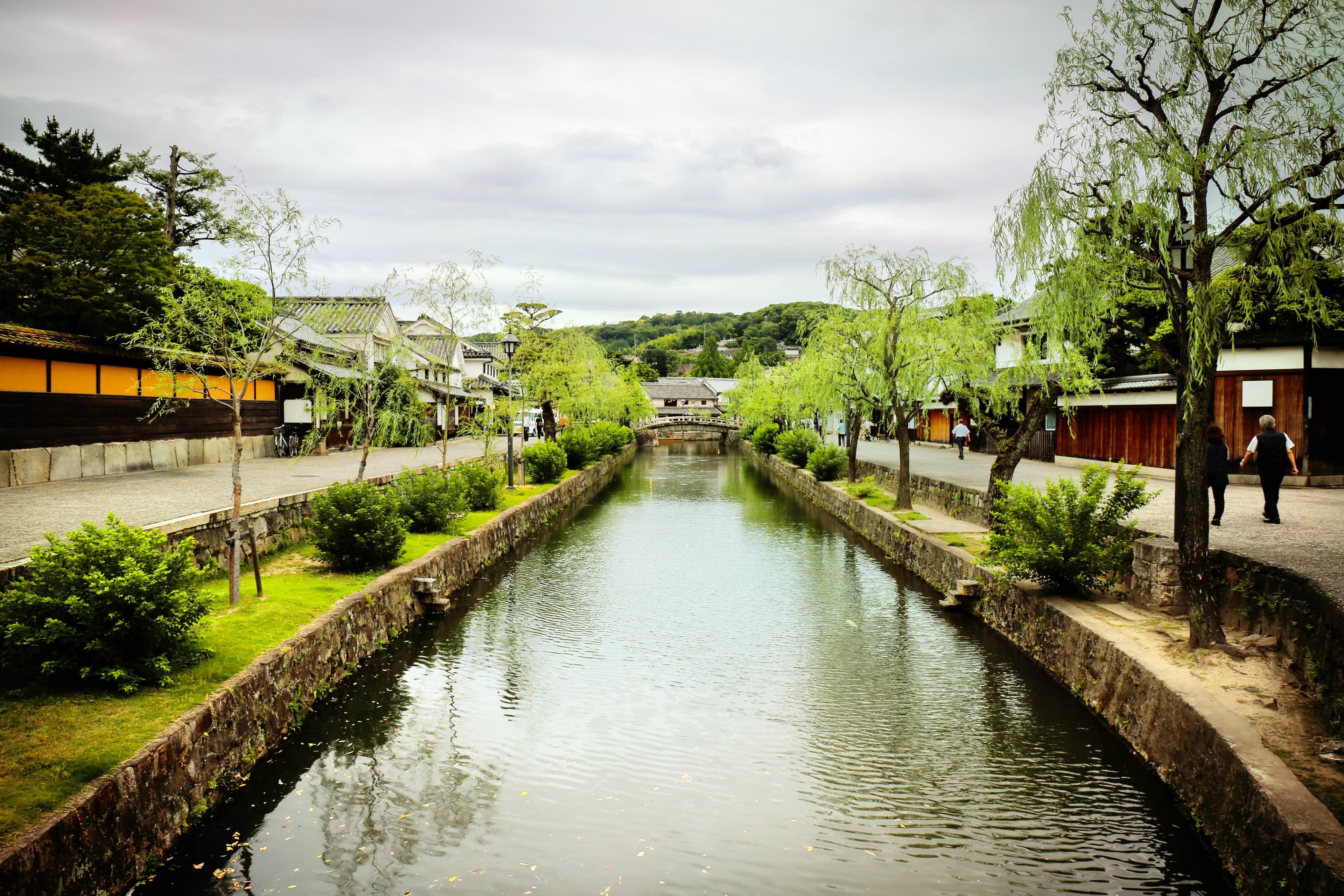
The Kurashiki Bikan Historical Quarter is a remarkably preserved area that transports visitors to Japan's Edo period. Once a vital rice distribution hub, its picturesque canal, traditional white-walled merchant houses, and willow trees create a unique atmosphere. It stands as a testament to Japan's rich history and architectural heritage, offering a glimpse into a bygone era of prosperity and trade.
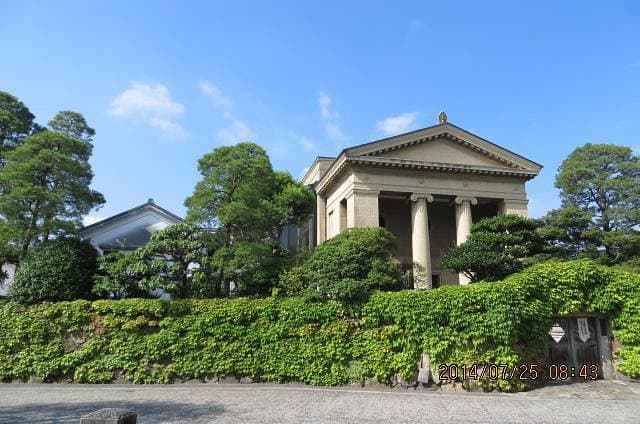
Visitors consistently praise the quarter's scenic beauty, often describing it as postcard-perfect and a "real-life watercolor painting." Many highlight the tranquil canal, with its small boats and resident swans, as a central feature. The area is also lauded for its diverse offerings, including numerous shops selling local crafts (especially denim products and masking tape), souvenirs, and a wide variety of food stalls and cafes. The Ohara Museum of Art, housing Western and Japanese masterpieces, is frequently mentioned as a significant cultural highlight within the quarter. Reviewers appreciate the blend of historical ambiance with modern amenities, making it enjoyable for various interests.
For a fulfilling visit, allocate 3-5 hours, though some suggest a full day to thoroughly explore the museums and shops. Many recommend visiting in the early morning or late afternoon/evening to avoid crowds and experience a more tranquil atmosphere, especially when the modest lighting creates a tasteful night view. Taking a boat ride on the canal is a popular activity, but visitors advise buying tickets in advance, especially on weekends, as they sell out quickly. Exploring the numerous side streets and alleys is encouraged to discover hidden gems and unique shops. While the area is generally flat and easy to walk, comfortable shoes are advisable for extended exploration.
The Kurashiki Bikan Historical Quarter is conveniently located about a 10-15 minute walk from JR Kurashiki Station. Clear signposts guide the way, and some visitors suggest taking the covered shopping street route for a more pleasant walk. Buses are also available for a shorter ride. For those traveling from Okayama, a local JR train takes approximately 20-30 minutes, making it an easy day trip. If coming from further afield, such as Osaka, a Shinkansen to Okayama followed by a local train to Kurashiki is a common route. Drivers should note that while possible, public transport is highly recommended due to the pedestrian-friendly nature of the quarter.
A common complaint among some visitors is that the area can feel overly touristy and crowded, particularly during peak hours and weekends. To mitigate this, arriving early in the morning or visiting in the evening when shops close and tour groups depart can offer a more serene experience. Some also note that the canal section is relatively short, and the comparison to "Venice of Japan" might set unrealistic expectations. However, by exploring beyond the main canal to the side streets and museums, visitors can find deeper engagement and avoid feeling that the experience is too brief or superficial.