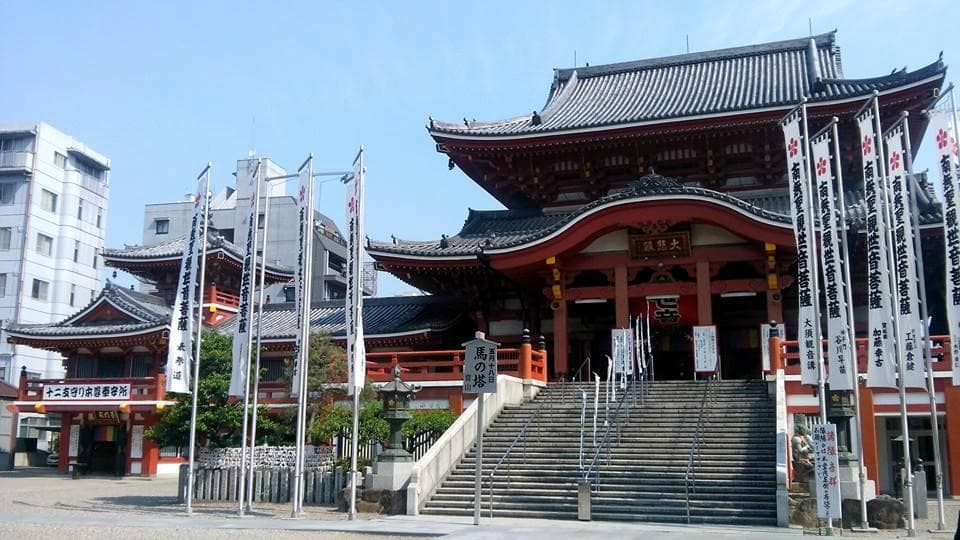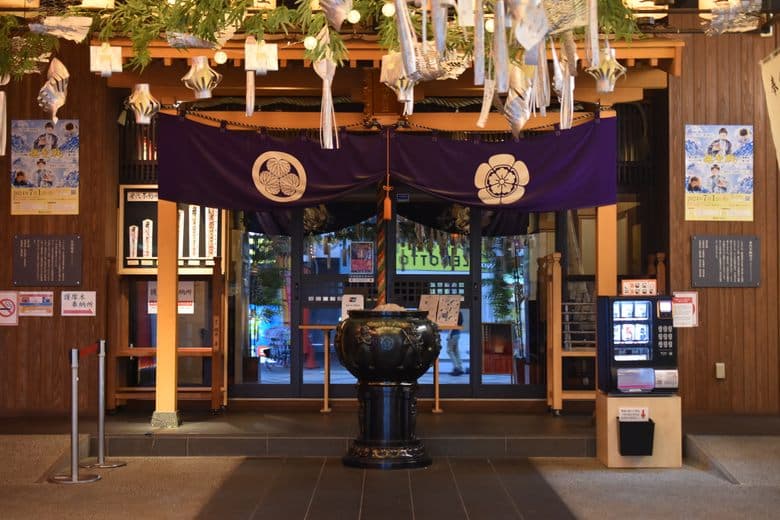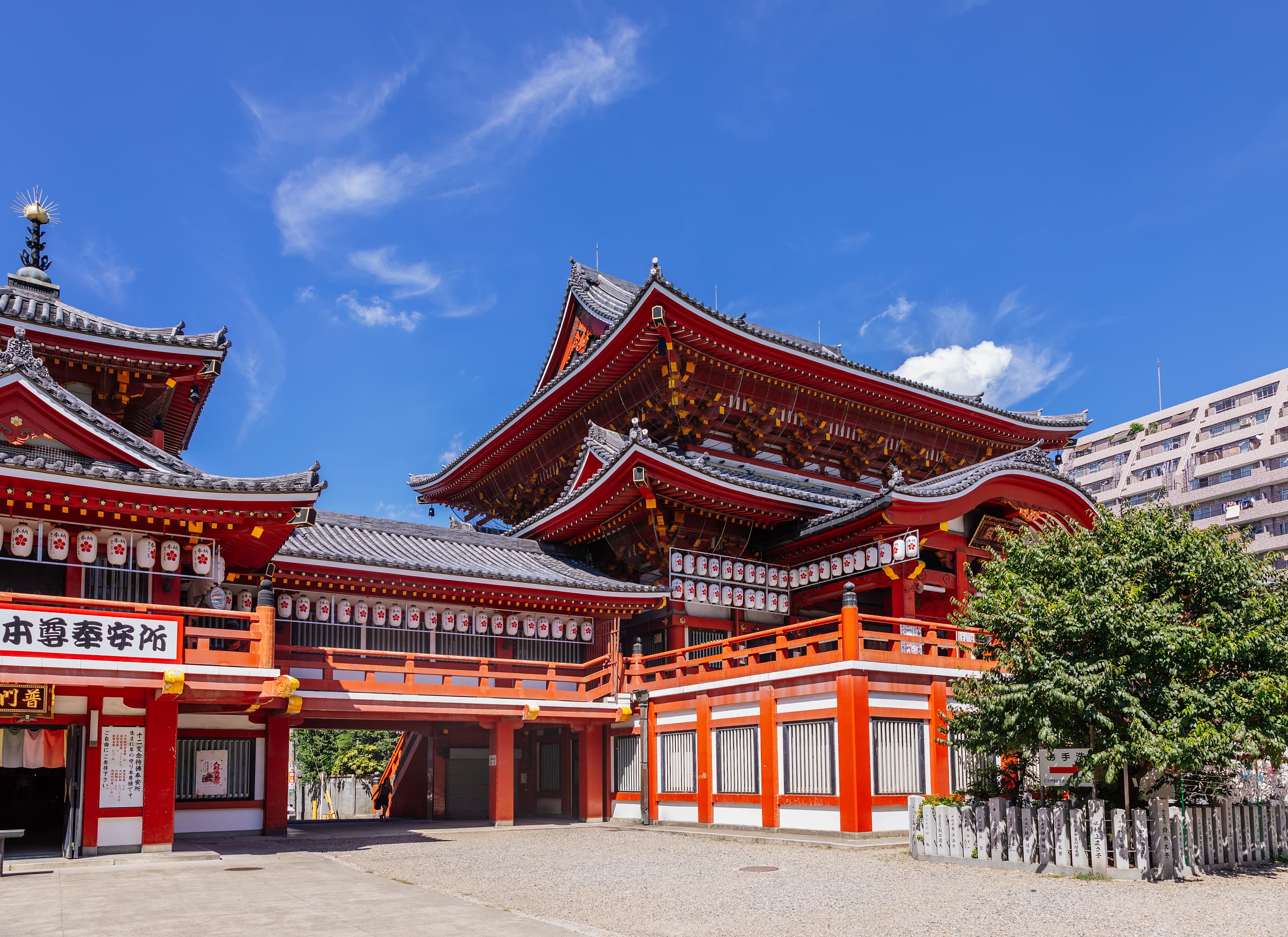
Osu Kannon, officially known as Kitanoyama Shinpuku-ji Hosho-in Temple, is a prominent Buddhist temple in Nagoya, celebrated as one of Japan's three great Kannon temples. Its historical significance is profound, housing a library with 15,000 ancient books, including a copy of the Kojiki, making it a vital cultural repository. Originally founded in 1333 in Gifu, the temple was meticulously relocated to its current site in Nagoya in 1612 by Tokugawa Ieyasu, becoming the spiritual anchor for the development of the surrounding Osu area into the vibrant shopping district it is today.
Visitors consistently praise Osu Kannon for its beautiful architecture, particularly the classic red color, and its peaceful atmosphere despite being in a bustling city center. Many appreciate that entry is free, allowing for a relaxed visit. The temple grounds are often noted for the presence of numerous doves, which visitors can feed, adding to the tranquil experience. Its direct proximity to the Osu Shopping Street is a major draw, with reviewers frequently recommending combining a temple visit with shopping and enjoying local snacks. The temple also hosts an antique market on the 18th of every month and various Buddhist activities, particularly in October, which are highlighted as unique experiences.
To make the most of your visit, plan to spend 1-2 hours at the temple itself, allowing additional time for the shopping street. Many visitors suggest arriving in the late morning or early afternoon to experience both the temple's serenity and the shopping street's lively atmosphere. Bringing some small change for offerings or to feed the doves is a good idea. While the temple is not large, its historical depth and connection to the shopping district offer a rich experience. Reviewers advise against visiting too early, as many shops in the adjacent street open around 11 AM.
Osu Kannon is exceptionally accessible by public transport. Many visitors note that it is right outside Osu Subway Station or a short walk from Osu Kannon Station on the Meitetsu Tsurumai Line (approximately 250 meters). For those arriving at Kamimaezu Station, exit 9 places you just two blocks from the shopping area, which leads directly to the temple. Its central location makes it convenient to reach by bus or train, and its pedestrian-friendly surroundings mean no driving or parking is necessary.
Common complaints are few but primarily relate to the shopping street rather than the temple itself. Some visitors find the shopping street to be similar to others in Japan, or that shops close early (around 6:30 PM for clothing, 7:45 PM for food). To mitigate this, plan your visit for a weekday afternoon to avoid weekend crowds and ensure shops are open. If you've visited many Japanese shopping streets, manage expectations for unique offerings, though many still find it enjoyable for its local vibe and diverse range of goods, including vintage items and international food.