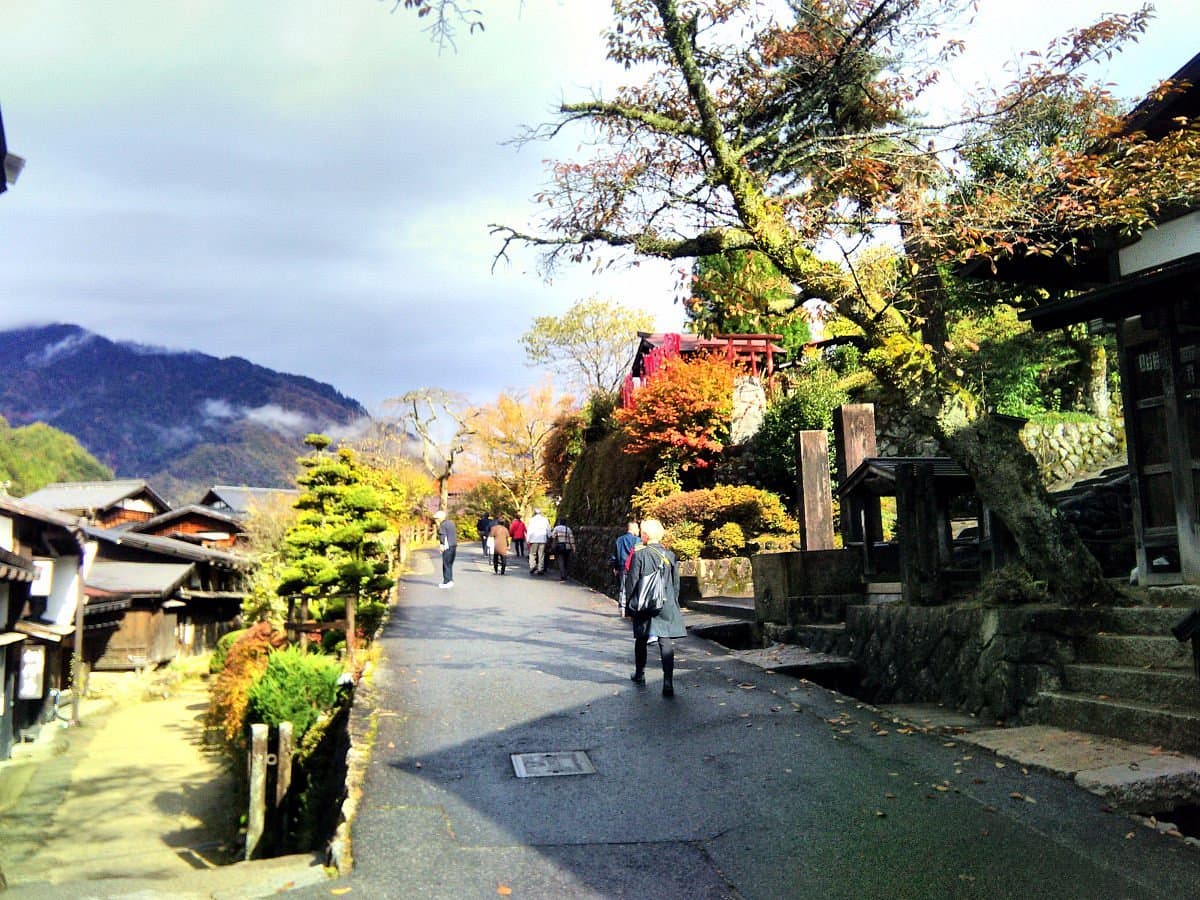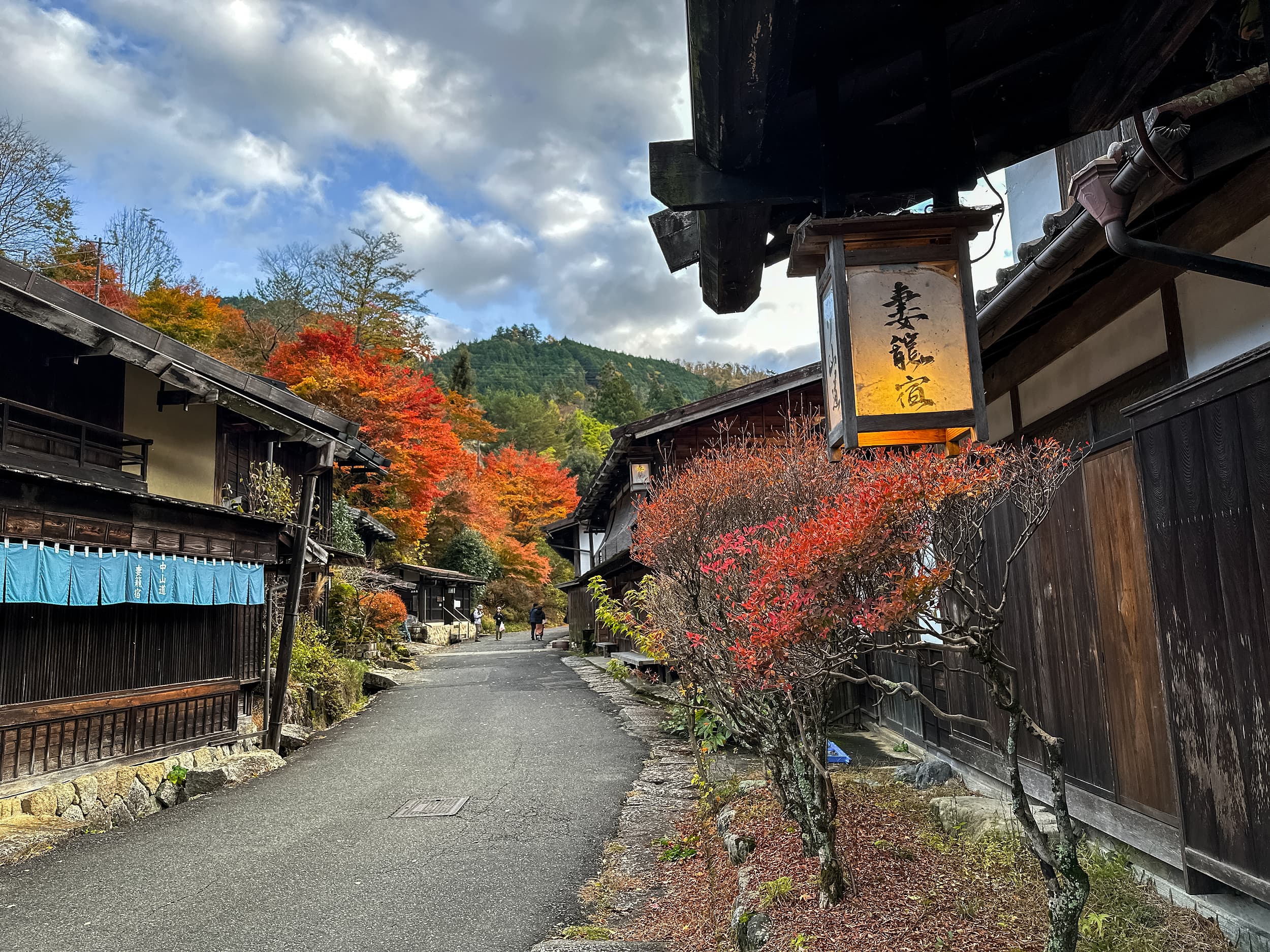
Tsumago-juku is a meticulously preserved post town along the ancient Nakasendo Road, which once connected Edo (Tokyo) and Kyoto. It stands as a living museum, offering visitors a rare opportunity to experience the architecture and atmosphere of Japan's Edo period (1603-1868). Unlike many historical sites, Tsumago-juku was the first traditional village in Japan to be restored and preserved in its original appearance, a testament to its historical significance and the community's dedication to maintaining its heritage.
Visitors consistently praise the town's authentic feel, noting the absence of modern intrusions like power lines and cars, which are deliberately hidden or restricted. The traditional inns, simple shops, and well-maintained ponds and gardens contribute to a serene and immersive experience. Reviewers highlight the quiet, ancient atmosphere, making it a perfect antidote to the hustle and bustle of major Japanese cities. The ability to walk the entire trail, even for older visitors, is frequently mentioned as a positive aspect, suggesting a manageable and enjoyable experience for various fitness levels.
To fully appreciate Tsumago-juku, visitors should plan for a leisurely pace, typically spending 1-3 hours exploring the main street and its various historical buildings. The best time to visit for autumn foliage is usually late October, though some reviewers note that leaves may not be fully colored until early November. Bringing comfortable walking shoes is essential, especially if planning to hike the scenic Magome-Tsumago trail. It's advisable to carry some cash, as smaller, traditional shops may not accept cards. Since the village is designed to avoid large tour groups, visitors can expect a more intimate experience.
Tsumago-juku is located in Kiso District, Nagano Prefecture. While deep in the mountains, it is accessible. The nearest train station is Nagiso Station on the JR Chuo Main Line. From Nagiso Station, local buses run to Tsumago-juku, or taxis are available. Many visitors choose to walk the approximately 60-90 minute scenic trail from Magome-juku to Tsumago-juku, which is a highly recommended experience for its natural beauty and historical context. Driving is also an option, with parking available near the village, though the charm lies in its pedestrian-friendly nature.
A common observation is that while the village is beautifully preserved, some visitors might find the experience too quiet or lacking in overt "attractions" if they are expecting a more commercialized tourist destination. To mitigate this, approach Tsumago-juku as a cultural immersion rather than a series of sights to check off. Embrace the tranquility, explore the small museums, and appreciate the architectural details to fully enjoy its unique charm.