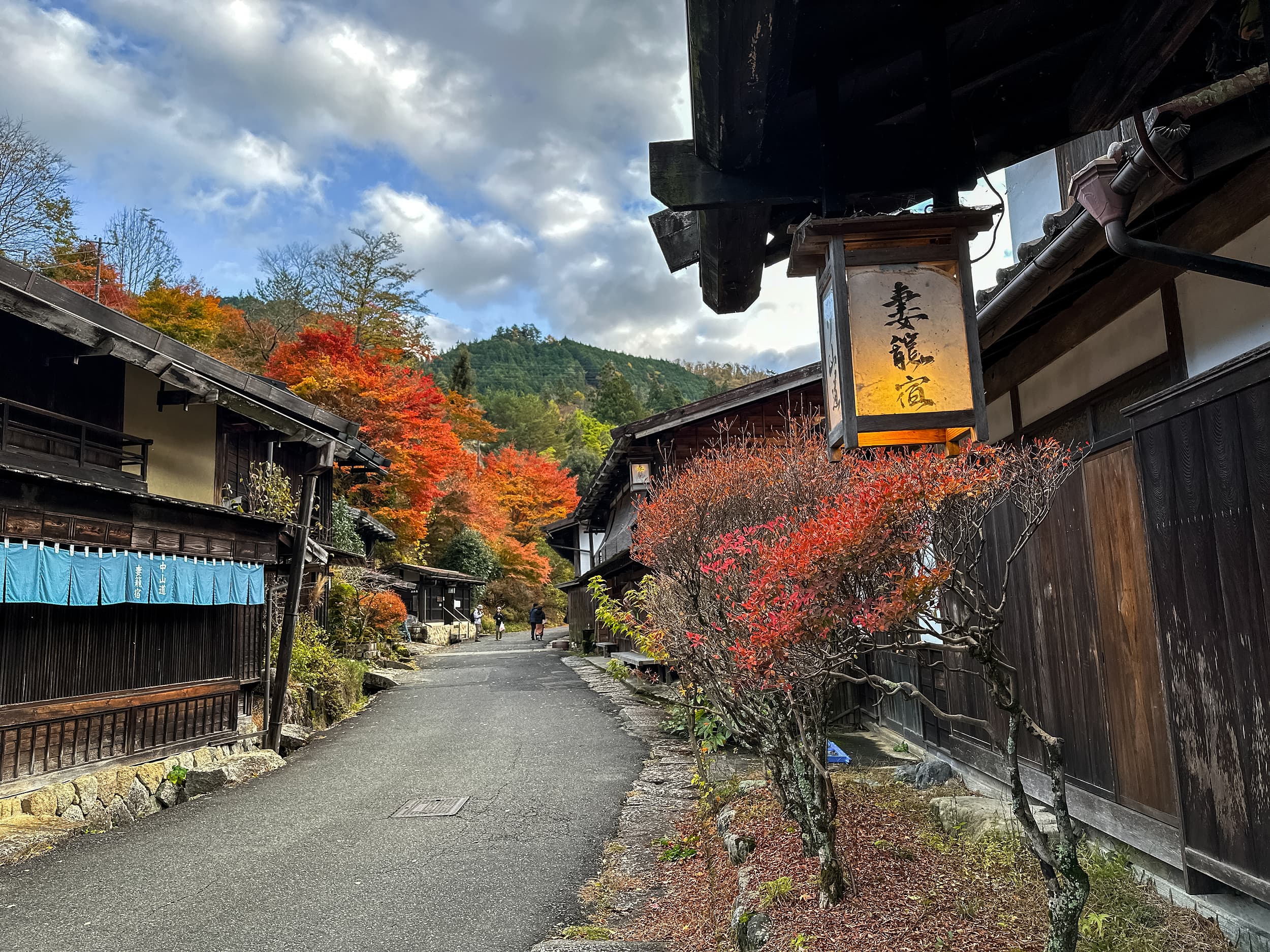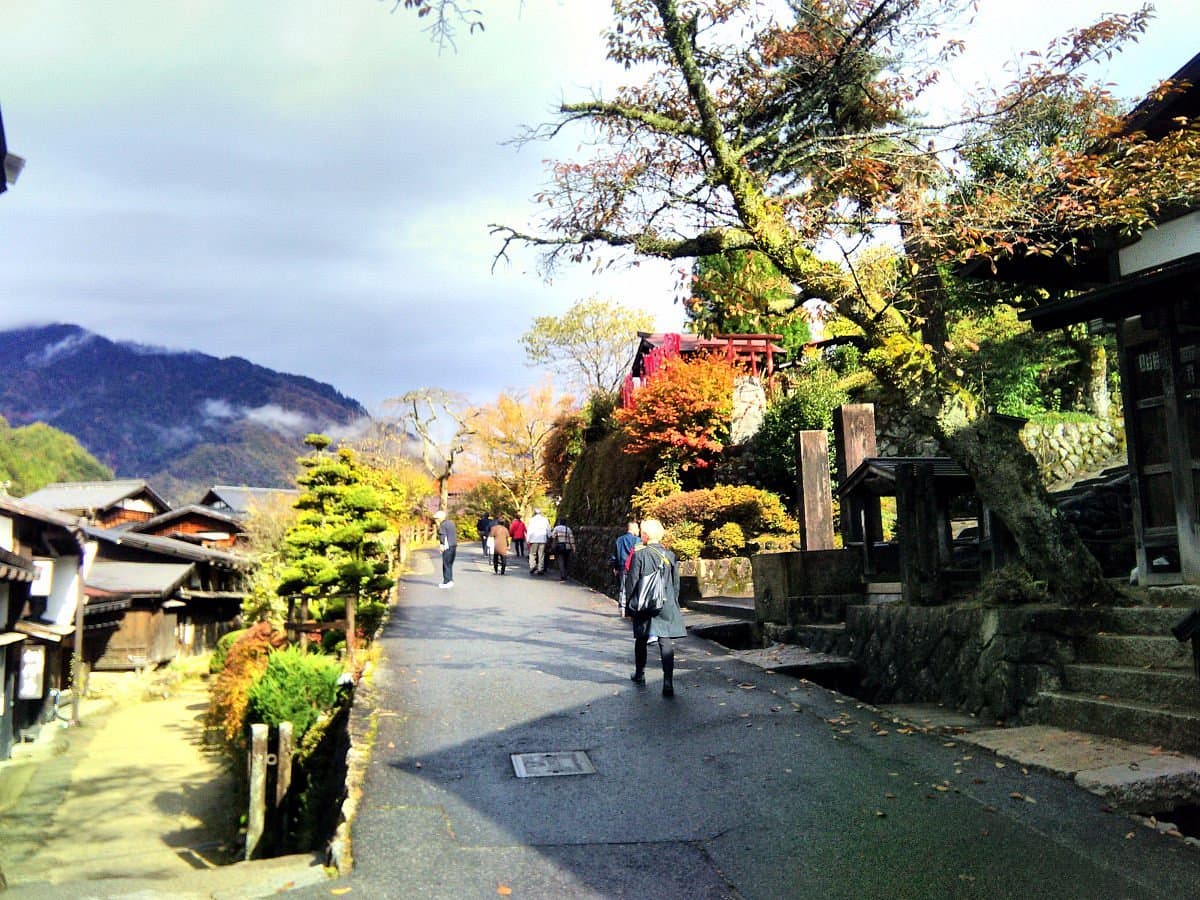
What this place is: Tsumago-juku is the 42nd post town (juku) on the historic Nakasendo trail, a 400-year-old postal route that connected Edo (Tokyo) to Kyoto during the feudal period (1603–1867). The town has been meticulously preserved since 1967, when local residents banded together to restore its original wooden buildings and prevent modernization. Today, it functions as both a living village and an open-air museum of Edo-period life, offering visitors a rare glimpse into pre-industrial Japan without the heavy commercialization found in some other heritage sites.
What visitors consistently praise: Reviewers overwhelmingly highlight the authenticity of the wooden architecture—all buildings are original, with no plywood or modern advertising banners. The main street (Terashita) is lined with traditional inns, small family-run shops selling local crafts and souvenirs, and modest restaurants. Visitors note that Tsumago feels quieter and less crowded than the nearby post town of Magome, especially in early morning or late afternoon, making it feel more authentic. The 8km hiking trail connecting Tsumago to Magome is consistently praised as accessible and well-marked, taking 2.5–3 hours at a leisurely pace. Reviewers mention a volunteer-run free tea house halfway along the trail as a highlight, and several note the presence of waterfalls and forest scenery. The autumn foliage (koyo) season is particularly popular, with visitors reporting stunning colors and manageable crowds in November.
Common experience notes: Most visitors walk from Magome to Tsumago rather than the reverse, as the first 1–2km from Magome is steep uphill, followed by a gentler descent to Tsumago. Reviewers emphasize that while the trail is described as "easy," it is physically demanding for unfit hikers, especially in summer heat (temperatures exceeding 35°C/95°F). Several visitors mention the trail crosses roads occasionally and is not entirely isolated forest. The town itself can feel quiet to the point of appearing "dead" during off-peak times (e.g., August), with many restaurants and shops closing early or only opening on weekends. Visitors staying overnight in traditional ryokans report a peaceful, restorative experience.
Practical advice: Plan 2.5–3 hours for the Magome-to-Tsumago hike; start early (before 10am) to avoid afternoon heat and crowds. Wear sturdy hiking shoes or boots, as the trail can be slippery, especially after rain or snow. Bring 1–2 liters of water and snacks; the free tea house is a reliable midpoint rest stop. Many visitors recommend the "bag forward" service (500 yen per bag) available at the tourist information center, allowing you to hike with only a day pack. Allocate 1–2 hours to explore Tsumago itself, browsing shops and eating at local restaurants. Autumn (October–November) and spring (April–May) offer the best weather and scenery; avoid mid-summer (July–August) due to extreme heat and humidity. Winter visits are possible but require caution on icy sections. Several reviewers mention obtaining a "certificate of completion" at the tourist information office as a souvenir. Bring bear bells if hiking in spring or early summer, though bear encounters are rare.
Getting there: Tsumago is accessible via public transport from Nagoya or Matsumoto. From Nagoya, take a direct highway bus (Meitetsu bus center) to the Magome stop (approximately 90 minutes), then walk 15 minutes to Magome town, or take a local bus to Tsumago directly. Alternatively, take the JR train to Nakatsugawa Station, then a local bus to Tsumago (approximately 30 minutes). From Matsumoto, take a train to Nagiso Station, then a local bus to Tsumago (approximately 20 minutes). If driving, parking is available in designated lots near Tsumago for 500 yen. The local bus system has English signage and is straightforward to navigate. Most visitors use the bus to reach Magome, then hike downhill to Tsumago, avoiding the need to arrange car transfers.
Common complaints and mitigation: Visitors occasionally report that the trail is less isolated than expected, with occasional road crossings and distant traffic noise in the first section. Some find the town feels too quiet or touristy depending on timing and season. To mitigate: visit in shoulder seasons (April–May or October–November) for a balance of good weather and moderate crowds. Arrive early in the day to experience the town before day-trippers arrive. Be aware that many restaurants close by 5–6pm, so plan meals accordingly. A few reviewers note that signage between Nagiso and other sections of the trail can be unclear; stick to the well-marked Magome-Tsumago section if unsure.