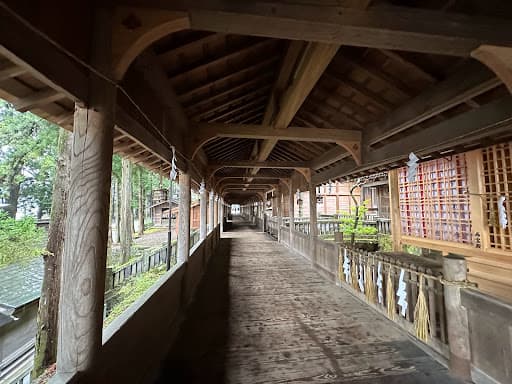
Suwa Taisha Kamisha Honmiya is the primary shrine of the Upper Shrine (Kamisha) complex of Suwa Grand Shrine, one of Japan's oldest and most important Shinto shrines. Unlike most Shinto shrines, it lacks a honden (main hall) where a deity is enshrined; instead, the deity is believed to reside in a sacred mountain behind the shrine. This unique architectural feature, combined with its ancient origins and the presence of massive sacred trees, makes it a significant site for understanding traditional Japanese spirituality and architecture.
Visitors consistently praise the tranquil and spiritual ambiance of Honmiya, often describing it as a place of profound peace and natural beauty. Many are impressed by the sheer size and age of the sacred trees, particularly the large cedar trees, which contribute to the shrine's ancient feel. The unadorned, rustic beauty of the shrine buildings, especially the four corner pillars (Onbashira) that are replaced every six years in a dramatic festival, is frequently highlighted as a key attraction. Reviewers often note the sense of history and the connection to nature that permeates the grounds.
To fully appreciate the site, visitors recommend allocating at least 1 to 2 hours. The best time to visit is during the morning or late afternoon to avoid crowds and experience the most serene atmosphere. Comfortable walking shoes are advisable, as there is some walking involved on gravel paths. While there is no entry fee, visitors often suggest bringing a small amount of cash for purchasing omamori (charms) or ema (prayer plaques) if desired. It is important to maintain a respectful demeanor, as this is an active place of worship.
Suwa Taisha Kamisha Honmiya is accessible by public transport. The nearest train station is Chino Station (茅野駅) on the JR Chuo Main Line. From Chino Station, it's approximately a 15-20 minute bus ride to the "Kamisha Honmiya-mae" (上社本宮前) bus stop, which is directly in front of the shrine. Alternatively, a taxi from Chino Station takes about 10-15 minutes. For those driving, there is parking available near the shrine, though it can fill up during peak seasons. The shrine is well-signposted from major roads in the Suwa area.
A common complaint among some visitors is the lack of extensive English signage or information, which can make it challenging to fully grasp the historical and religious significance without prior research or a guide. To mitigate this, it is recommended to read up on the Suwa Grand Shrine and its unique traditions before your visit. Additionally, while the shrine is beautiful year-round, some find it less vibrant in the depths of winter; however, others appreciate the quiet solitude of the colder months.