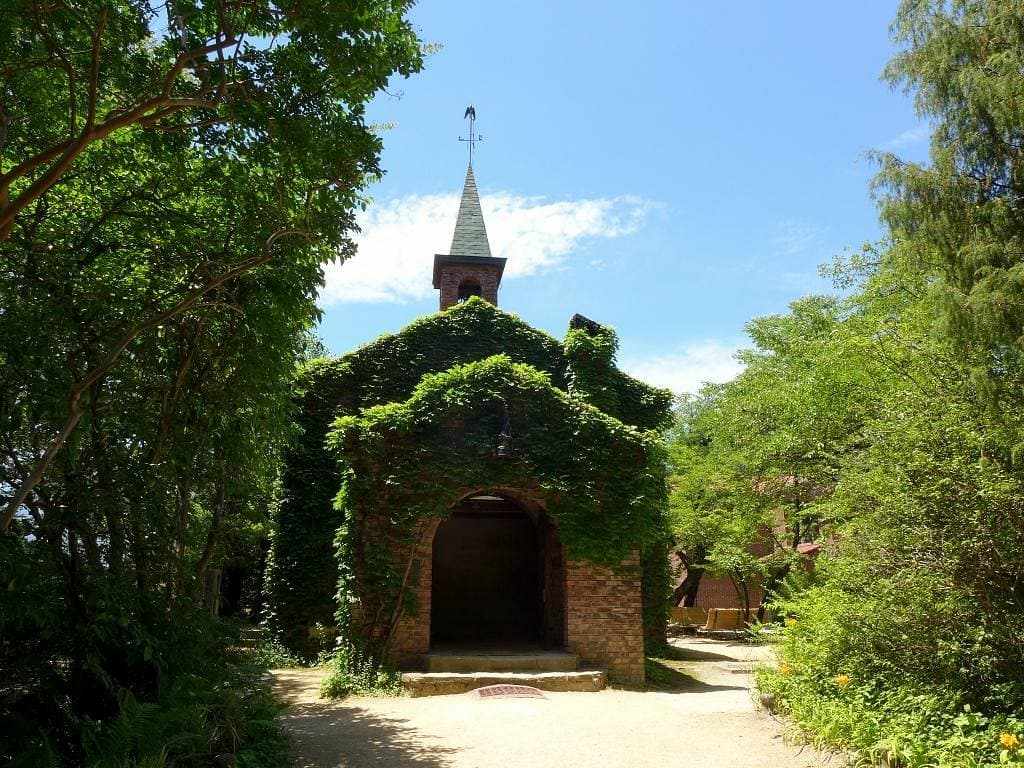
The Rokuzan Art Museum is a significant cultural institution dedicated to the works of Ogiwara Morie, also known as Rokuzan, a pioneering sculptor who introduced modern sculpture to Japan. Housed in a charming red brick building reminiscent of a church, the museum showcases Ogiwara's powerful creations and related art across four distinct exhibition spaces. It stands as a testament to his artistic legacy and offers insight into the early 20th-century Japanese art scene.
Visitors consistently praise the museum's beautiful architecture and the quality of the art, despite its modest size. Many reviewers highlight the unexpected depth and impact of Ogiwara's sculptures, often discovering his work for the first time and being deeply impressed. The peaceful atmosphere and the aesthetic appeal of the building itself are frequently mentioned as key draws, making the visit a serene and enriching experience.
For a fulfilling visit, allocate approximately 1 to 2 hours to fully appreciate the exhibits and the building's architecture. The museum is particularly pleasant during daylight hours when the natural light enhances the red brick exterior and the surrounding greenery. There are no specific items to bring, but comfortable walking shoes are advisable for the short walk from the station. Consider visiting during off-peak times to enjoy the tranquility without crowds.
The museum is conveniently located just a seven-minute easy walk from Hotaka Station. This makes it highly accessible for those traveling by train. Upon exiting the station, follow the signs or use a map application to navigate the short distance. No specific public bus routes are needed given its proximity to the station, and driving is an option, though parking details are not widely specified in reviews.
Common complaints are minimal, primarily revolving around the museum's small size, which some visitors might find brief if they are expecting a large, sprawling institution. To mitigate this, adjust expectations and focus on the quality and historical significance of the works rather than the quantity. Combining a visit here with other local attractions, such as the nearby soba shops mentioned by reviewers, can create a more comprehensive outing.