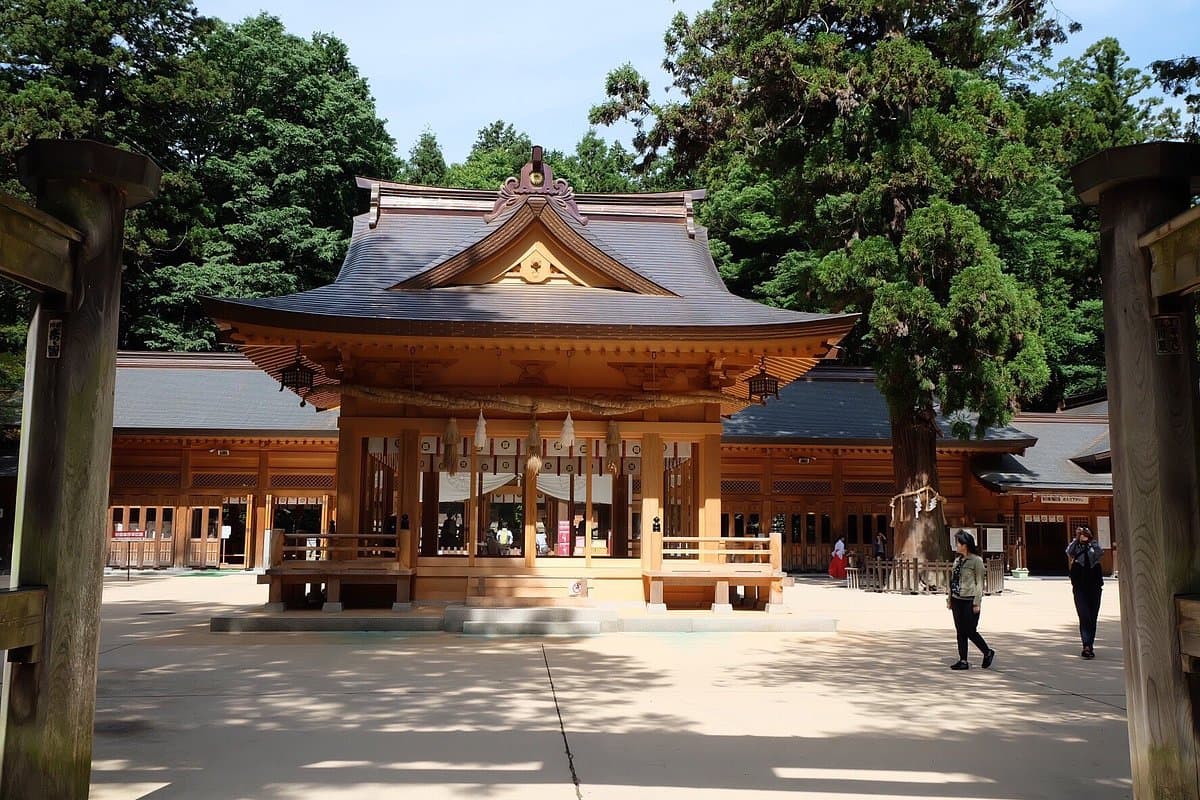
Hotaka Shrine is an ancient and historically significant Shinto shrine, deeply intertwined with the spiritual protection of the Japanese Northern Alps. It is considered the "sochinju" (guardian shrine) of the Japanese Alps, with its main deity revered by hikers seeking safety during their mountain journeys. The shrine's history dates back to the early Heian period, making it a profound site for understanding regional culture and religious practices.
Visitors consistently praise the shrine for its peaceful and calm atmosphere, offering a tranquil retreat from daily life. Many appreciate the historical elements, including an old Nogaku stage, which adds to the cultural richness. Reviewers frequently highlight the clear signage explaining prayer rituals, making it accessible even for those unfamiliar with Shinto customs. The shrine's spacious grounds and surrounding tall trees also contribute to a pleasant and contemplative experience.
To make the most of your visit, allocate about 1-2 hours to explore the grounds leisurely. The best time to visit is during the morning or late afternoon to avoid potential crowds, though some visitors have noted it can be busy during festivals. Bringing comfortable walking shoes is advisable, as you'll be exploring the shrine grounds. While the main shrine is easily accessible, be aware that its inner shrines (Okumiya and Minemiya) are located in more remote, mountainous areas like Kamikochi and the summit of Okuhotakadake, requiring significant hiking and not typically visited by casual tourists.
Hotaka Shrine is exceptionally easy to reach. It is located approximately a 5-minute walk from Hotaka Station. Many visitors mention passing by the shrine directly when traveling from the train station to the Wasabi Farm, making it a convenient stop. Public transport via train is the most recommended method due to its proximity to the station.
While generally a positive experience, some visitors have noted that the shrine can become crowded, especially during local festivals. To mitigate this, checking local event calendars before your visit can help you decide whether to embrace the festive atmosphere or choose a quieter day for a more serene experience. Despite potential crowds, the beauty of the shrine and its surroundings generally remain appreciated.