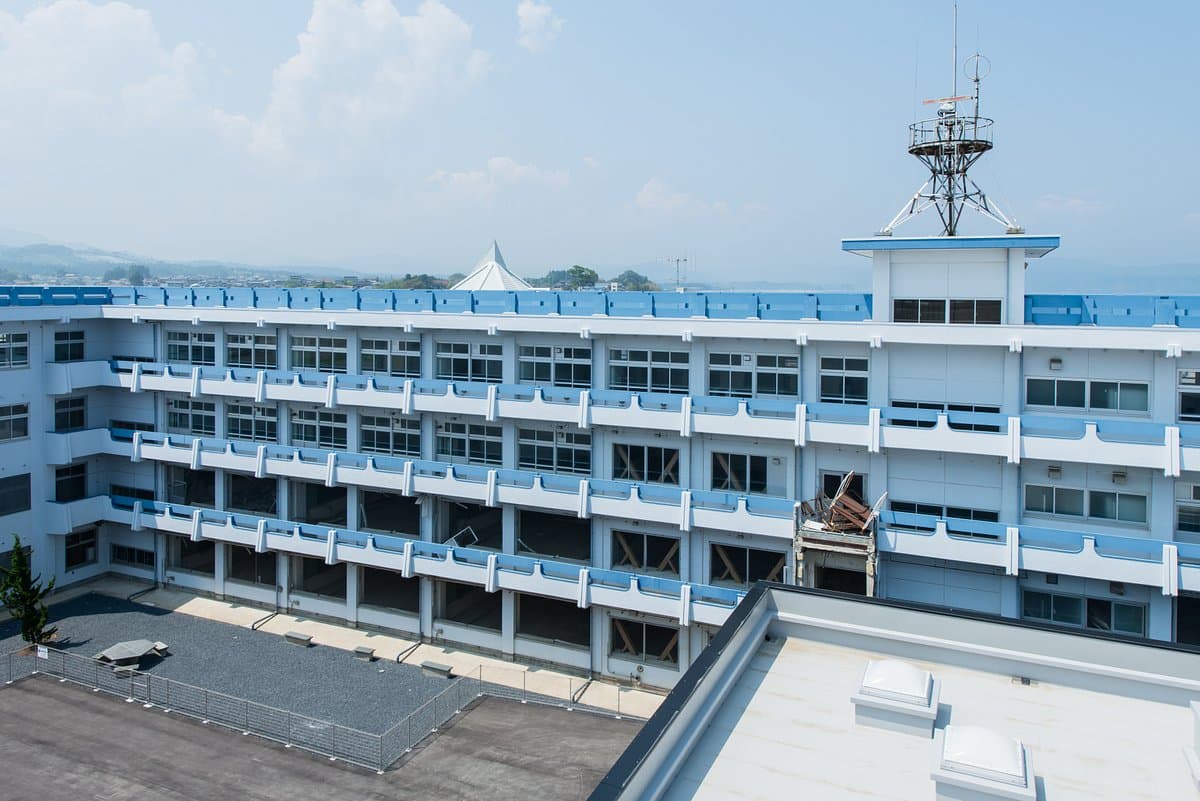
The Ruins of the Great East Japan Earthquake Kesennuma City Memorial Museum is not a typical museum; it is a preserved ruin of Kesennuma Koyo High School, standing as a poignant and raw memorial to the devastating 2011 earthquake and tsunami. This site is crucial for understanding the scale of the disaster and the subsequent recovery efforts, offering a tangible connection to the events that unfolded.
Visitors consistently praise the museum for its profound impact and the respectful way it tells the story. Many describe it as a deeply moving experience, comparable to the Hiroshima Peace Memorial, leaving a lasting impression. The preservation of the high school building itself is highlighted as a marvel of historic preservation and storytelling, allowing visitors to witness the direct aftermath of the tsunami. Reviewers emphasize the importance of taking ample time to absorb the exhibits and recommend watching the subtitled English videos, which provide crucial context and personal accounts.
To make the most of your visit, allocate at least two to three hours to explore the museum slowly and thoughtfully. Several visitors suggest that rushing through diminishes the experience. It is advisable to bring tissues, as the emotional weight of the exhibits can be considerable. There are no specific warnings about what to skip, as all parts contribute to the overall understanding. The best time to visit is during daylight hours to fully appreciate the preserved structure and its surroundings.
The museum is located at 9-1 Hajikamisemukai, Kesennuma. One reviewer mentioned walking from BRT Rikuzen-Hashikami Station, noting that this walk itself became a meaningful part of their experience, as the first sight upon approaching is the rubble of the building. This suggests that public transport via the BRT line is a viable option, with the station being within walking distance. Visitors should be prepared for the visual impact of the ruins even before entering the main museum area.
Common complaints are not explicitly mentioned in reviews, but the emotional intensity of the site is a recurring theme. Visitors should be prepared for a sobering and potentially distressing experience. Mitigate this by allowing yourself time for reflection and by understanding that the museum serves as an important educational and memorial site.