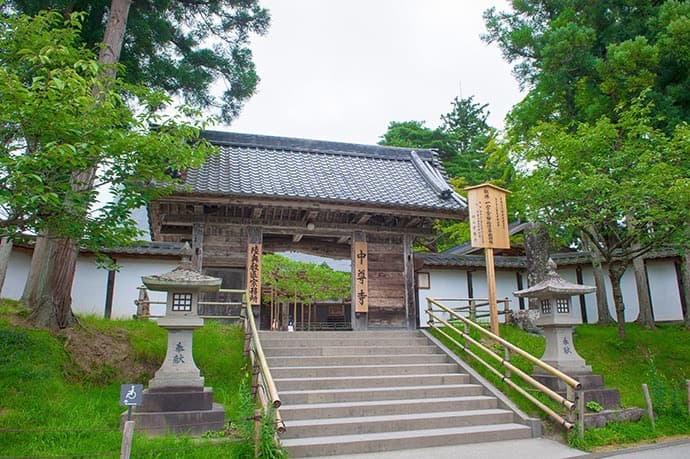
Mōtsū-ji is a historic Tendai Buddhist temple in Hiraizumi, renowned for its exquisite Pure Land garden, which has remained largely unchanged for over 800 years. Founded in 850 by the monk Ennin, the temple complex, though its original buildings were destroyed, offers a profound connection to Japan's ancient past and the principles of Tendai Buddhism, particularly through its meticulously designed garden.
Visitors consistently highlight the garden's exceptional beauty and the profound sense of tranquility it evokes. Many describe it as a peaceful oasis, perfect for quiet contemplation and appreciating traditional Japanese aesthetics. The 'borrowed landscape' technique, where distant mountains and trees are incorporated into the garden's design, is frequently noted as enhancing its expansive feel. Reviewers often recommend taking time to simply sit and absorb the serene atmosphere, emphasizing that the garden itself is the main attraction, overshadowing the rebuilt temple structures.
To fully appreciate Mōtsū-ji, visitors suggest allocating at least 1.5 to 2 hours. The best time to visit is during the spring for cherry blossoms or autumn for vibrant fall foliage, though its beauty is evident year-round. Arriving early in the morning can help avoid crowds and enhance the peaceful experience. Wear comfortable shoes as you'll be walking around the extensive garden paths. Bringing a camera is recommended, but remember to be respectful of the tranquil environment.
Mōtsū-ji is conveniently located about a ten-minute walk from Hiraizumi Station, making it easily accessible by public transport. Follow the signs from the station, and the walk is generally pleasant. For those driving, parking facilities are available, though public transport is often preferred due to the short walking distance from the station.
A common point raised by some visitors is the relatively high admission fee compared to the number of original buildings. However, most agree that the unparalleled beauty and historical significance of the garden justify the cost. To mitigate this, focus your visit primarily on the garden and its design principles, rather than expecting numerous ancient structures, as the garden is the true centerpiece and survivor of centuries.