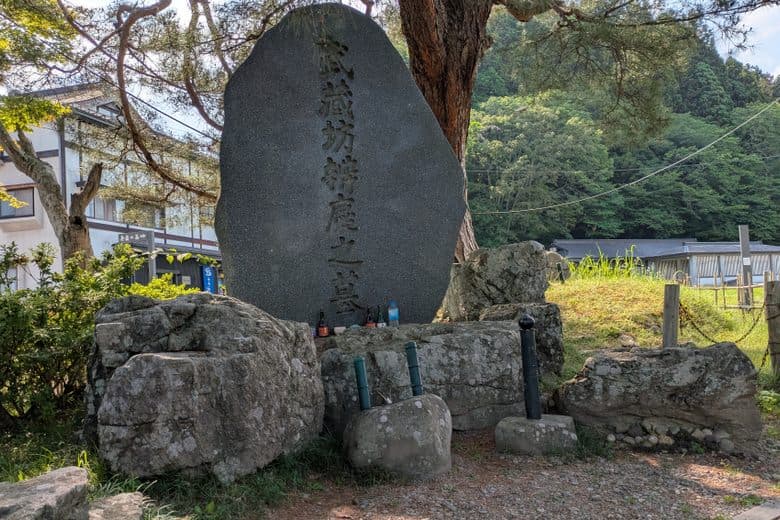
The Grave of Benkei is a modest yet historically significant site, commemorating Musashibō Benkei, a legendary warrior monk celebrated for his unwavering loyalty to Minamoto no Yoshitsune. According to folklore, Benkei met his dramatic 'standing death' at the Battle of Koromo River in 1189, holding off hundreds of enemy soldiers to allow Yoshitsune to commit seppuku. This grave, situated at the foot of the hill leading to the important Chūson-ji temple, serves as a tangible link to one of Japan's most enduring folk heroes, whose story is immortalized in Noh and Kabuki plays and revered at Benkei-dō within the temple complex.
Visitors often appreciate the serene atmosphere and the opportunity to connect with a profound piece of Japanese history and legend. While not a grand monument, its significance lies in the powerful narrative it represents. Reviewers note that understanding Benkei's story beforehand enhances the experience, transforming a simple grave into a poignant reminder of loyalty and sacrifice. There are no specific warnings from visitors, as the site is generally peaceful and well-maintained.
To fully appreciate the Grave of Benkei, it is recommended to spend about 15-30 minutes here, primarily for contemplation and reading any available informational plaques. The best time to visit is during daylight hours, as it is publicly accessible 24/7. Since it's an outdoor site, comfortable walking shoes are advisable, especially if you plan to explore the wider Chūson-ji complex. There are no specific items to bring, but a camera might be useful for capturing the surrounding natural beauty.
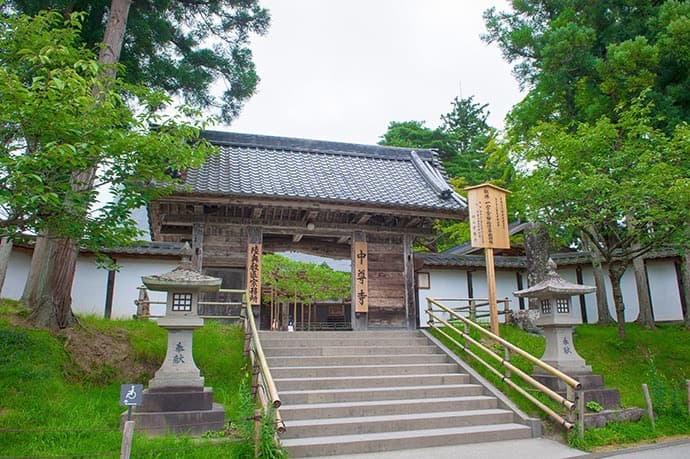
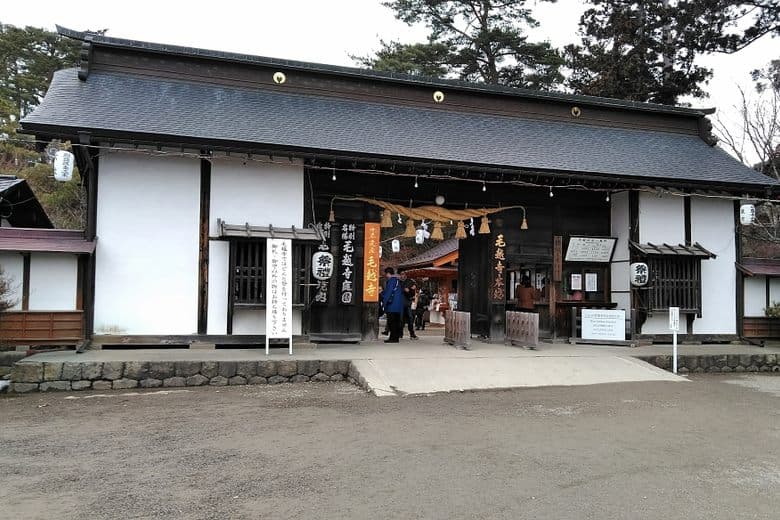
The grave is located near the entrance to the Chūson-ji temple complex in Hiraizumi, Iwate. Hiraizumi is accessible by train; the nearest station is Hiraizumi Station. From there, visitors can typically walk to the Chūson-ji complex, which is about a 20-30 minute walk, or take a local bus. The grave itself is easily found along the main approach (Sandō) to the temple. Parking is available for those driving to Chūson-ji.
Common complaints are rare, but some visitors might find the grave itself to be less visually impressive than other historical sites, especially without prior knowledge of Benkei's story. To mitigate this, it is highly recommended to read up on Musashibō Benkei and Minamoto no Yoshitsune before your visit to fully grasp the historical and cultural weight of the site.