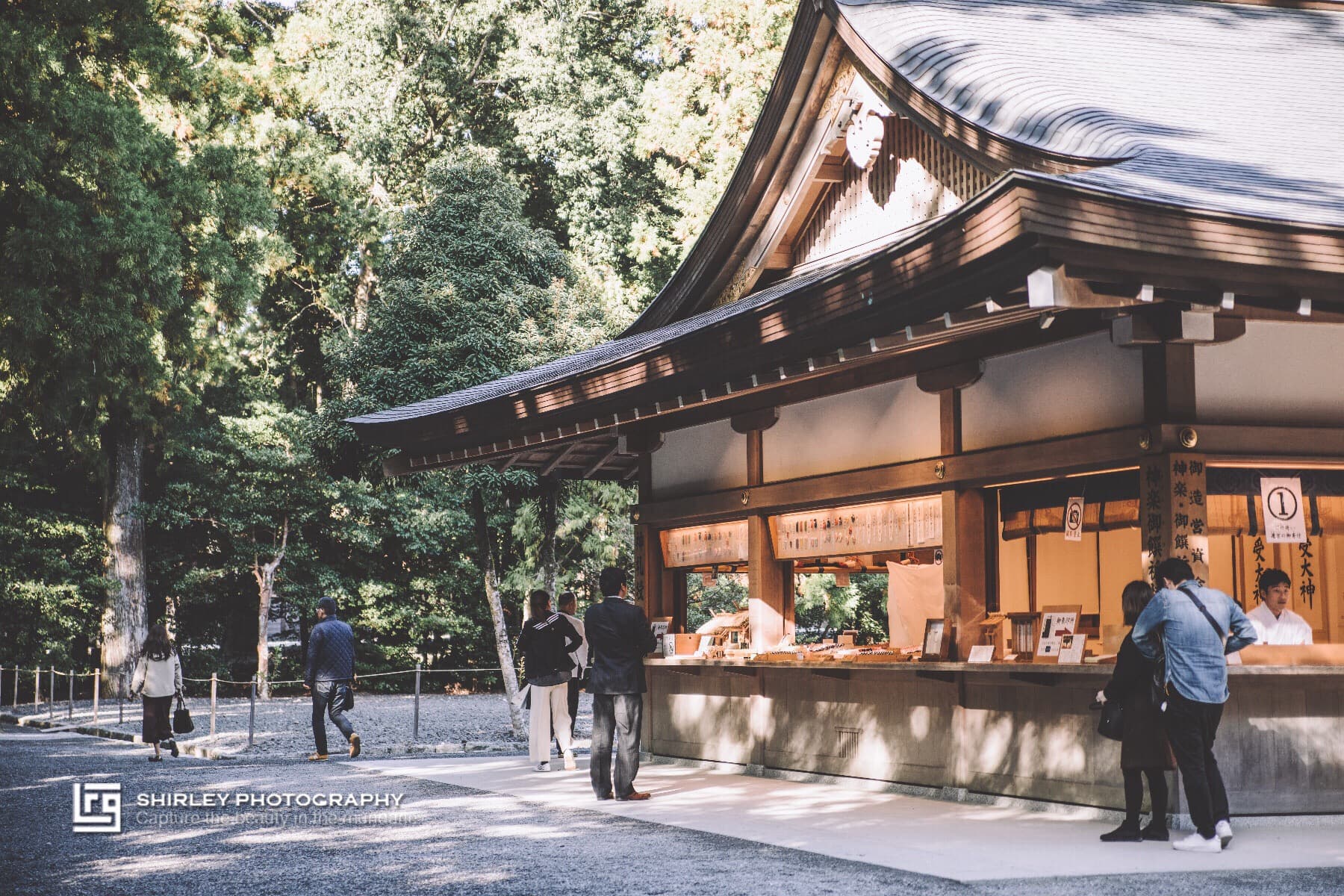
Toyouke Daijingu, commonly known as Ise Jingu Geku or the Outer Sanctuary, is a profoundly significant Shinto shrine in Japan. It is dedicated to Toyouke Omikami, the deity of food, clothing, and housing, and serves as the traditional first stop for pilgrims visiting the larger Ise Grand Shrine complex. Its importance lies not only in its spiritual role but also in its representation of ancient Japanese architectural styles and its deep historical roots as one of the oldest and most revered shrines in the country.
Visitors consistently praise the shrine's serene and beautiful natural environment, noting the calming atmosphere created by the surrounding lush trees and green mountains. Many reviewers highlight the sense of peace and reverence experienced within the grounds. The traditional Japanese architectural style of the buildings is also frequently admired for its historical authenticity and aesthetic appeal. A key piece of advice from visitors is to approach the Outer Shrine first, as it is considered proper etiquette before proceeding to the Inner Shrine (Naiku).
To make the most of your visit, plan to spend approximately 1 to 2 hours exploring the grounds. Reviewers suggest arriving early in the morning to experience the tranquility before larger crowds gather. Photography is generally not permitted inside the main sanctuary areas, so visitors should be mindful of signage. Comfortable walking shoes are recommended as you will be walking on gravel paths. There are no specific items to bring beyond what you would normally carry for a day of sightseeing.
Getting to Toyouke Daijingu is straightforward. Several reviewers note that the shrine is conveniently located just a few hundred meters from Ise JR Station, making it easily accessible by train. Upon exiting Ise JR Station, visitors can follow the Omotesando (main approach) directly to the shrine. This close proximity to public transport means that driving is not necessary, and parking information is less critical for most visitors.
While there are few complaints, some visitors might find the experience less visually spectacular than other Japanese temples or shrines due to the emphasis on natural beauty and traditional, unadorned architecture. To mitigate this, approach the visit with an appreciation for the spiritual significance and the subtle beauty of the natural setting rather than expecting grand, ornate structures. Understanding its role as a sacred site rather than a mere tourist attraction enhances the experience.
