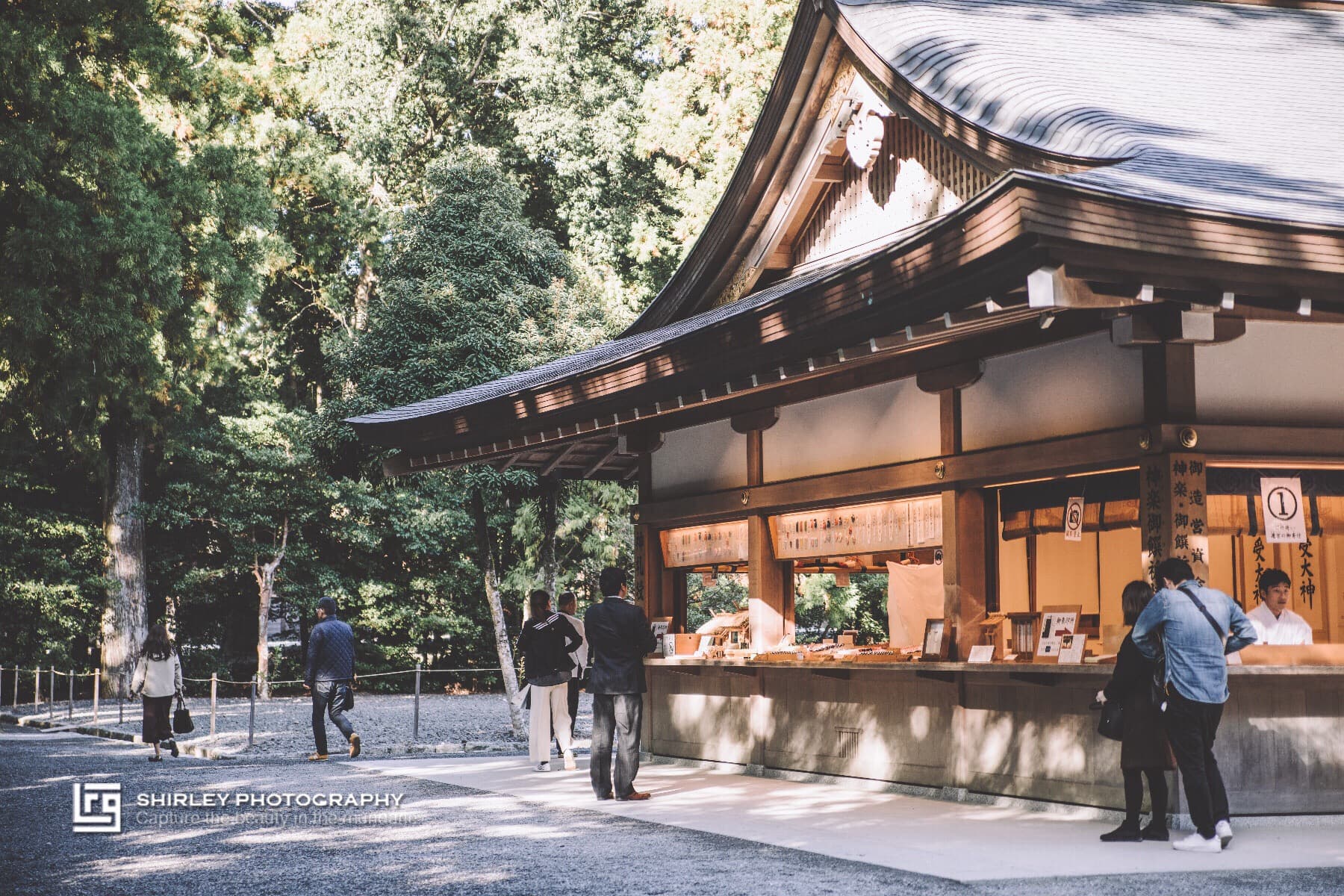
Ise Shrine Geku, also known as Toyouke Daijingu, is the Outer Shrine of the Ise Jingu complex, one of Japan's most sacred Shinto sites. It is dedicated to Toyouke-Ōmikami, the deity responsible for food, clothing, and shelter, and plays a crucial role in the spiritual traditions of Japan. The shrine's significance is underscored by its 1300-year-old tradition of Shikinen Sengu, where the main shrine buildings are completely rebuilt every 20 years on an adjacent site, ensuring their perpetual purity and freshness while preserving ancient architectural styles.
Visitors consistently praise the Geku for its solemn and serene atmosphere, often noting the peaceful walk through ancient cedar trees. Many appreciate the less crowded environment compared to the Naiku, allowing for a more contemplative experience. The traditional architecture, rebuilt without nails, is a highlight, with reviewers often mentioning the beauty of the thatched roofs and the sense of history. The practice of visiting Geku before Naiku is frequently emphasized by Japanese visitors and guidebooks, as it's considered the proper order for worship.
To make the most of your visit, arrive early in the morning, ideally around 7 AM, to experience the shrine in quiet solitude before the crowds. Many reviewers highlight the fresh air and stern atmosphere at this time. Plan to spend about 1 to 1.5 hours exploring the grounds, which include the main shrine and several auxiliary shrines like Taganomiya, Tsuchimiya, and Kazenomiya. While the main shrine buildings are largely obscured by fences, the overall experience of walking through the sacred forest and observing the traditional architecture is highly valued. Consider picking up an English brochure at the tourist information center to understand the significance of the various structures.
Ise Shrine Geku is conveniently located about a 5-10 minute walk from JR and Kintetsu Iseshi Stations. The approach from the station is straightforward, making it easily accessible for those arriving by train. For those planning to visit both Geku and Naiku, a bus ride of approximately 15-20 minutes connects the two shrines. Reviewers recommend getting a bus pass if you plan to use public transport extensively in the area. Free parking is available for those driving, which is a significant advantage.
A common complaint among some foreign visitors is the lack of English signage and the inability to see inside the main shrine buildings, which are intentionally kept private. To mitigate this, consider utilizing the free tour guide service offered at the Ise City Tourist Information Center, located across from the Geku entrance, if you are a Japanese speaker or if an English-speaking guide is available. Even without detailed explanations, the natural beauty and spiritual ambiance are widely appreciated, making it a worthwhile visit for those seeking a tranquil cultural experience.