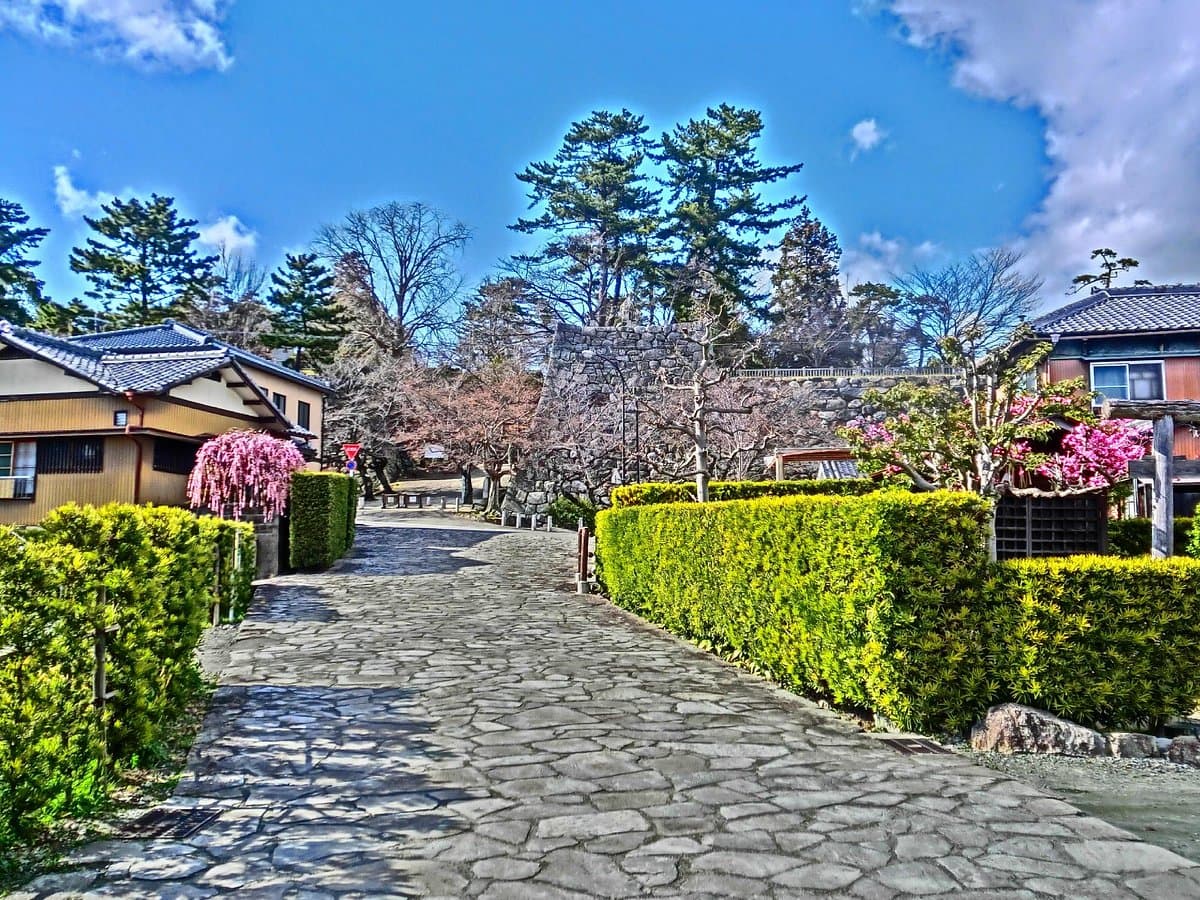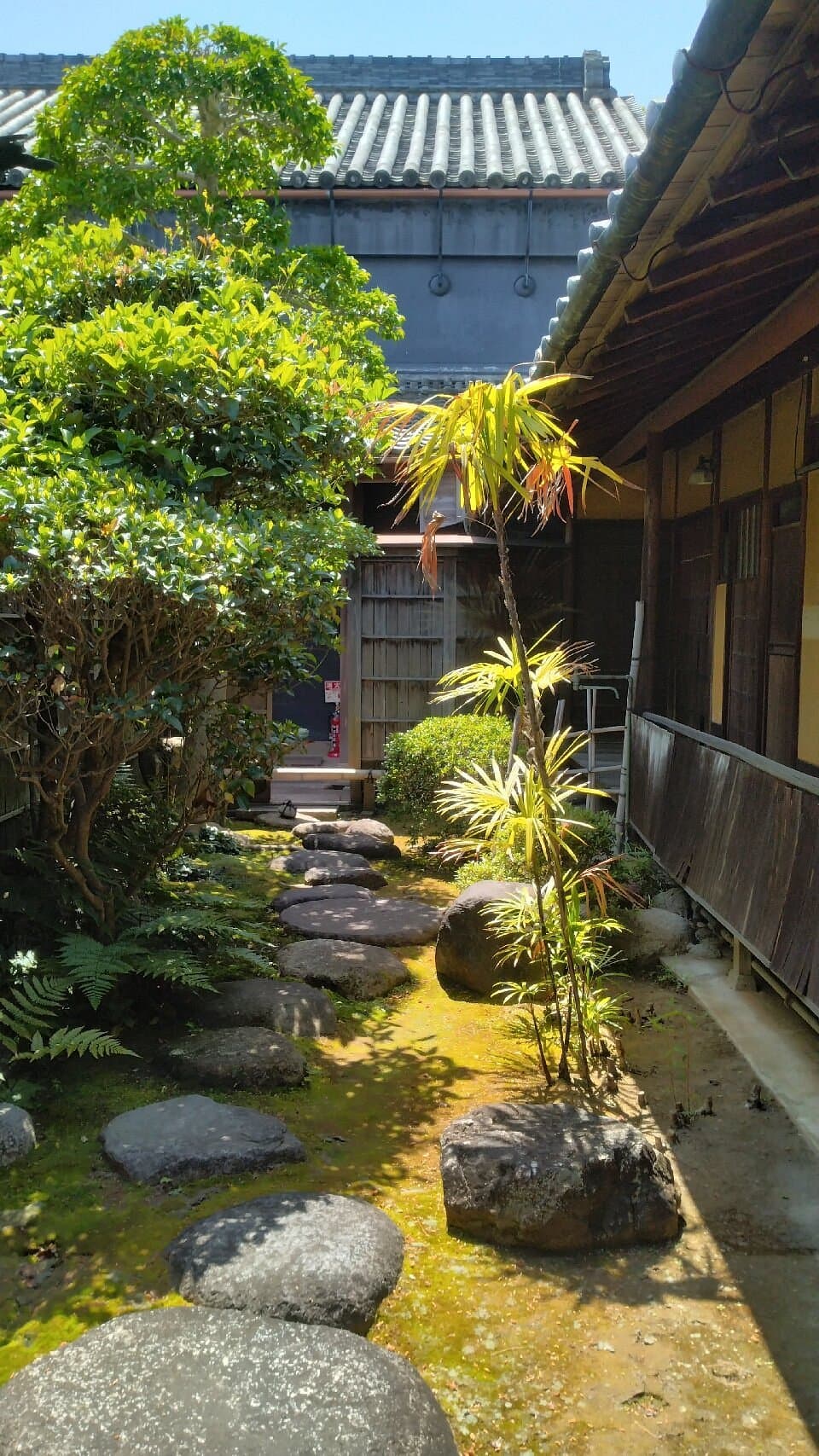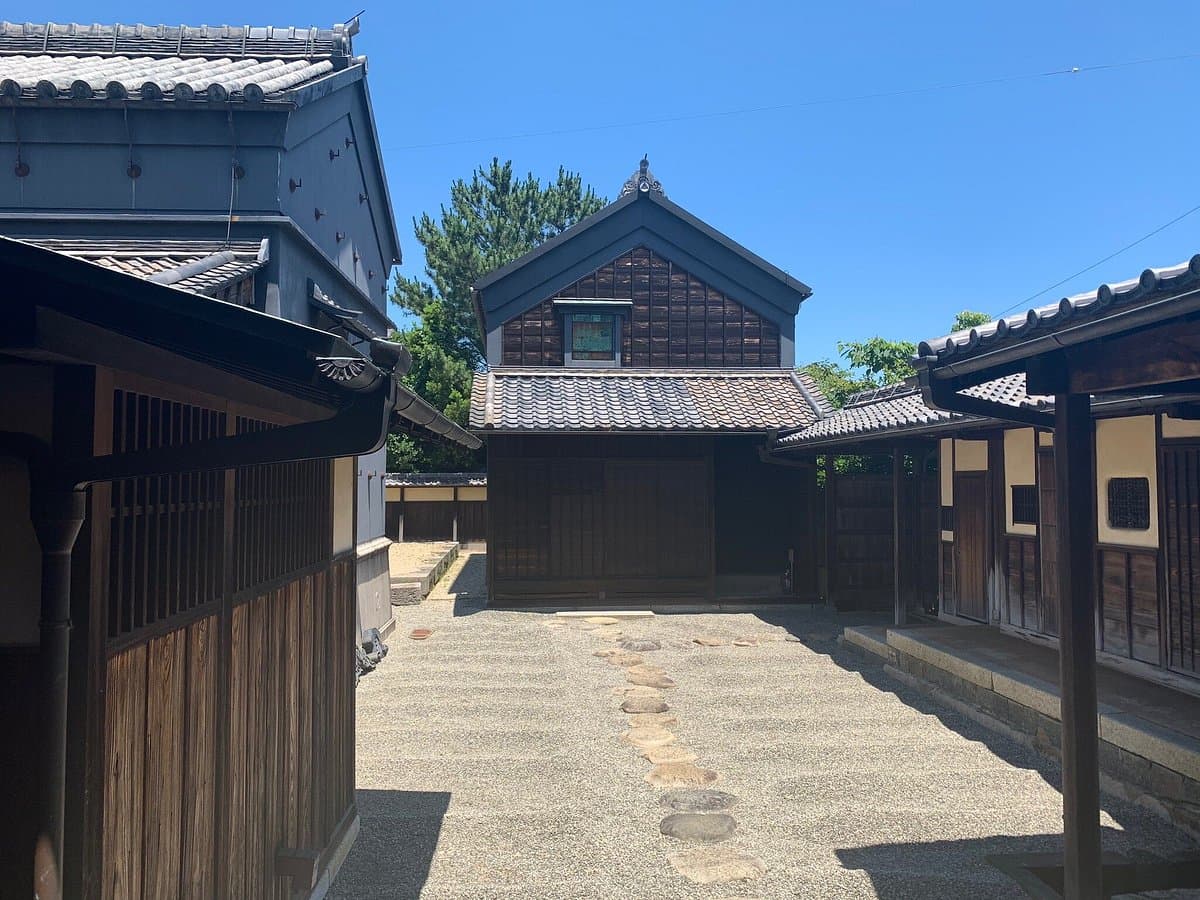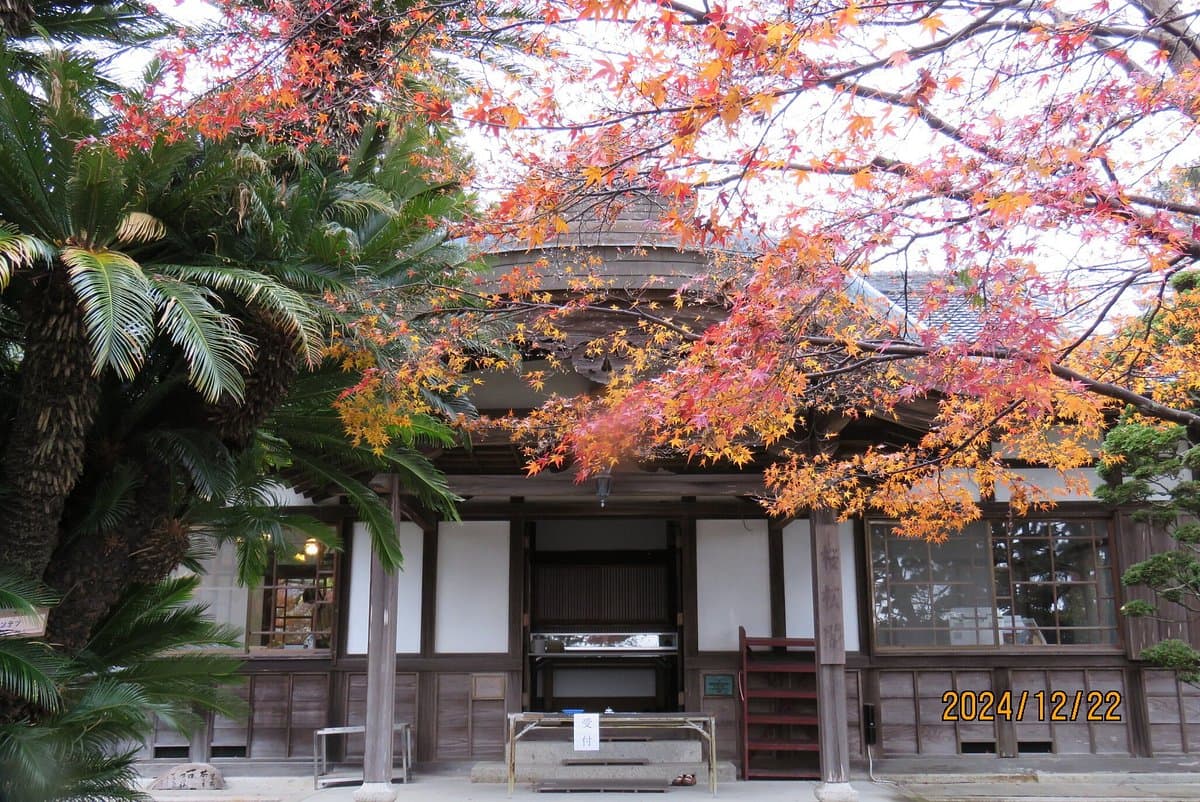
The Museum of Motoori Norinaga is dedicated to preserving and showcasing the legacy of Motoori Norinaga (1730-1801), a prominent scholar of Kokugaku (National Learning) during Japan's Edo period. He is renowned for his extensive research and commentary on ancient Japanese texts, most notably the Kojiki, an early chronicle of myths, legends, and history. The museum, located next to his former residence, houses a significant collection of his personal effects, manuscripts, and research materials, offering a comprehensive look at his intellectual journey and cultural impact.
Visitors consistently praise the museum for its detailed exhibits that illuminate Norinaga's life and scholarly pursuits. Reviewers highlight the extensive collection of approximately 16,000 items, including the famous "Bell of Received Items." While photography is generally restricted for many artifacts, the sheer volume and historical significance of the collection are often noted. Some visitors appreciate the opportunity to learn about a less commonly known but highly influential figure in Japanese intellectual history, finding the exhibits informative despite potential language barriers for non-Japanese speakers.
For a meaningful visit, it is recommended to allocate about 1 to 2 hours. The museum can be particularly refreshing during hot weather, as it offers air-conditioned spaces, providing a comfortable break from the outdoors. While some exhibits might be challenging to fully grasp without a strong background in Japanese history or language, the visual displays and the atmosphere of scholarly dedication are still appreciable. Consider bringing a small notebook if you wish to jot down details, as photography is limited.
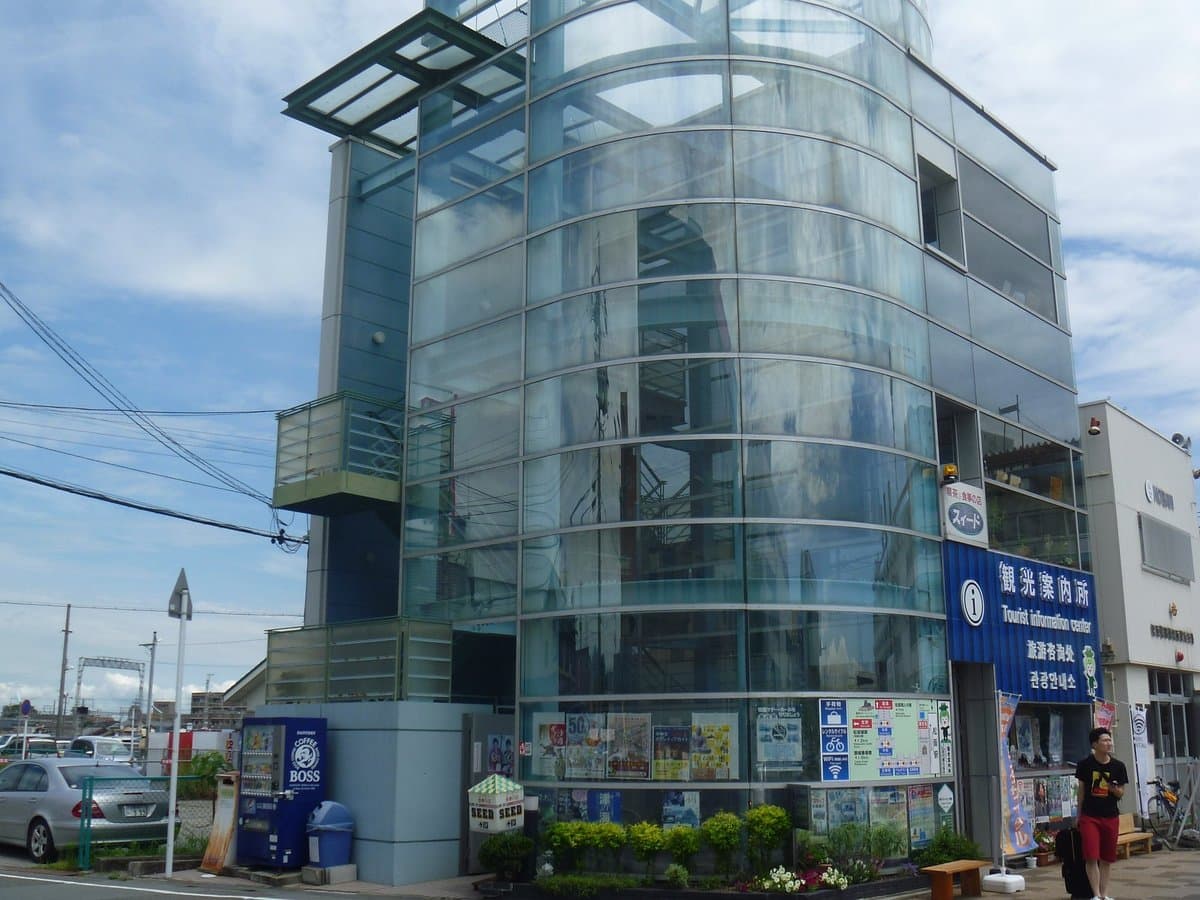
The museum is conveniently located next to Motoori Norinaga's former house. Reviewers mention that parking is available on-site, which is helpful for those traveling by car. For those using public transport, the museum is accessible from Matsusaka Station. Some visitors noted that finding the exact entrance or navigating the immediate area on foot could be a bit confusing, so having a map or using GPS is advisable. The museum is situated at 1536-7 Tonomachi, Matsusaka, Mie Prefecture.
A common complaint among some visitors is the difficulty in fully understanding the exhibits without sufficient Japanese language proficiency, as detailed explanations in English may be limited. To mitigate this, consider researching Motoori Norinaga's life and work beforehand, or utilizing translation apps on your smartphone for key texts. The focus on ancient Japanese documents means the content can be quite specialized, so managing expectations regarding accessibility for a general international audience is key.